







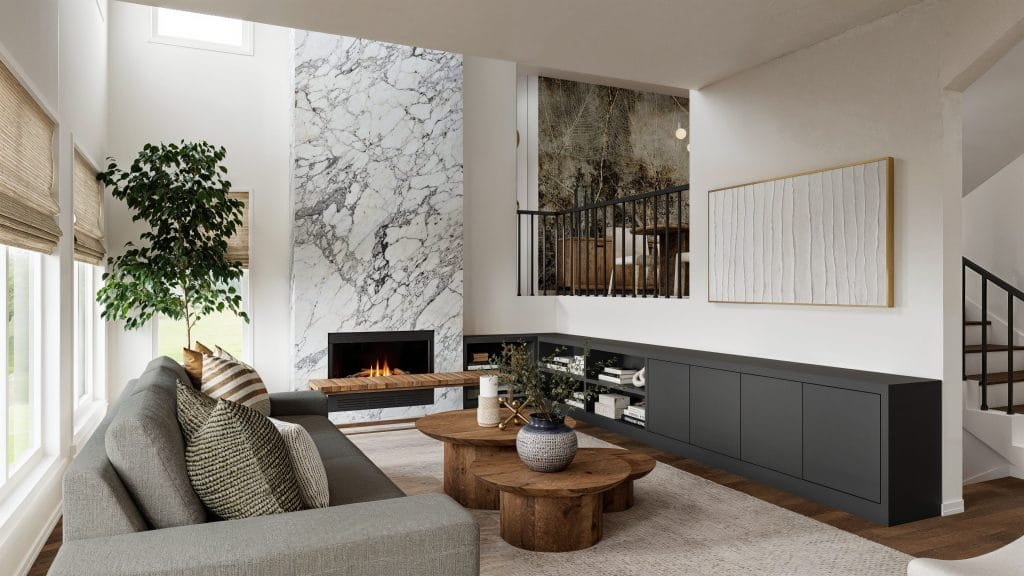
Sustainable house décor is no longer a niche trend—it has become a thoughtful lifestyle choice for homeowners who want beautiful spaces without compromising the environment. As awareness grows around climate change and responsible living, more people are rethinking how they design and decorate their homes. Sustainable décor focuses on mindful material choices, long-lasting design, and reducing waste, all while maintaining style and comfort.
One of the core principles of sustainable house décor is choosing quality over quantity. Instead of frequently replacing inexpensive furniture, investing in well-crafted, durable pieces reduces long-term waste. Furniture made from solid wood, recycled materials, or responsibly sourced components tends to last longer and age gracefully. Timeless designs also ensure that pieces remain relevant even as trends change.

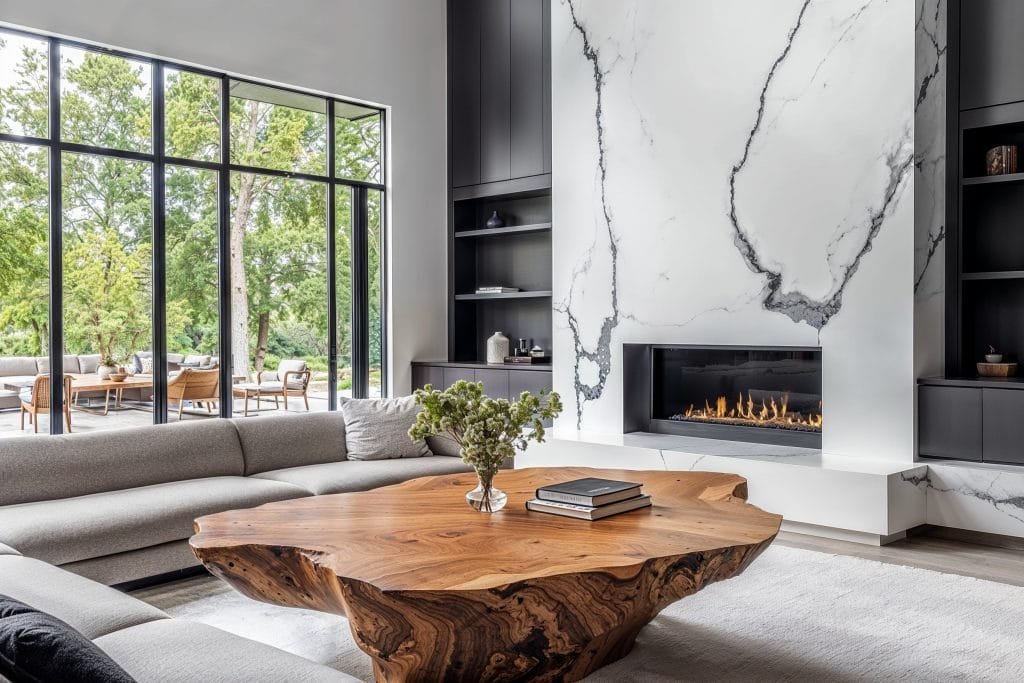
Material selection plays a crucial role in eco-friendly décor. Natural and renewable materials such as bamboo, cork, rattan, jute, and organic cotton are popular sustainable choices. These materials have a lower environmental impact and add warmth and texture to interiors. Reclaimed wood and recycled metal are also excellent options, offering character and uniqueness while reducing the need for new resources.
Textiles are another important area to consider. Sustainable décor emphasizes eco-conscious fabrics like linen, hemp, wool, and organic cotton. These materials are breathable, durable, and often produced with fewer chemicals. Choosing neutral or earthy tones for curtains, cushions, and upholstery creates a calming environment and makes it easier to mix and match over time.
Lighting choices can significantly impact both sustainability and atmosphere. Energy-efficient LED bulbs consume less electricity and last much longer than traditional bulbs, reducing energy use and waste. Maximizing natural light through light-colored walls, mirrors, and minimal window coverings further enhances sustainability while making spaces feel brighter and more open.
Upcycling and repurposing are central to sustainable house décor. Instead of discarding old items, creative reuse gives them a new purpose. Vintage furniture, thrifted décor, or inherited pieces can be refreshed with minor updates such as new upholstery or a coat of paint. These items often bring character and history to a home while preventing unnecessary waste.
Sustainable décor also extends to low-toxicity finishes and paints. Many conventional paints and finishes release harmful chemicals into the air, affecting indoor air quality. Eco-friendly paints with low or zero volatile organic compounds (VOCs) are safer for both residents and the environment. Choosing natural finishes for wood and furniture further supports healthier living spaces.
Indoor plants are a natural complement to sustainable décor. Beyond their visual appeal, plants help improve air quality and create a sense of connection to nature. Incorporating greenery throughout the home—on shelves, floors, and windowsills—adds life and balance to interiors. Pairing plants with natural planters made from clay, ceramic, or recycled materials reinforces the eco-conscious theme.
Minimalism often aligns well with sustainable house décor. A clutter-free space requires fewer items, making it easier to focus on what truly matters. Thoughtful organization, functional furniture, and intentional styling reduce excess consumption while creating calm and orderly environments. This approach supports both mental well-being and environmental responsibility.

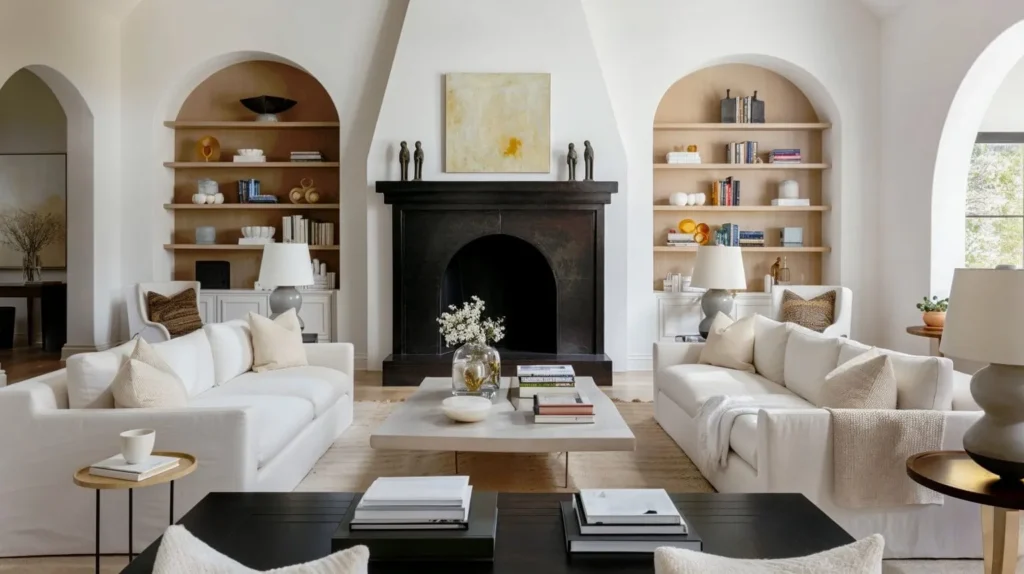
Local and handmade décor items also contribute to sustainability. Supporting local artisans reduces the carbon footprint associated with mass production and shipping. Handmade pieces often showcase craftsmanship and individuality, adding unique character to a home while supporting small businesses and traditional skills.
Sustainable house décor is ultimately about making conscious choices that reflect personal values. It proves that eco-friendly living doesn’t require sacrificing style or comfort. By prioritizing durability, natural materials, and mindful consumption, homeowners can create spaces that are not only beautiful but also respectful of the planet. A sustainably decorated home becomes a reflection of thoughtful living—where design and responsibility coexist in harmony.


