







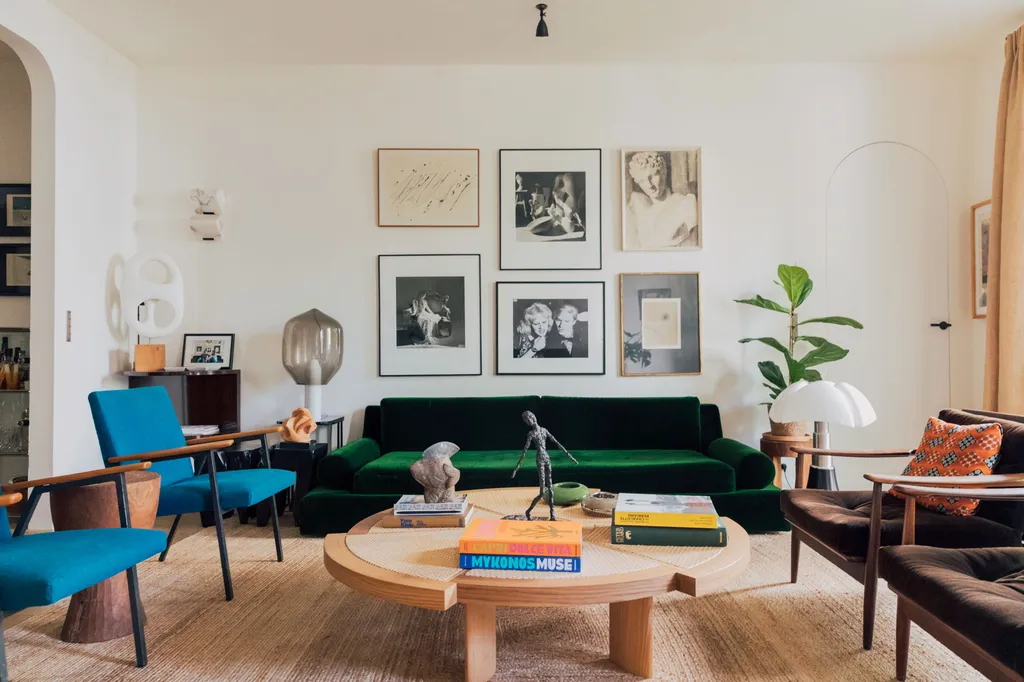
In a world filled with constant noise, fast trends, and overflowing spaces, the idea of a calm, curated home feels more appealing than ever. Thoughtful decorating is not about perfection or expensive pieces—it’s about intention. Moving from cluttered to curated means choosing what truly belongs in your space and letting go of what doesn’t. The result is a home that feels balanced, personal, and quietly beautiful.
Clutter often builds without us noticing. Decorative items collected over time, furniture chosen for convenience, and impulse purchases can slowly overwhelm a room. While each item may hold some value, together they can create visual noise. A curated space, on the other hand, feels breathable. It allows the eye to rest and the mind to relax. The goal isn’t emptiness, but clarity.


Thoughtful decorating begins with awareness. Instead of asking how to fill a room, the better question is why something deserves to be there. Every object should serve a purpose—functional, emotional, or aesthetic. This mindset shifts decorating from accumulation to selection. When each piece has meaning, the space begins to tell a story rather than compete for attention.
One of the most powerful steps in this process is editing. Removing excess doesn’t mean losing personality; it often reveals it. By clearing surfaces and reducing visual clutter, the pieces that remain gain importance. A single artwork can speak louder than a crowded gallery wall. A well-chosen chair can stand out more than a room full of mismatched furniture. Editing creates focus and balance.
A curated home also values quality over quantity. Thoughtful decorating encourages investing in fewer, better pieces—items that age well and feel timeless. Natural materials, well-made furniture, and objects with texture and craftsmanship bring depth without overwhelming the space. These elements create warmth and character that trends alone cannot achieve.
Color plays an important role in moving toward a curated look. Instead of multiple competing shades, thoughtful homes often rely on a restrained palette. This doesn’t mean boring or neutral-only spaces. It means choosing colors that complement each other and repeating them intentionally throughout the home. Consistency creates flow, making spaces feel connected and harmonious.
Another key element is negative space—the areas left intentionally empty. Empty space is not wasted space. It gives shape to the room and highlights what’s present. A curated home understands the power of pause. Just as silence enhances music, space enhances design. Allowing room to breathe makes a home feel calm and considered.
Personal objects still have a place in thoughtful decorating, but they are displayed with care. Instead of showcasing everything, curated homes highlight a few meaningful items—travel finds, heirlooms, or handmade pieces. These objects carry stories and emotion, making the space feel authentic rather than styled for appearance alone.
Lighting also contributes to the curated feeling. Soft, layered lighting adds warmth and depth, reducing harsh contrasts. Lamps, natural light, and gentle shadows create an inviting atmosphere that complements a simplified design. Lighting becomes part of the décor, not just a functional necessity.


The shift from cluttered to curated is as much emotional as it is visual. Letting go of excess can feel challenging, but it often brings relief. A thoughtfully decorated home supports daily life instead of distracting from it. It becomes a place to rest, reflect, and reconnect.
Ultimately, thoughtful decorating is about alignment—between space and lifestyle, objects and values. A curated home doesn’t follow every trend; it reflects intentional choices made over time. It evolves slowly, guided by purpose rather than impulse. In choosing less but better, the home transforms into something truly meaningful: a space that feels like it belongs to you.


