








For years, technology has centered around efficiency—faster processors, bigger screens, sharper cameras. But a quiet shift is underway, one that is redefining what innovation feels like in daily life. Instead of simply doing tasks better, the next generation of tools is learning to think with us. This shift is called Adaptive Intelligence, and it’s transforming how we interact with apps, devices, and digital environments. Unlike traditional AI, which reacts to input, adaptive intelligence anticipates, adjusts, and evolves based on personal behavior, emotional context, and environmental patterns.
What Makes Adaptive Intelligence Different?
Artificial intelligence has long been capable of recognizing faces, organizing photos, or predicting words. Adaptive intelligence goes further: it personalizes itself to each user. It learns your routines, notices subtle preferences, identifies patterns in your decisions, and refines the experience constantly.

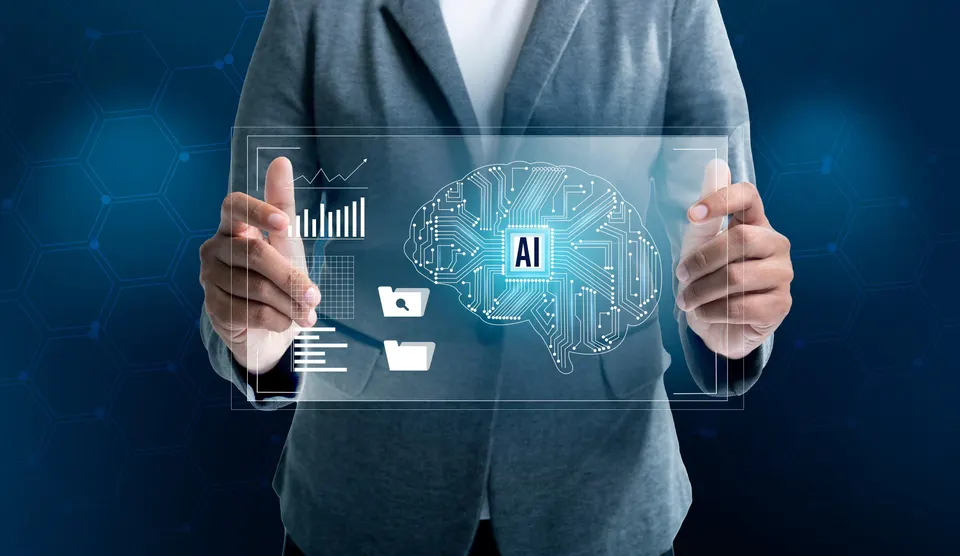
A fitness app no longer just counts your steps—it adapts workouts to your energy levels and recommends recovery days based on your sleep. A productivity tool doesn’t just store your notes—it reshapes your workflow based on how your brain processes tasks. A smart home system doesn’t simply adjust the thermostat—it modulates lighting, sound, and temperature based on your stress indicators.
These experiences feel less like operating a device and more like interacting with a partner who quietly understands you.
The Rise of Emotion-Aware Devices
One of the most fascinating developments in adaptive intelligence is emotion-aware technology. Devices can now interpret emotional cues through micro-expressions, voice tone, typing rhythm, or even changes in posture. This doesn’t mean machines can “feel,” but they can detect and respond to emotional patterns.
Imagine a laptop that dims notifications during moments of stress, or a smartwatch that notices rising tension and prompts a calming micro-break. Some headphones now adjust audio frequencies depending on your mood, creating a more personalized listening environment.
This emotion-aware layer brings humanity into tech experiences, making them more compassionate and responsive.
Adaptive Workspaces: The Future of Productivity
Remote work accelerated the demand for tech that adapts to individual working styles. Instead of forcing everyone into the same productivity system, adaptive tools customize themselves:
- Smart calendars analyze your focus patterns and schedule your toughest tasks during peak energy hours.
- Email assistants recognize which messages you prioritize and rearrange your inbox accordingly.
- Virtual meeting software adapts lighting and background effects based on facial clarity and room conditions.
This evolution moves digital workspaces from passive platforms to active collaborators.
AI That Learns in Real Time
Traditional AI models require large-scale retraining to improve. Adaptive intelligence, however, learns continuously. Your behavior—even subtle changes—feeds real-time adjustments.
For example:
- A language app shifts lessons depending on which mistakes you repeat.
- A budgeting tool modifies financial tips based on your current spending mood.
- Health wearables adjust daily goals based on your progress, stress levels, or menstrual cycle.
This ongoing refinement creates ultra-personalized experiences that feel alive and aligned with your rhythm.
Hyper-Personalized Home Ecosystems
Smart homes are evolving from “connected” to “intuitive.” Home systems powered by adaptive intelligence can now interpret environmental cues:
- Lights brighten gradually if the home senses morning sluggishness.
- Kitchens suggest recipes based on dietary history and what’s about to expire.
- Air purifiers automatically shift modes depending on allergens or CO₂ levels.
Your home becomes a living ecosystem that learns from how you live, not just what you tell it to do.
The Ethical Balance
As exciting as adaptive intelligence is, it introduces important questions around privacy and consent. Devices that understand personal patterns must protect them with equal intelligence. Transparent settings, clear data boundaries, and user-first design are essential as adaptive tech becomes more widespread.

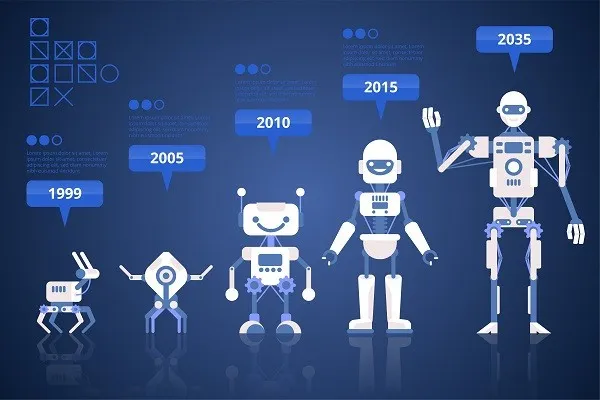
The goal is balance: technology that helps without intruding, learns without overstepping, and supports without overshadowing human decision-making.
A Future Where Tech Feels Human
Adaptive intelligence marks the beginning of a new era—one where technology isn’t simply a tool but a dynamic companion. It enhances decision-making, eases stress, boosts efficiency, and enriches daily routines without demanding extra effort.
Instead of living around technology, we’re entering a future where technology lives around us—softly adjusting, evolving, and adapting to the way we think, feel, and grow.


