










The gaming industry has evolved faster than nearly any other entertainment medium, transforming from a niche hobby into a global cultural force. Today, gaming is not just about playing—it’s about connecting, creating, competing, and even earning. As technology accelerates and player expectations rise, a new era of gaming is emerging—one defined by immersive experiences, community-driven content, and powerful innovations. Here’s a look at the key trends shaping the future of gaming in 2025 and beyond.
1. Cloud Gaming Takes the Spotlight
Gone are the days when high-end gaming required expensive consoles or top-tier PCs. Cloud gaming platforms like NVIDIA GeForce Now, Xbox Cloud Gaming, and Amazon Luna are changing the rules. By streaming games directly from the cloud, players can enjoy AAA titles on almost any device—laptops, tablets, or even smartphones—without worrying about hardware limitations.

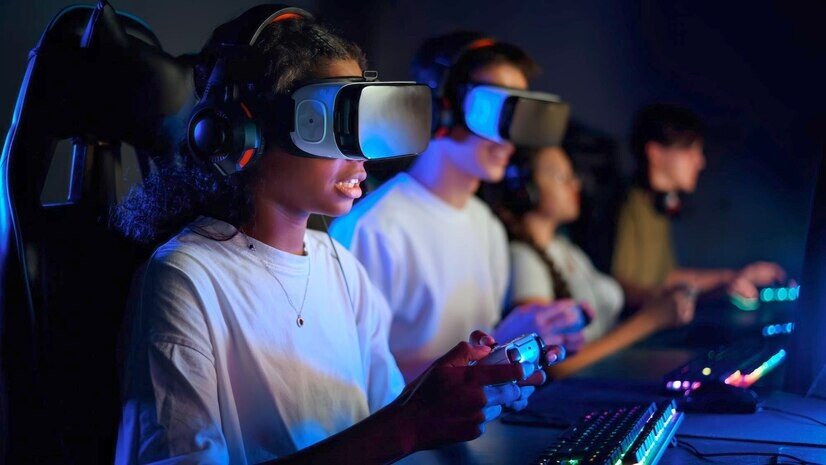
This shift democratizes access to gaming, allowing more people worldwide to experience cutting-edge titles without breaking the bank. As internet infrastructure improves and 5G becomes more widespread, cloud gaming is poised to become as common as watching Netflix—instant, seamless, and subscription-based.
2. AI in Game Development and Player Interaction
Artificial Intelligence (AI) is rapidly reshaping the gaming landscape. Developers are using AI to create smarter non-playable characters (NPCs) that react dynamically to players’ decisions, making game worlds feel more alive than ever. AI-driven tools are also speeding up game design, automating repetitive tasks like environment generation, testing, and even voice acting.
On the player side, AI is enabling personalized gaming experiences. Imagine a role-playing game that adjusts its storylines and challenges based on your play style or emotional state. We’re moving toward a future where every player’s journey feels unique—crafted in real-time by intelligent systems.
3. The Rise of Cross-Platform and Social Gaming
Gaming has always been a social experience, but the barriers between platforms are finally breaking down. Cross-play and cross-progression are now standard in major titles like Fortnite, Call of Duty: Warzone, and Genshin Impact, allowing friends to team up regardless of device.
Social integration is also deepening through in-game events, voice chat, and community hubs. Platforms such as Discord and Twitch have transformed gaming from a pastime into a shared culture, where millions tune in daily to watch, chat, and compete. The line between gaming and social networking continues to blur, giving rise to what some call the “metasocial” era of gaming.
4. Virtual Reality (VR) and Augmented Reality (AR) Get Real
After years of slow progress, VR and AR gaming are finally hitting their stride. New headsets like Meta Quest 3, Apple Vision Pro, and PlayStation VR2 are delivering higher resolution, lighter designs, and more intuitive interfaces. Games like Half-Life: Alyx and Beat Saber have proven that immersive, physically engaging gameplay is here to stay.
Meanwhile, augmented reality is expanding gaming into the real world. Following the massive success of Pokémon GO, developers are experimenting with AR adventures that turn city streets, parks, and even homes into interactive playgrounds. The boundary between digital and physical worlds is fading fast—and players are stepping directly into the action.
5. The New Frontier: Game Streaming and Content Creation
Gaming is no longer limited to players—viewers are a huge part of the ecosystem. Platforms like YouTube Gaming, Kick, and Twitch are thriving as creators turn gameplay into entertainment, commentary, and even full-time careers. Streamers influence gaming trends, shape communities, and act as modern-day celebrities.
Game developers are recognizing this power, adding built-in streaming features and “creator-friendly” modes to support the content economy. Expect to see more collaboration between studios and influencers, as marketing and entertainment merge into one continuous experience.
6. Indie Games and Creative Freedom
While big studios dominate headlines, independent developers are fueling innovation. Tools like Unity, Unreal Engine, and Godot have made game development more accessible than ever, empowering small teams to build stunning, story-rich experiences. Games like Hades, Celeste, and Stardew Valley proved that heart, creativity, and storytelling often outshine big budgets.
In 2025, indie games are enjoying a renaissance. Digital marketplaces and subscription services have given these titles greater visibility, while players are increasingly drawn to fresh ideas and emotional depth that contrast with blockbuster franchises.
7. Gaming as a Lifestyle and Career
Gaming is no longer a hobby—it’s a culture and a career path. Esports has grown into a billion-dollar industry with international tournaments, sponsorships, and professional athletes. At the same time, casual gamers are earning through in-game economies, digital collectibles, and user-generated content platforms.

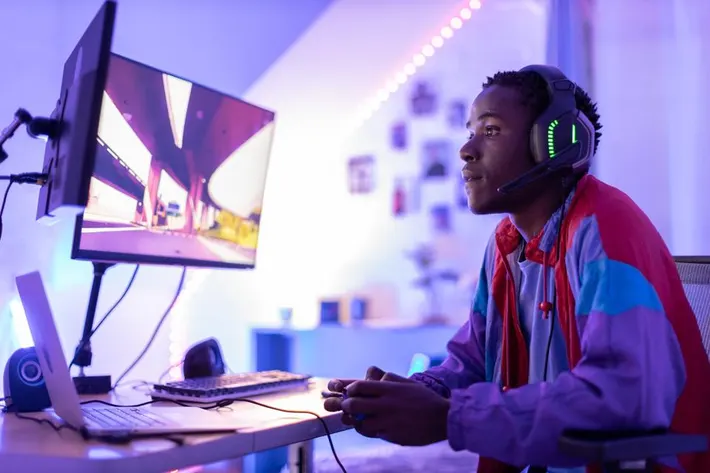
From fashion collaborations and gaming cafés to university esports scholarships, gaming has expanded far beyond the screen. It’s influencing art, music, fitness, and even education, redefining what it means to “play.”
A New Era of Interactive Entertainment
The next generation of gaming is about connection, immersion, and creativity. Whether through cloud-powered worlds, AI-driven adventures, or social metaverses, the boundaries between players and creators are dissolving.
Gaming is no longer an escape from reality—it’s a new way to experience it. And as technology continues to evolve, one thing remains certain: the world of gaming will keep surprising us, inviting everyone—casual or hardcore—to press “Start” on the next great adventure.


