







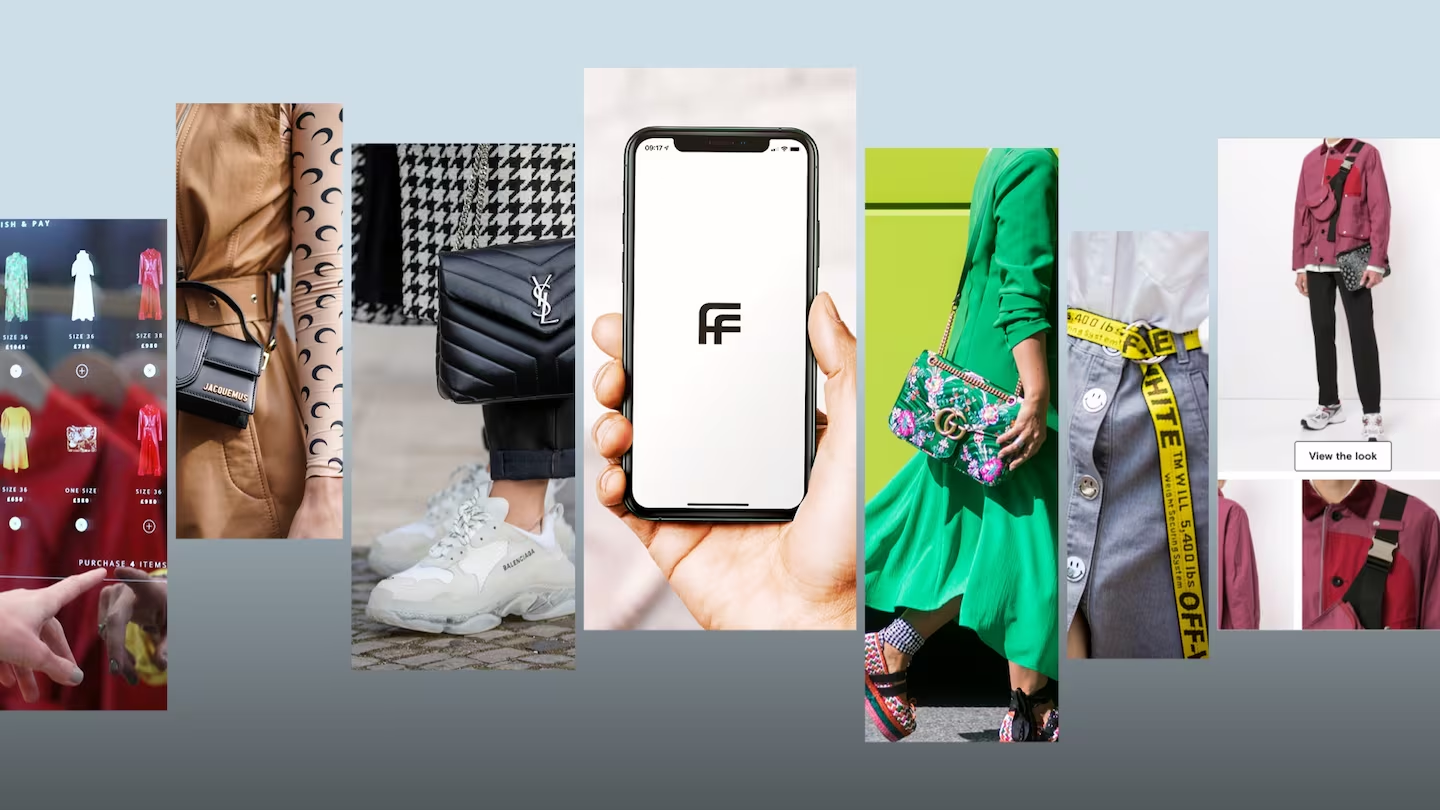
In an era where technology and fashion are becoming increasingly intertwined, Farfetch stands as a shining example of how luxury retail can thrive in the digital world. Founded in 2007 by Portuguese entrepreneur José Neves, Farfetch began with a bold mission—to connect discerning shoppers with the world’s most exclusive boutiques and designers through a single online platform. Nearly two decades later, it has become one of the most influential players in global luxury fashion, seamlessly blending heritage, innovation, and sustainability.
The Concept: A Global Marketplace for Luxury
Unlike traditional online stores, Farfetch doesn’t just sell products—it serves as a digital bridge between consumers and over 1,400 luxury boutiques and brands worldwide. From small independent designers in Milan and Paris to high-end labels Farfetch offers access to an unparalleled selection of fashion curated from across the globe.


This innovative model means customers can shop exclusive collections and limited-edition items that may not even be available in their own countries. It also provides smaller boutiques with global exposure, allowing them to reach luxury consumers without sacrificing their unique identity.
Farfetch has effectively digitized the luxury shopping experience, bringing the charm of a European boutique to your smartphone—complete with high-definition imagery, detailed styling guidance, and next-day delivery options to over 190 countries.
A Digital Pioneer in Luxury Retail
When Farfetch launched, many in the luxury industry were skeptical of online shopping for high-end goods. After all, luxury was traditionally about exclusivity, personal service, and in-store experience. But Farfetch defied expectations by proving that digital platforms could deliver the same sense of refinement and authenticity—if done right.
Its success lies in its use of cutting-edge technology. The company’s proprietary software connects real-time inventories from boutiques worldwide, ensuring availability and efficient logistics. Advanced data analytics personalize the shopping experience, learning customer preferences and curating items accordingly.
Farfetch has also invested heavily in augmented reality (AR) and virtual try-on technologies, enabling users to visualize products before purchase—a game changer for luxury e-commerce.
Collaborations and Exclusive Partnerships
Farfetch’s influence extends beyond its marketplace. The platform frequently collaborates with high-fashion brands and cultural icons to create exclusive collections and capsule drops. From Off-White to Alexander McQueen, these partnerships celebrate creativity and innovation, positioning Farfetch not just as a retailer but as a tastemaker within the fashion ecosystem.
In recent years, Farfetch has also acquired or partnered with key industry players such as Stadium Goods (a premium sneaker marketplace) and New Guards Group, the powerhouse behind brands like Palm Angels and Heron Preston. These strategic moves have expanded Farfetch’s reach beyond traditional luxury into streetwear, youth culture, and digital fashion—bridging the gap between old-world elegance and modern style.
Sustainability and the Circular Fashion Movement
In a world increasingly concerned about environmental impact, Farfetch has made sustainability one of its core values. The company’s “Positively Farfetch” initiative promotes ethical fashion by encouraging responsible sourcing, sustainable materials, and circular consumption.
Through programs like Farfetch Pre-Owned, customers can buy and sell pre-loved luxury pieces, extending the life of garments and reducing waste. The company also provides a carbon offset program for shipping and partners with eco-conscious designers who prioritize transparency in their supply chains.
By combining luxury with sustainability, Farfetch is helping redefine what “modern luxury” means—placing conscience alongside craftsmanship.
The Rise of Digital Fashion and the Metaverse
As the fashion world ventures into digital realms, Farfetch is once again at the forefront. The company has explored NFTs (non-fungible tokens), digital fashion shows, and virtual wardrobes that allow users to dress their avatars in designer wear. These innovations signal a new phase in the luxury market, where fashion meets gaming, social media, and the metaverse.

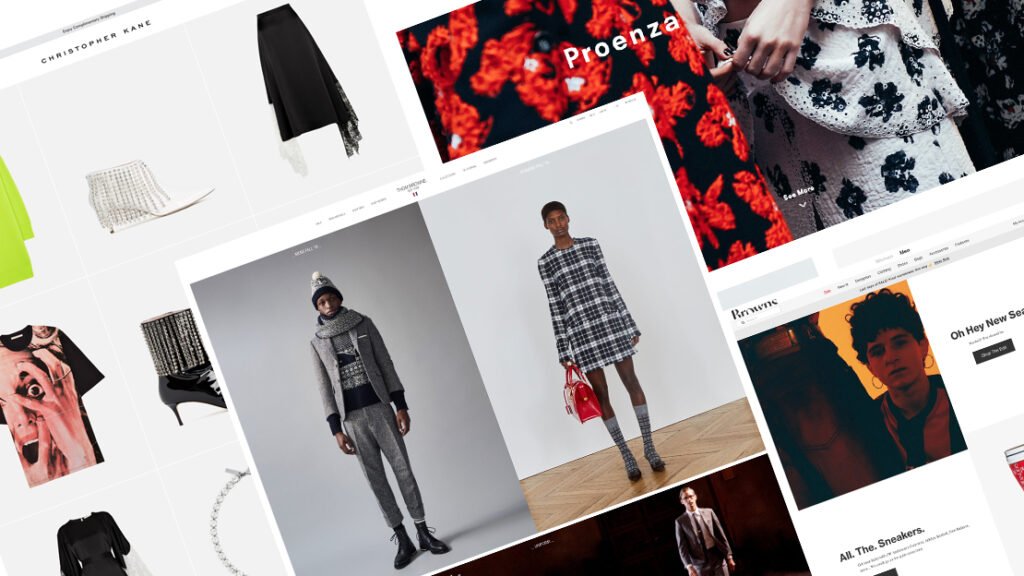
This future-forward approach positions Farfetch not merely as a retailer, but as an ecosystem for digital luxury, capable of adapting to how people experience style in both physical and virtual spaces.
Farfetch Today: The New Face of Luxury
Farfetch has successfully reimagined the luxury retail experience for the digital generation. It has taken what once seemed incompatible—technology and tradition—and woven them into a seamless, elegant experience. Whether it’s discovering an emerging designer from Tokyo, purchasing an exclusive runway look from Paris, or trading a pre-owned designer handbag, Farfetch offers a level of accessibility and sophistication unmatched in the industry.
More than a marketplace, Farfetch represents a global movement—one that champions creativity, diversity, and sustainability in fashion. It empowers both consumers and creators, connecting the dots between the past, present, and future of luxury.
In a world where digital transformation continues to reshape industries, Farfetch stands as the future of fashion commerce—proof that luxury can evolve without losing its soul.


