









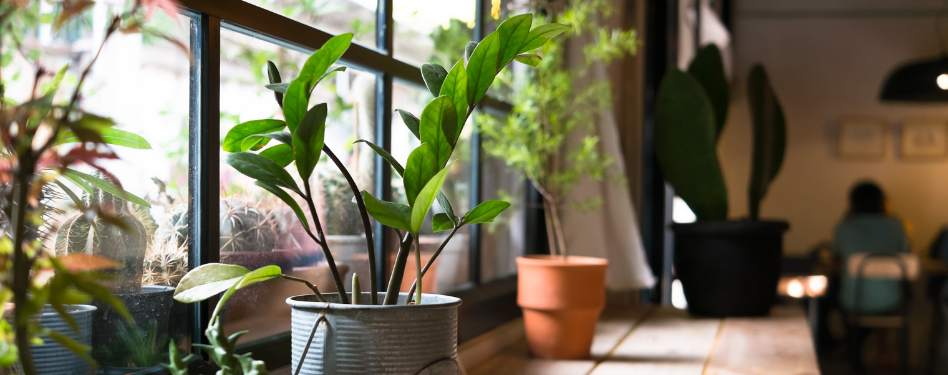
In recent years, home décor has moved beyond mere aesthetics to focus on improving well-being, comfort, and sustainability. One of the most exciting trends redefining interiors in 2025 is biophilic design—a concept that emphasizes a strong connection between humans and nature. Far from being just a passing fad, biophilic décor is transforming how people live, helping them feel more grounded, relaxed, and energized in their own homes.
What Is Biophilic Design?
Biophilic design is based on the idea that humans are inherently connected to the natural world. It integrates natural elements—like greenery, sunlight, water, and organic materials—into interior spaces. Instead of treating plants or wooden furniture as afterthoughts, biophilic design weaves them into the very structure of the home, making nature a core part of everyday living.

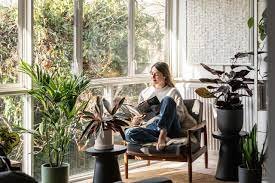
This approach goes beyond simply placing a few potted plants in the corner. It’s about creating spaces that mimic the calming, balanced atmosphere we experience in the outdoors. Think sunlit reading nooks with floor-to-ceiling windows, indoor water features that mimic gentle streams, or earthy textures like stone and bamboo used in walls and flooring.
Why Is Biophilic Design Trending Now?
There are three main reasons this style has gained momentum:
- Wellness at Home – With more people spending extended hours indoors—working remotely, unwinding, or entertaining—homes are expected to do more than ever before. A biophilic environment helps reduce stress, improve focus, and even boost productivity. Research has shown that indoor greenery can enhance mood and purify air, making homes healthier both mentally and physically.
- Sustainability Movement – As eco-conscious living becomes mainstream, homeowners are seeking sustainable materials and designs. Biophilic décor often uses renewable resources, recycled wood, natural fabrics, and low-VOC paints that not only look beautiful but also protect the planet.
- Modern Aesthetics with Warmth – Contemporary interiors sometimes risk feeling too sterile or minimalist. Biophilic elements soften the look of sharp lines and monochrome palettes, bringing warmth and a sense of life into modern spaces.
Ways to Incorporate Biophilic Design in Your Home
You don’t need to completely renovate to embrace this trend. Here are some easy, impactful ways to get started:
- Add Indoor Plants in Layers: Mix small potted herbs in the kitchen, medium-sized palms in living spaces, and vertical gardens on walls for a lush, layered effect.
- Maximize Natural Light: Swap heavy curtains for sheer fabrics, install skylights where possible, or use mirrors to bounce sunlight around rooms.
- Use Organic Materials: Opt for jute rugs, rattan furniture, bamboo blinds, or stone accents to create tactile connections to nature.
- Incorporate Water Features: Small tabletop fountains or aquariums can introduce the soothing sounds of flowing water into your home.
- Nature-Inspired Art and Patterns: Even wallpapers with leafy motifs, artwork featuring landscapes, or textiles with floral prints can create a natural feel.
The Health Benefits of Living with Nature Indoors
The advantages of biophilic design aren’t just visual. Studies highlight multiple health and wellness benefits:
- Reduced anxiety and stress levels
- Improved concentration and memory
- Higher productivity for remote workers
- Better indoor air quality
- Enhanced creativity and problem-solving
Simply put, creating a natural environment indoors isn’t just about style—it’s about nurturing a lifestyle that supports mental and physical health.
Future of Biophilic Home Décor

As smart homes evolve, biophilic design is also adapting. Imagine lighting systems that mimic the rhythm of natural daylight, self-watering indoor gardens, or smart sensors that adjust airflow based on indoor plants’ needs. In the coming years, technology and nature are set to work together seamlessly, making biophilic homes more accessible and efficient than ever.
Final Thoughts
Home décor in 2025 is no longer about just making your space look beautiful—it’s about designing homes that feel alive and supportive of well-being. Biophilic design blends aesthetics, sustainability, and wellness, creating interiors that not only please the eye but also calm the mind and rejuvenate the body.
Whether you’re adding a few leafy greens to your desk, installing wooden wall panels, or completely rethinking your interiors, incorporating biophilic principles is a step toward living in harmony with nature—even while staying indoors.


