







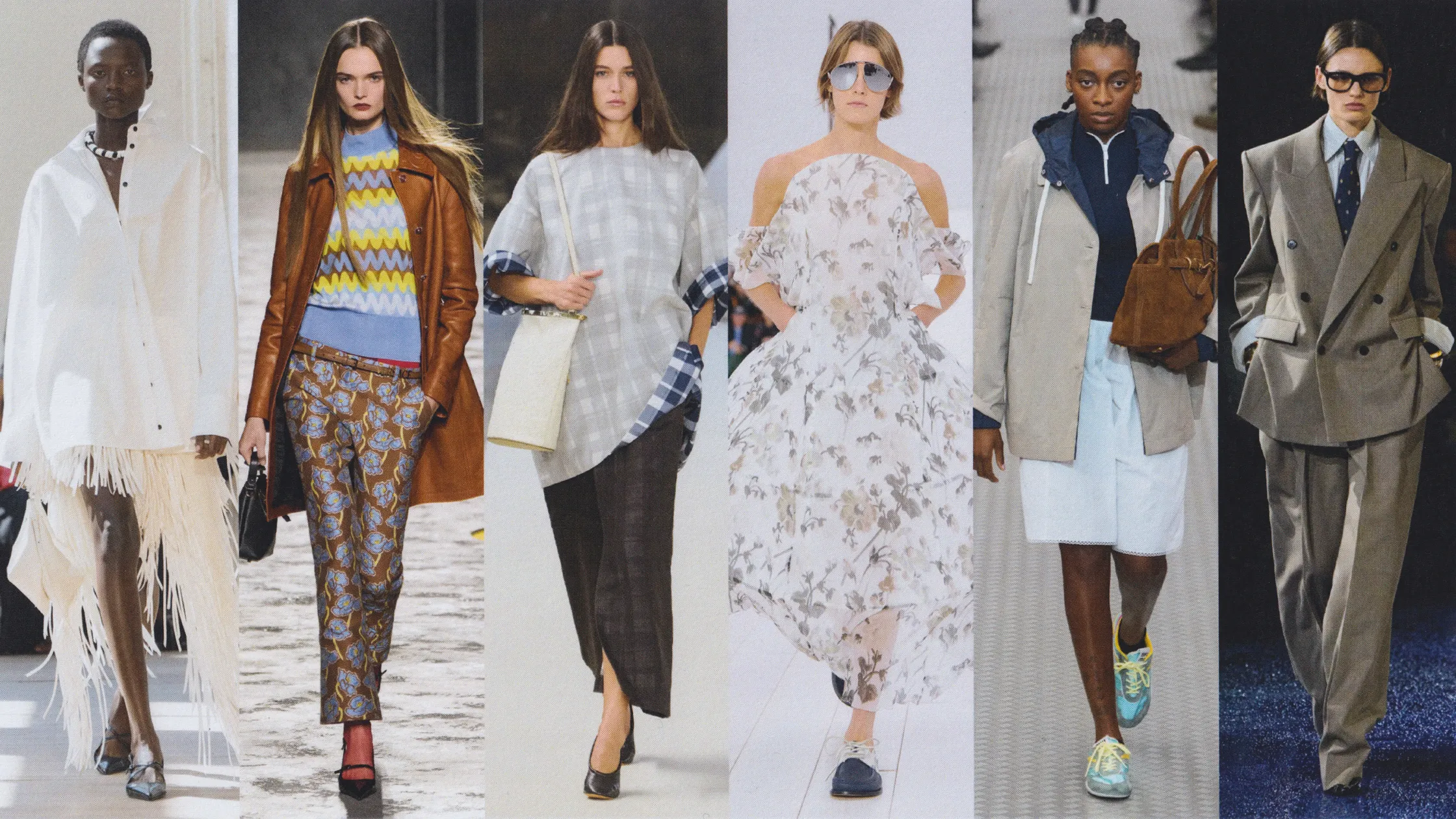
Fashion has always been more than fabric — it’s the language of identity, creativity, and transformation. In 2025, this language is evolving faster than ever. From AI-designed couture to climate-conscious craftsmanship, the fashion world is rewriting its rules while keeping its heart rooted in self-expression. The result? A revolution where elegance meets innovation, and style becomes a reflection of purpose as much as personality.
Fashion Beyond Trends: The Rise of Individual Expression

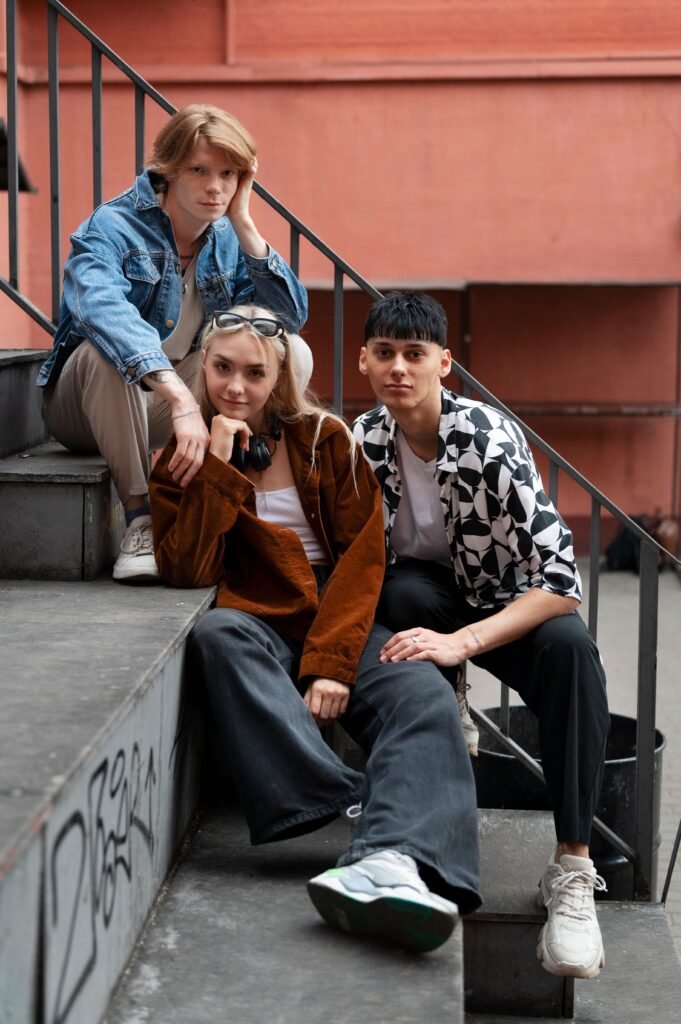
Gone are the days when seasonal trends dictated wardrobes. The modern era celebrates individual style over mass conformity. People are mixing vintage finds with futuristic silhouettes, luxury pieces with thrifted treasures, and timeless staples with statement artwear.
Social media and digital fashion platforms have transformed how people engage with clothing — style today is about authenticity. Whether it’s a hand-embroidered jacket that tells a personal story or a 3D-printed accessory designed uniquely for you, the focus is on originality.
Fashion houses are catching on, too. Brands like Gucci, Bottega Veneta, and Jacquemus are reimagining what luxury means — less about logos, more about longevity, craftsmanship, and emotional connection.
Sustainable Chic: Where Style Meets Responsibility
Sustainability is no longer a buzzword — it’s the backbone of the new fashion landscape. The shift toward eco-conscious design has moved beyond organic cotton and into circular production systems, biodegradable fabrics, and recycling innovation.
Designers are experimenting with materials like mycelium leather, algae-based textiles, and plant-dyed silks to reduce fashion’s environmental footprint. Meanwhile, vintage and resale platforms such as The RealReal, Depop, and Vestiaire Collective have transformed secondhand shopping into a luxury experience.
Consumers today want transparency. They want to know where their clothes come from, who made them, and what impact they have on the planet. The most stylish wardrobes of 2025 are the ones that tell stories of ethical elegance — clothes with conscience and craftsmanship intertwined.
Tech and Couture: Fashion’s Digital Evolution
The digital frontier has completely changed the way fashion is created and consumed. Artificial intelligence, augmented reality, and 3D printing are now central to how brands design, produce, and even present their collections.
AI assists designers in predicting color trends, visualizing silhouettes, and optimizing production with minimal waste. Virtual showrooms allow fashion lovers to “try on” garments from their phones. And digital-only brands are emerging — creating collections that exist entirely in the metaverse, worn by avatars and influencers alike.
This doesn’t mean the tactile joy of clothing is lost — instead, it’s expanding. Imagine owning both a physical handbag and its NFT twin, each representing craftsmanship and digital artistry in equal measure.
Fashion in 2025 isn’t just worn — it’s experienced.
Timeless Luxury: The Return to Craft and Heritage
While innovation drives fashion forward, there’s an equally strong pull toward heritage and timeless craftsmanship. Artisanal techniques — embroidery, weaving, tailoring — are being revived and celebrated. Luxury buyers now look for pieces that age beautifully rather than fade with trends.
Brands like Hermès, Dior, and Chanel continue to honor their traditions while quietly innovating. Even emerging designers are incorporating slow fashion values, focusing on small-batch production and handmade details.
The luxury of the future isn’t loud or ostentatious; it’s subtle, emotional, and enduring — the kind of piece you pass down, not replace.
Inclusivity and the Human Story
Fashion in 2025 is not about perfection — it’s about representation. Runways are no longer one-size-fits-all stages. Designers are casting models of all shapes, ages, and backgrounds, reshaping beauty standards once dictated by the industry.

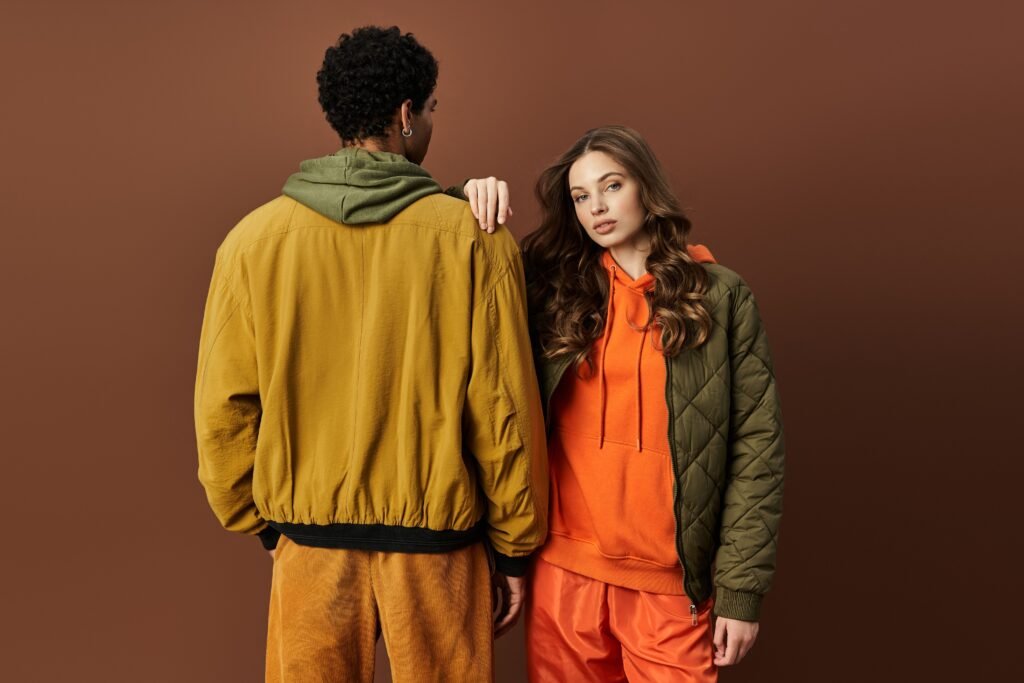
Adaptive fashion — designed for people with disabilities — is also gaining recognition, merging accessibility with artistry. Brands like Tommy Hilfiger Adaptive and The Row’s inclusive collections are leading this charge.
Inclusivity is no longer an afterthought; it’s a movement. It’s what makes modern fashion relevant — and real.
The Future of Fashion: Mindful, Bold, and Boundless
Looking ahead, fashion’s greatest strength will continue to be its ability to adapt. From digital couture and genderless design to sustainable innovation, the future wardrobe is one of balance — where creativity and responsibility coexist harmoniously.
The new generation of fashion lovers isn’t chasing status; they’re curating meaning. Their wardrobes are not about showing off but about showing who they are — expressive, ethical, and empowered.
In a world constantly changing, style remains one of the few ways we can pause, reflect, and reinvent ourselves. Because fashion, at its core, isn’t just about what we wear — it’s about how we live, think, and dream.


