







In the global race toward electrification, most of the spotlight has been on the rise of the Gigafactory — vast industrial complexes producing hundreds of thousands of electric vehicles (EVs) and battery packs each year. These monumental facilities, popularized by companies like Tesla, represent the traditional scaling philosophy: build bigger to build more.
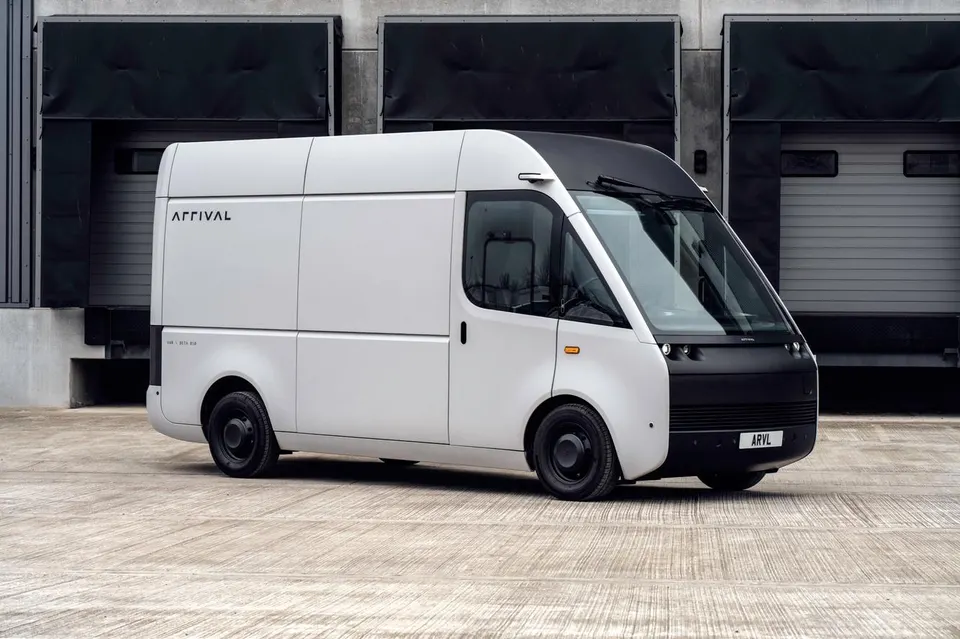
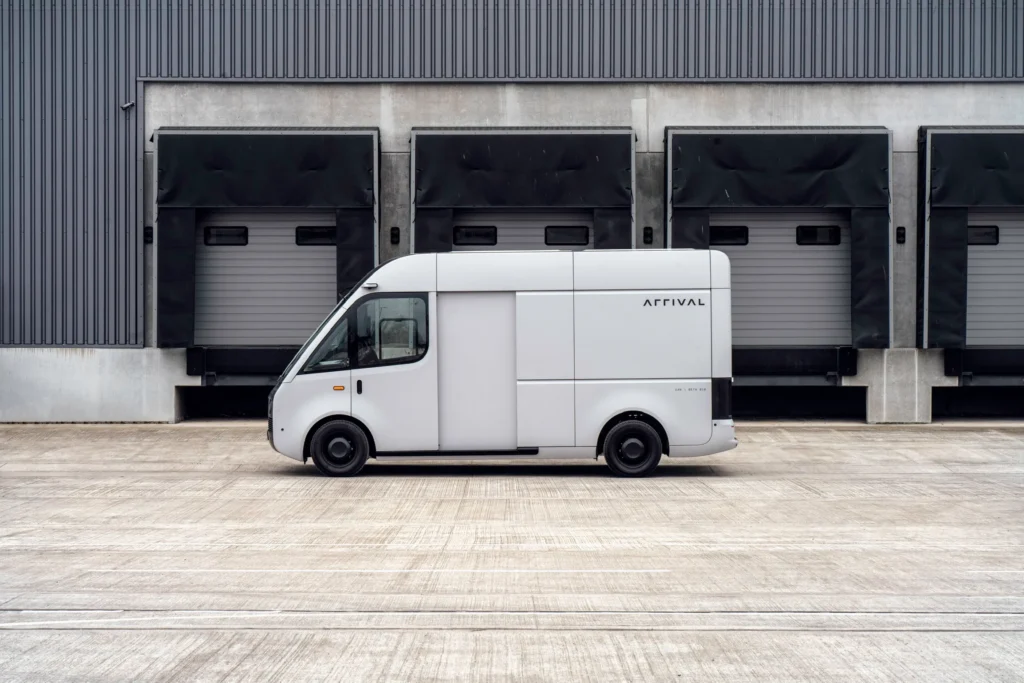
But while the giants focus on size, a new player has been quietly rewriting the rules of vehicle manufacturing. The British startup Arrival has introduced a revolutionary concept — the Microfactory — smaller, smarter, and more flexible facilities that could redefine the future of EV production.
From Gigafactory to Microfactory: A Shift in Scale and Philosophy
A Gigafactory can span millions of square feet, cost billions to build, and require thousands of workers. They are designed to achieve economies of scale — producing as many vehicles as possible at the lowest per-unit cost. However, these facilities also face challenges: high upfront investment, complex logistics, and environmental impact.

Arrival’s Microfactory turns that idea upside down. Instead of one massive centralized plant, the company builds a network of compact, localized facilities that can produce EVs close to where they’ll be used. Each Microfactory is typically housed in a standard warehouse-sized space, using advanced robotics, automation, and digital twins to streamline production.
This distributed approach represents a paradigm shift — from scale through size to scale through intelligence.
What Exactly Is a Microfactory?
A Microfactory is a small-scale, modular manufacturing unit designed to produce vehicles efficiently and sustainably. Unlike traditional plants, it doesn’t rely on expensive tooling, stamping, or paint shops. Arrival’s vehicles are built using lightweight composite materials and a process optimized for automation.
Each Microfactory can produce around 10,000 vehicles per year, depending on the model. They can be established in under six months at a fraction of the cost of a conventional plant. Because they’re located closer to urban centers, they also reduce shipping and logistics emissions — a major win for sustainability.
In essence, Microfactories aim to make localized manufacturing viable again — producing globally, but building locally.
Arrival’s Vision: Democratizing Vehicle Production
Arrival’s mission is not just to build EVs, but to revolutionize how they’re built. By decentralizing manufacturing, the company envisions a future where smaller production units can quickly adapt to local needs and regulations.
This flexibility could prove especially valuable for commercial vehicles like delivery vans, buses, and fleet EVs, where regional customization is key. A Microfactory in Los Angeles could build vehicles optimized for urban logistics, while another in Munich might focus on energy-efficient city buses.
Moreover, the digital-first design allows Arrival to update production instantly across all Microfactories through software. If a process improves in one location, it can be implemented everywhere — seamlessly and without disruption.
Technology Behind the Microfactory
Arrival’s Microfactories leverage several cutting-edge technologies:
- Digital Twins: Each vehicle and production line has a virtual twin, allowing engineers to simulate, optimize, and troubleshoot processes before they happen in the real world.
- Modular Assembly Cells: Instead of long conveyor belts, vehicles are built in compact modular cells, reducing space and energy requirements.
- Robotics and AI: Arrival uses autonomous robots and machine vision to handle repetitive tasks, improving precision and reducing human labor costs.
- Composite Materials: The company has designed its own recyclable, durable body panels, eliminating the need for traditional paint shops — one of the most environmentally harmful steps in auto manufacturing.
Sustainability and Cost Advantages
Microfactories align perfectly with the sustainability goals driving the EV revolution. Their smaller footprint means less land use, lower energy consumption, and minimal waste. Because materials and vehicles don’t travel across continents, the overall carbon footprint of each unit is significantly reduced.
Financially, they also make sense. A traditional car factory can cost upwards of $1–2 billion to build, while an Arrival Microfactory may require under $50 million. That’s a radical reduction in capital expenditure — one that could open doors for smaller automakers, governments, and even local investors to establish their own EV facilities.
Challenges on the Road Ahead

While the Microfactory concept is revolutionary, it’s not without hurdles. Arrival has faced financial pressures, production delays, and challenges scaling its model globally. Setting up multiple smaller facilities requires operational precision and steady demand. Yet, if refined successfully, the approach could disrupt an industry still dependent on massive centralized plants.
The Future of EV Manufacturing
The battle between Gigafactories and Microfactories represents two competing visions of the future. One prioritizes mass production and global scale; the other champions agility, localization, and sustainability.
Arrival’s Microfactory model may not replace the Gigafactory entirely, but it offers a compelling alternative — one that democratizes vehicle production, shortens supply chains, and empowers communities to build the future of mobility on their own terms.
In the age of electrification, the future might not just belong to the biggest — it could belong to the smartest.


