







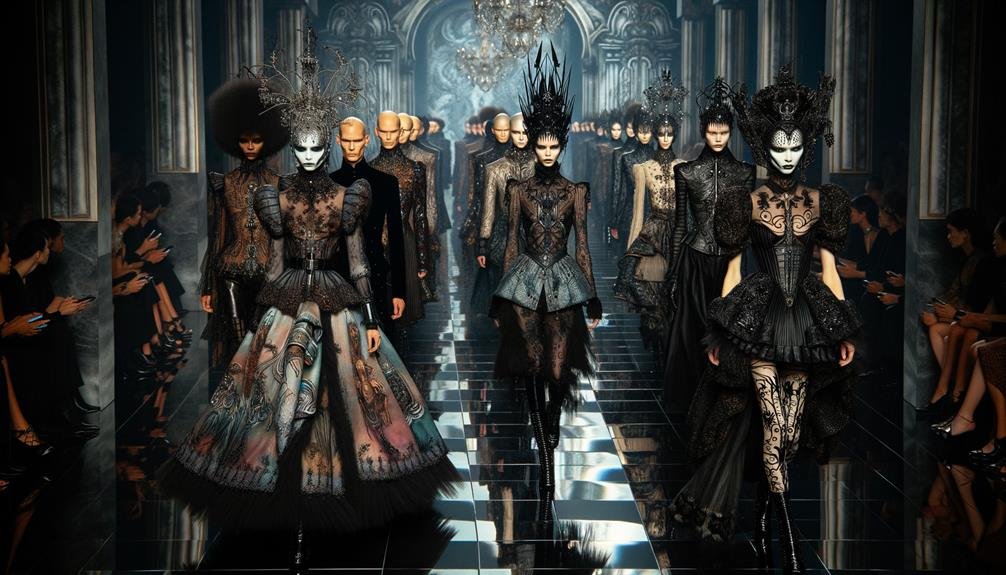
Fashion is more than clothing; it is a cultural statement, a mirror of society, and a means of storytelling. Few names embody this truth better than Coco Chanel and Alexander McQueen, two icons whose legacies continue to inspire and challenge the industry. While separated by time, background, and style, both designers reshaped the way people perceive fashion, leaving behind lasting imprints that remain relevant today.
Coco Chanel: The Pioneer of Modern Elegance
Born Gabrielle Bonheur Chanel in 1883, Coco Chanel rose from humble beginnings to become one of the most influential designers in history. Her philosophy of fashion was built on freedom, simplicity, and timelessness—values that revolutionized women’s wardrobes.

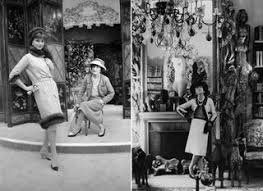
At a time when women were constrained by corsets and excessive layers, Chanel introduced designs that emphasized comfort without sacrificing elegance. She popularized jersey fabric, previously used only for men’s underwear, by turning it into chic, wearable garments. Her most iconic contribution, the little black dress (LBD), remains a staple of every woman’s closet—symbolizing sophistication that transcends generations.
Chanel also redefined luxury with the creation of Chanel No. 5, a perfume that became a global symbol of femininity. Beyond garments, she cultivated an entire lifestyle brand that fused fashion, fragrance, and identity. Her designs freed women from restrictive clothing, giving them clothing that matched their changing roles in society.
Chanel’s legacy is not just about aesthetics; it’s about empowerment. She made fashion a tool for independence, encouraging women to dress for themselves rather than for the male gaze. In doing so, she laid the foundation for modern fashion.
Alexander McQueen: The Visionary of Dark Romance
If Chanel represented freedom and elegance, Alexander McQueen embodied theatricality and rebellion. Born in 1969 in London, McQueen began as a tailor on Savile Row before emerging as a designer known for his dramatic runway shows and boundary-pushing creativity.
McQueen’s work was characterized by its juxtaposition of beauty and darkness. His collections often blended historical references with futuristic visions, creating a hauntingly beautiful aesthetic. His 1999 show, featuring model Shalom Harlow being spray-painted by robotic arms, remains one of the most iconic moments in fashion history.


Unlike Chanel’s minimalism, McQueen embraced extravagance, shock, and storytelling. His designs celebrated the human form in unconventional ways—through exaggerated silhouettes, intricate embroidery, and provocative themes. He challenged the very idea of what fashion could be, blurring the lines between clothing and art.
At the heart of McQueen’s legacy is his ability to make fashion a narrative experience. His shows spoke about life, death, love, and identity, drawing audiences into his world of gothic romance. Even after his untimely death in 2010, the Alexander McQueen brand continues to honor his vision under Sarah Burton, who designed Kate Middleton’s wedding gown—an example of how his influence bridges avant-garde artistry and mainstream elegance.
Different Eras, Shared Impact
Though Chanel and McQueen approached fashion from vastly different angles, their influence overlaps in meaningful ways. Both were disruptors: Chanel by liberating women from restrictive traditions, and McQueen by redefining the artistic possibilities of the runway.
Their legacies also highlight fashion’s ability to reflect and influence culture. Chanel mirrored the early 20th-century movement toward female empowerment, while McQueen spoke to late 20th- and early 21st-century themes of identity, technology, and existential questioning. Together, they prove that fashion is more than garments—it is a dialogue with society.
Why Their Legacies Endure
The reason Chanel and McQueen remain iconic lies in their authenticity. They did not simply follow trends; they created movements. Chanel’s timeless silhouettes continue to dominate wardrobes, while McQueen’s daring vision pushes designers and audiences to think beyond convention.
Their work reminds us that fashion has the power to shape identity, influence culture, and provoke thought. In today’s fast-fashion world, where trends come and go overnight, the legacies of Chanel and McQueen stand as reminders of the enduring value of vision, courage, and originality.
Final Thoughts
Coco Chanel and Alexander McQueen could not have been more different—yet both revolutionized fashion in ways that still resonate. Chanel gave women the freedom to move and express themselves, while McQueen gave fashion the freedom to provoke, inspire, and challenge. Their stories show us that fashion is not only about what we wear but also about how we live, think, and dream.
As new designers emerge and trends evolve, the legacies of Chanel and McQueen remind us that true fashion icons are not just creators of style—they are architects of cultural change.


