









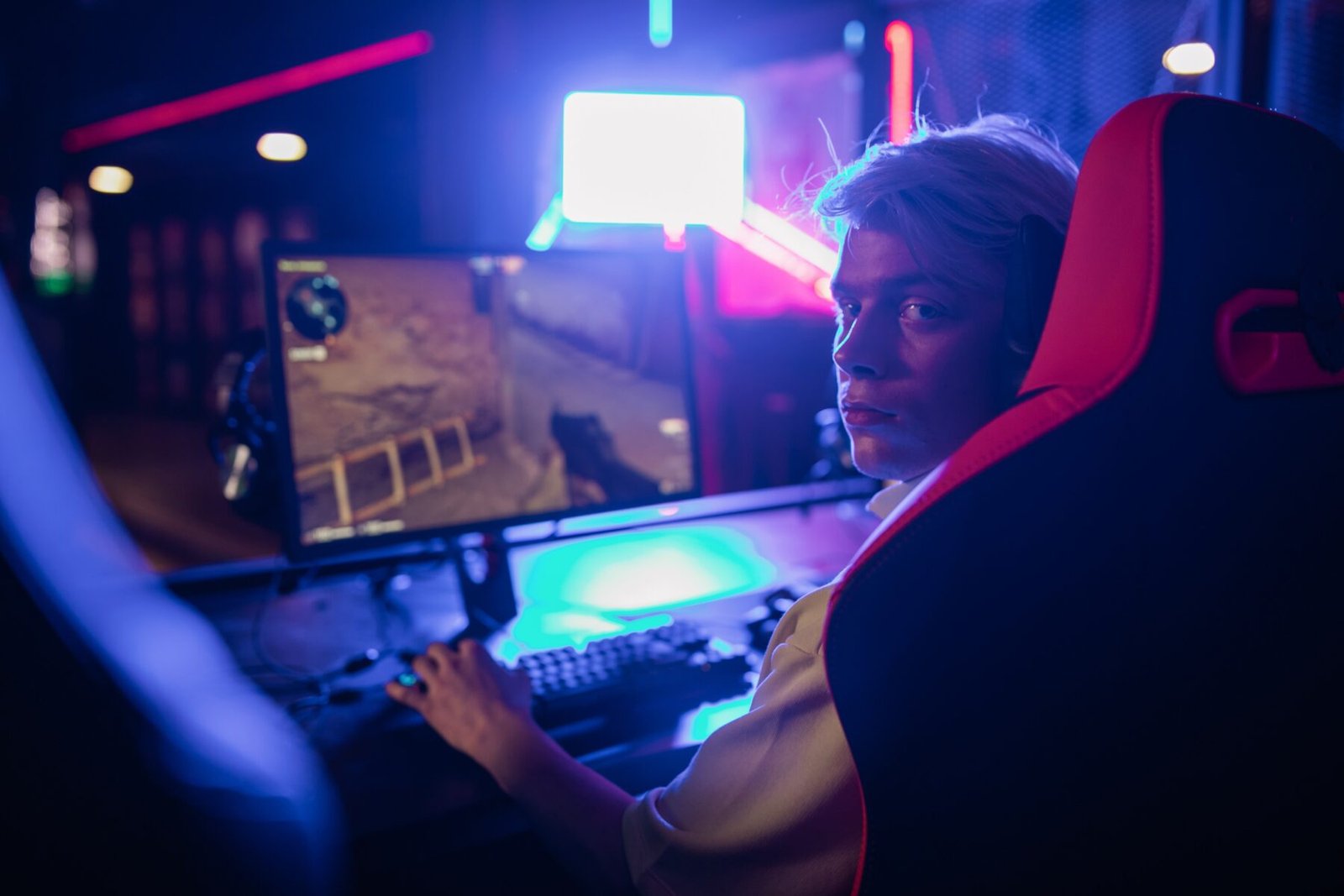
Gaming has become one of the most popular forms of entertainment in the world. For millions of people, it’s a way to relax, connect with friends, and even build careers. Yet, like any powerful cultural phenomenon, gaming has a darker side that often goes unspoken. Behind the bright graphics and thrilling adventures, players can face real challenges—addiction, toxic communities, and burnout. These issues remind us that balance and awareness are essential to enjoying gaming in a healthy way.
Addiction: When Gaming Takes Over
Video games are designed to be engaging. Quests, achievements, and reward systems keep players hooked and motivated to continue. While this makes games exciting, it can also lead to excessive play. The World Health Organization has even recognized “gaming disorder” as a real condition, defined by a lack of control over gaming habits.


Addiction can impact work, school, relationships, and physical health. Late-night sessions may disrupt sleep, while hours of sitting reduce physical activity. For younger gamers, this might affect academic performance or social development. For adults, it can strain personal relationships and lead to neglect of responsibilities.
However, it’s important to note that not everyone who plays for long hours is addicted. The real warning sign is when gaming starts to replace essential life activities—eating properly, exercising, or maintaining relationships.
Toxicity: The Dark Side of Online Communities
Gaming is often celebrated as a way to bring people together, but online multiplayer environments can sometimes become toxic. Competitive games especially can foster negativity—trash talk, cyberbullying, and harassment are unfortunately common.
Toxicity doesn’t just affect the fun of a game; it can harm mental health. Players, especially women and marginalized groups, often report hostile environments that make them feel unwelcome. This drives many away from communities that should be inclusive and supportive.
Developers are increasingly aware of the problem, introducing stricter reporting systems and promoting positive behavior. But building healthier gaming spaces also depends on players holding each other accountable and remembering that behind every avatar is a real person.
Burnout: When Passion Becomes Pressure
Another hidden challenge is burnout. This issue often affects professional gamers, streamers, and content creators who rely on gaming as a career. The pressure to perform, stay online, and constantly create can lead to exhaustion and mental fatigue.
Even casual players can experience burnout. Playing too much of a single game, grinding endlessly for rewards, or feeling the need to keep up with friends’ progress can turn gaming from a hobby into a chore. Instead of being relaxing, it becomes draining.
Recognizing burnout means paying attention to how gaming makes you feel. If logging in feels like an obligation rather than a joy, it may be time for a break. Exploring different genres, limiting playtime, or stepping away completely for a while can help reignite the fun.
Finding Balance in Gaming
The dark side of gaming doesn’t mean it’s inherently harmful. Like most forms of entertainment, moderation is key. Setting time limits, taking regular breaks, and ensuring gaming complements rather than replaces real-world responsibilities can make all the difference.

Parents can help younger players by setting boundaries and encouraging offline activities. For adults, self-awareness and open conversations with friends or family about gaming habits are vital. And for the community at large, promoting kindness, inclusivity, and respect can create healthier spaces for everyone.
Final Thoughts
Gaming is a powerful force for creativity, connection, and fun. Yet it’s important to acknowledge its challenges—addiction, toxicity, and burnout—so that players can navigate them wisely. By finding balance and supporting positive communities, gaming can remain what it was meant to be: an enjoyable escape that enriches, rather than harms, our lives.
Word Count: 567 ✅
Would you like me to also draft the positive flip side blog—something like “The Bright Side of Gaming: Connection, Creativity, and Growth”—to complement this one?


