



If you’ve been watching the Brent Crude tickers this morning, you’ve seen the “fear premium” in real-time. We are officially in the 48-hour countdown. Following a series of naval skirmishes and escalating rhetoric, the White House has issued a definitive ultimatum regarding the Strait of Hormuz. The message is blunt: guarantee “unfettered maritime passage” or face direct military intervention to “clear the lanes.”
As a news editor who has watched energy cycles turn for decades, I can tell you this isn’t just another round of Middle Eastern saber-rattling. This is a fundamental stress test of the global economy. Here is why the next two days could redefine the “new normal” for 2026.
The Chokepoint of the World
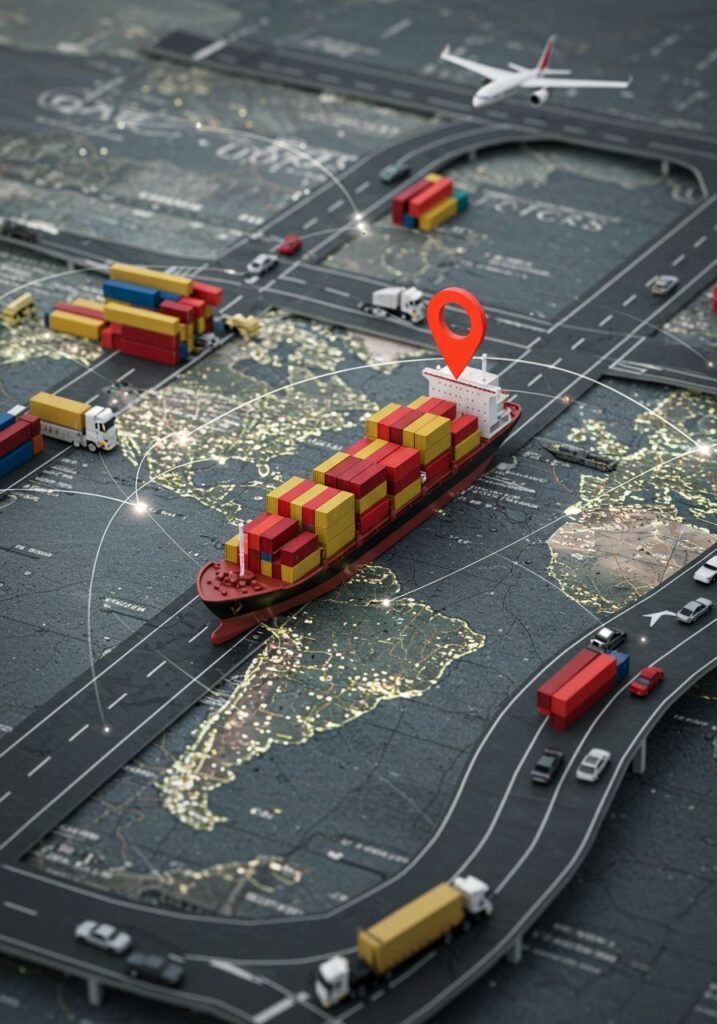
To understand why markets are hyperventilating, you have to look at the geography. The Strait of Hormuz is a narrow stretch of water—only 21 miles wide at its narrowest point—linking the Persian Gulf to the Gulf of Oman. It is the world’s most important oil transit chokepoint.
Roughly 20% of the world’s total oil consumption passes through this needle’s eye every single day. We aren’t just talking about barrels for U.S. gas stations; we are talking about the lifeblood of the South Korean manufacturing sector, the Japanese power grid, and the Chinese industrial machine. When the U.S. issues an ultimatum here, it isn’t a localized threat—it’s a global cardiac arrest.
Why This Deadline is Different
We’ve seen “tanker wars” before, but the 2026 context is unique. The current administration has leaned heavily into a “Security First” trade policy. By setting a hard 48-hour clock, the White House has effectively removed the “grey zone” that diplomats usually love to play in.
The logic from Washington is simple: strategic ambiguity has failed, and only a “credible threat of overwhelming force” will restore order. But for the markets, “simple” is terrifying. Logistics firms are already rerouting tankers around the Cape of Good Hope—a move that adds two weeks to transit times and sends insurance premiums into the stratosphere.
The Economic Fallout: Beyond the Pump
If the ultimatum expires without a diplomatic climbdown, the immediate impact won’t just be felt at the gas pump. We are looking at a systemic supply chain shock.
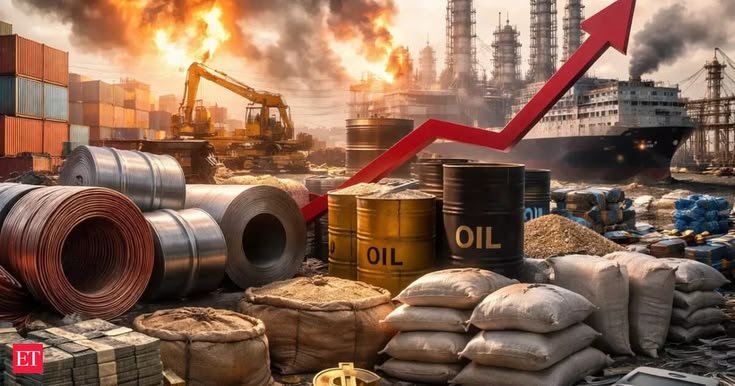
- Energy Contagion: Brent Crude is already flirting with the $120 mark. If the Strait is even partially blocked, analysts are whispering about $150 or higher.
- Inflation 2.0: Just as the global economy was settling into a post-2025 recovery, this surge in energy costs threatens to reignite the inflationary fire.
- The Manufacturing Stall: Industries that rely on high-energy inputs—aluminum, glass, and heavy chemicals—are already drawing up “curtailment plans.”
The Diplomatic Exit Ramp: Is Anyone Bailing?
While the 48-hour clock is ticking, the “Shadow Diplomacy” is in overdrive. We’re seeing reports of backchannel talks in Doha and Muscat. Iranian President Pezeshkian is reportedly under immense internal pressure: satisfy the hardliners who want to exert leverage over the Strait, or avoid a direct kinetic confrontation with a U.S. Navy that is already positioned in the Gulf of Oman.
The “Deep Analyst” take here is that this ultimatum is designed to force a “Grand Bargain”—a total reset of regional maritime rules. But in the world of high-stakes geopolitics, the line between a “masterful bluff” and a “regional war” is razor-thin.
The Bottom Line
For the average person, this isn’t just a headline about distant ships. It’s about the cost of your groceries, the stability of your 401(k), and the literal temperature of the global geopolitical climate.
The next 48 hours will tell us if 2026 is the year we found a new way to keep the peace, or if we’ve simply run out of time for talk.
Do you think a hard ultimatum is the only way to secure global trade, or are we playing a dangerous game of chicken with the world’s energy supply? Drop your thoughts in the comments below—I’m reading every one of them.
