







The world is shrinking—or at least the spaces we live in are. Urban populations are growing, rents are rising, and more people are choosing compact living by necessity or by choice. But here’s the twist: today’s small homes don’t feel small at all. With smart design and thoughtful touches, micro-living has become one of the most exciting movements in home improvement. It’s not about squeezing in; it’s about maximizing potential, personality, and purpose.
The heart of micro-living design lies in functional flow. Every inch of space must earn its keep, not just in utility but also in comfort. Homeowners are rethinking traditional layouts, ditching bulky furniture, and embracing multi-use solutions. Instead of a sofa and a separate bed, a modern pull-out daybed takes center stage. Instead of a dining table that sits idle for 20 hours a day, a collapsible wall-mounted one unfolds only when needed. These aren’t compromises—they’re creative solutions that give small spaces a sense of freedom.


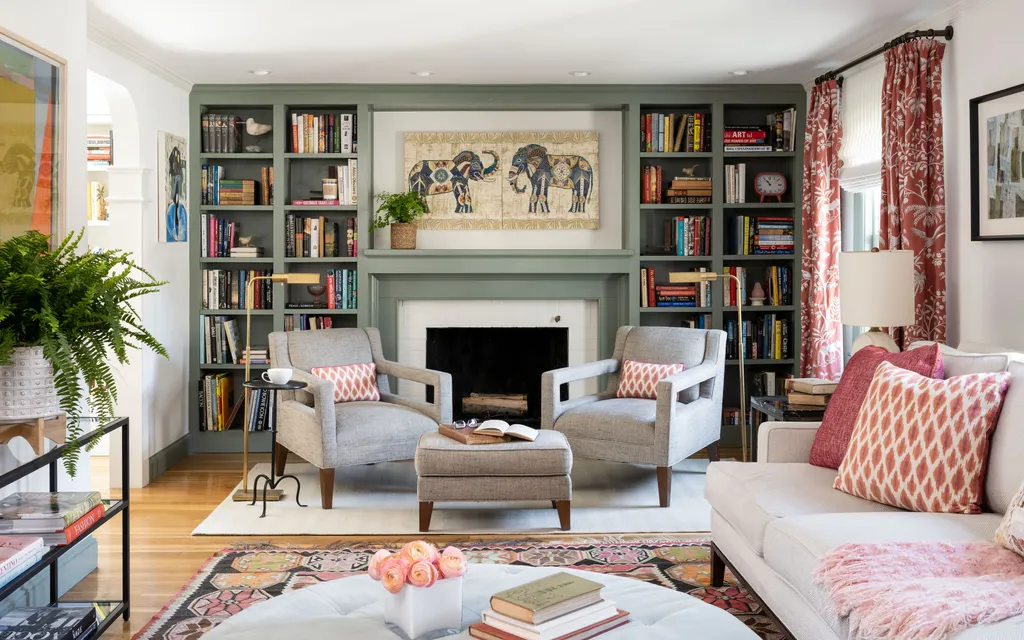
One of the smartest shifts in small-space home improvement is the new appreciation for vertical real estate. Walls are no longer just boundaries; they’re opportunities. Floor-to-ceiling shelving not only boosts storage but visually stretches the room upward. Pegboards in kitchens keep tools accessible without crowding counters. Floating shelves free up floor space while adding dimension. Even tall indoor plants are being used to draw the eyes upward, creating the illusion of higher ceilings.
Lighting is another game-changer. In a compact home, lighting doesn’t just illuminate—it shapes. Micro-living designers are embracing layered lighting to create zones within a single room. Under-cabinet LEDs brighten kitchen nooks; warm floor lamps soften living areas; pendant lights define eating spaces. Smart bulbs that shift between cool white for productivity and warm amber for relaxation make a small home adaptable throughout the day. Mirrors amplify this effect, bouncing light around to double the perceived size of a room.
When it comes to colour, micro-living is rewriting rules. While light neutrals keep spaces airy, the trend now is to pair them with deep accent shades—hunter green, midnight blue, charcoal grey—to create cosy corners. A tiny home office nook painted in a rich tone feels intentional rather than cramped. Statement walls give personality without adding clutter. And by carrying a consistent colour palette throughout the home, even the smallest apartments feel cohesive and spacious.
Storage transforms from a challenge to an art form in micro-living design. The focus is on hidden, seamless, and multifunctional solutions. Beds with drawers, ottomans with storage compartments, under-stair closets, and hollow benches turn unused areas into organizational goldmines. Kitchens are adopting slide-out pantries and magnetic racks, while bathrooms increasingly feature built-in niches and space-saving vanities. Micro-living proves that great design doesn’t eliminate belongings—it elevates them.
The trend also embraces open-concept living, but with smart partitions. Instead of solid walls, designers use sliding doors, glass panels, lightweight curtains, or even open shelving to define zones while maintaining flow. These flexible boundaries make it easy to switch a space from work mode to relaxation mode without feeling boxed in.
A key philosophy behind the micro-living movement is mindful minimalism. It’s not about owning less; it’s about owning intentionally. This has inspired homeowners to make better choices: high-quality staples instead of fast furniture, modular pieces that evolve with needs, and décor that adds emotional warmth rather than visual clutter. A compact home becomes a curated experience—cozy, efficient, and deeply personal.
Outdoor integration is another growing trend. Even the tiniest balcony can be transformed into an oasis with foldable furniture, vertical gardens, reed screens, and string lights. These micro-sanctuaries offer breathing space for city dwellers and extend living areas without adding square footage.

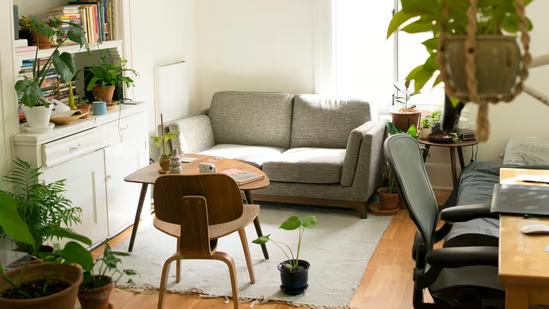
Technology plays an essential supporting role. Smart home hubs reduce the need for multiple controls. Compact appliances—like dishwasher drawers, slimline fridges, or combination washer–dryers—free up room for living. Robotic vacuums keep small floors clean with minimal effort, proving that micro-living works best when convenience meets creativity.
What makes micro-living truly transformative is its mindset shift. It teaches us that living small doesn’t mean dreaming small. It invites us to simplify, to prioritize joy, and to create homes that nurture rather than overwhelm. A thoughtfully designed micro-space can hold immense character, clarity, and comfort.
In the end, micro-living isn’t a trend—it’s a blueprint for future homes that are smart, soulful, and beautifully intentional.


