








For years, software innovation focused on speed, automation, and technical power. But as digital tools flood every corner of our lives—from work and learning to shopping, wellness, and entertainment—technology is undergoing a profound shift. The next frontier of software isn’t just smarter algorithms or faster processing. It’s about creating experiences that feel natural, intuitive, and meaningfully human.
Welcome to the era of human-centered software, where the most groundbreaking innovations are those that reshape how people think, create, collaborate, and connect.
Human First, Technology Second
Old software models were built around process efficiency: perform a task, solve a problem, complete a workflow. Modern users, however, expect more than functionality. They want products that understand context, reduce cognitive load, and adapt to the way they naturally behave.


This means today’s best software integrates:
- Empathy-driven design
- Clear, frictionless navigation
- Intelligent personalization
- Emotionally aware interfaces
- Accessibility for all user types
The shift from rigid systems to fluid, human-friendly experiences signals a massive paradigm change across the digital landscape.
Software That Anticipates Needs
Predictive and adaptive technologies are rapidly becoming standard. Rather than waiting for user input, software now makes micro-decisions in real time—proposing next steps, suggesting improvements, and identifying patterns before we consciously notice them.
For example:
- Productivity tools predict deadlines or flag task bottlenecks.
- Writing software enhances clarity by sensing context rather than grammar alone.
- Health apps identify risk patterns based on behavior, not just data logs.
This new era of anticipatory technology reduces effort and enhances outcomes—essentially making software feel like a helpful partner rather than a passive tool.
The Rise of Micro-Automation
Automation used to be associated with large-scale enterprise workflows. Today, micro-automation is transforming everyday software interactions.
Think of:
- Auto-sorting digital files
- Instant template generation
- Smart suggestions for messaging and design
- Automatic meeting summaries
- Background cleanup of data, memory, and clutter
These tiny, invisible automations add up to enormous time savings. In a fast-paced digital world, removing friction is no longer a luxury—it’s an expectation.
The New Collaboration Ecosystem
As teams spread across countries and time zones, collaboration tools have evolved into ecosystems rather than standalone apps. Modern platforms blend communication, workflow, analytics, and creativity into a single digital environment.
No more jumping between ten different tools. Instead, users get:
- Real-time co-creation
- Persistent conversation threads
- Integrated dashboards
- Unified search
- Shared knowledge bases
- AI-powered task orchestration
The software that succeeds today is the software that acknowledges how people actually work—messy, flexible, and fast—and provides a smooth digital backbone for it.
Security Designed for Humans, Not Just Systems
Historically, cybersecurity felt intimidating: long passwords, complex rules, frequent alerts. Now, human-focused security is rising—systems that protect data without overwhelming users.
Examples include:
- Passwordless login
- Behavioral authentication
- Automatic threat detection
- Security notifications written in plain language
- Invisible background monitoring
Security is no longer something people must “manage.” The best platforms now handle it automatically, while empowering users with clarity instead of confusion.
The Return of Creativity in Software
While efficiency once ruled software design, creativity is making a comeback. Tools for creators—designers, writers, marketers, developers, educators—are exploding with intuitive features that encourage experimentation.
From drag-and-drop builders to AI-assisted editing, these tools remove technical barriers and bring creativity to the forefront. Even traditional productivity suites now offer:
- Idea generation prompts
- Visual storytelling components
- Advanced editing suggestions
- Automatic layout and design help
Software is evolving from a structured environment into a playground for ideas, fueling innovation in every field.
Minimalism: The Ultimate Luxury
With software becoming more powerful, the challenge is avoiding feature overload. The most impressive products today often appear deceptively simple. Behind clean layouts and minimal options lies deep intelligence.

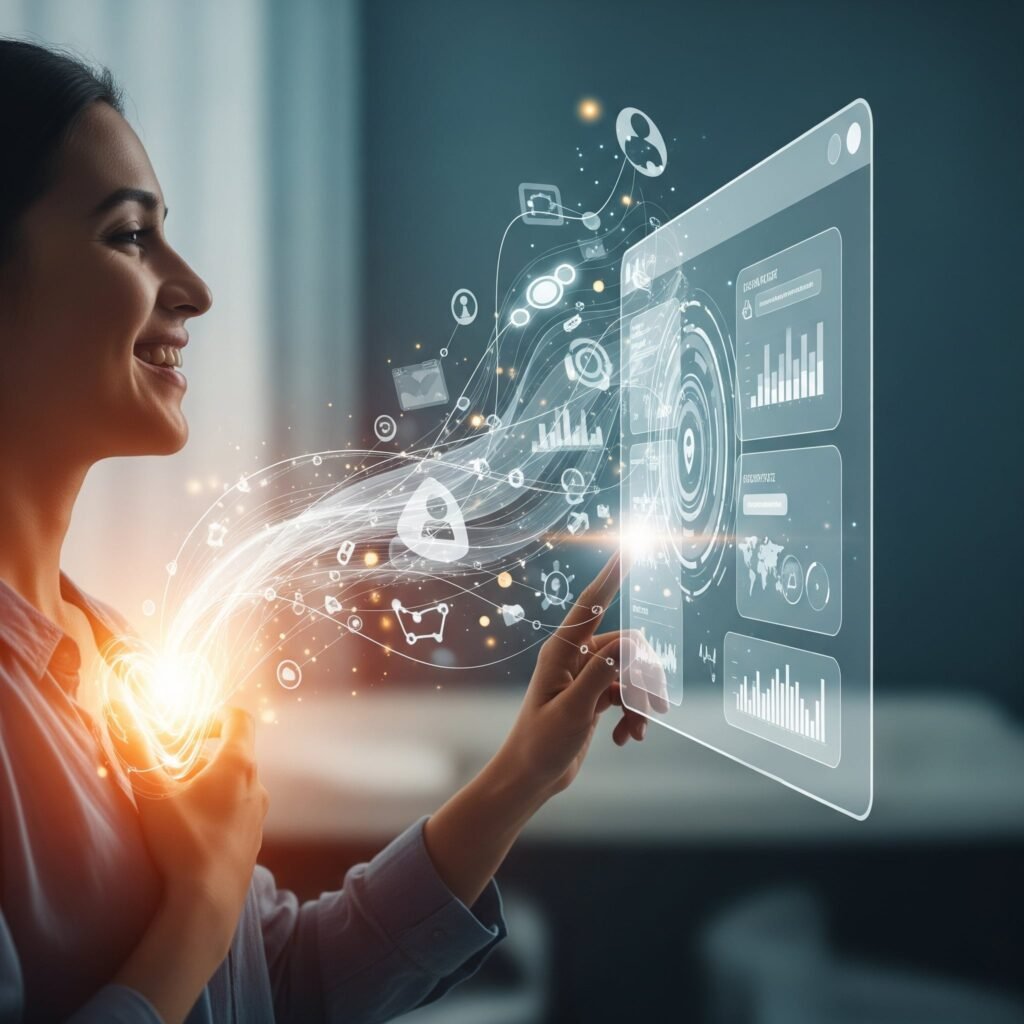
Minimalist interfaces reduce:
- Visual clutter
- Cognitive fatigue
- Navigation time
And they maximize:
- Focus
- Clarity
- Ease of use
In other words, minimalism isn’t about having less—it’s about removing everything that gets in the way of meaningful interaction.
Looking Ahead: The Future Is Human-Driven
As artificial intelligence accelerates and digital ecosystems expand, the software industry is learning an essential truth: technology succeeds when it supports human experience, not when it overshadows it.
The future of software will be shaped by:
- Smarter personalization
- Calm technology that works quietly in the background
- Purpose-driven automation
- Emotional intelligence in interfaces
- Seamless interoperability
- Designing for curiosity, creativity, and comfort
In this new era, innovation doesn’t mean complexity—it means connection. Software that understands us, adapts to us, and empowers us will define the next wave of digital transformation.


