







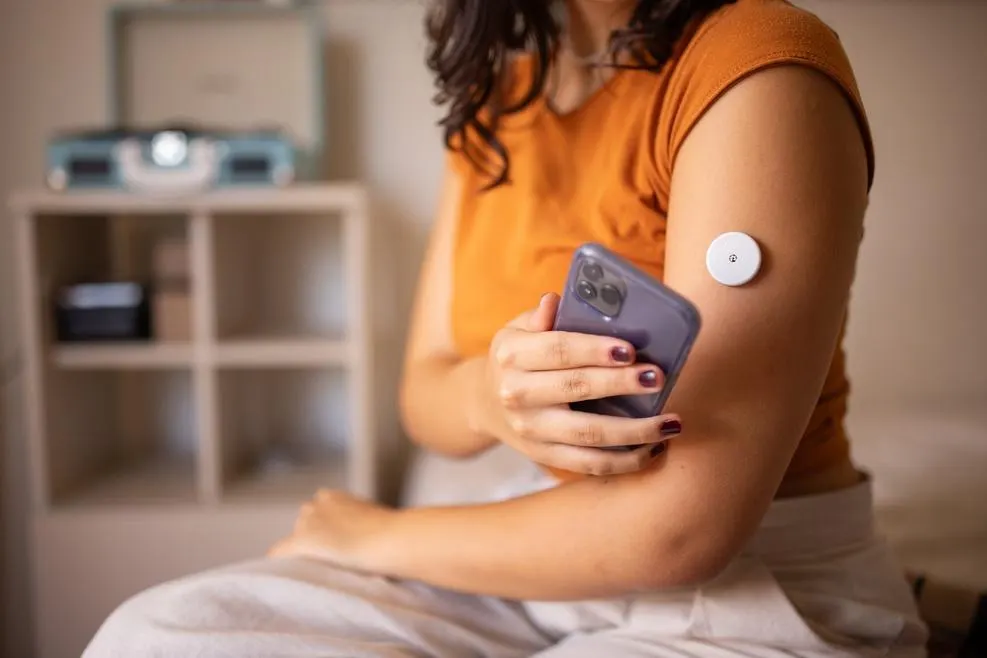
Healthcare has long been centered around treatment—fixing illnesses once they appear. But in recent years, a shift has taken place. Preventive healthcare, which focuses on identifying risks early and making lifestyle changes before illness sets in, is becoming the new standard. And at the heart of this revolution are wearables and biometric technologies, tools that are quietly turning everyday life into a continuous health checkup.
From smartwatches tracking heart rate to biometric patches monitoring blood sugar, the integration of these devices is transforming not just how we manage health, but how we understand our bodies. Let’s explore how wearables and biometrics are reshaping preventive healthcare.
The Rise of Wearable Health Tech
Wearables started as fitness gadgets—step counters and calorie trackers. Today, they’ve evolved into sophisticated health monitoring systems. Smartwatches and bands can now measure heart rate variability, blood oxygen saturation, ECGs (electrocardiograms), and even stress levels.


Devices like the Apple Watch, Fitbit, and Samsung Galaxy Watch are not just about recording data; they’re capable of detecting anomalies such as irregular heart rhythms or dangerously low oxygen levels and alerting users in real time. Some devices even allow the data to be shared directly with healthcare providers, ensuring quicker intervention when something is wrong.
By keeping a constant check on vital signs, wearables encourage individuals to take proactive steps—whether that means seeing a doctor earlier, adjusting their diet, or managing stress more effectively.
Biometrics: The Next Frontier
Biometric technology takes this concept further by analyzing measurable biological data. Beyond fingerprints and facial recognition for unlocking phones, biometrics in healthcare can include:
- Continuous glucose monitoring for people with diabetes, using tiny skin patches.
- Smart clothing embedded with sensors to track posture, breathing, and muscle activity.
- Portable ECG monitors that provide hospital-grade cardiac readings at home.
- Sleep trackers that analyze brain waves, heart activity, and breathing patterns.
By gathering data directly from the body, biometrics deliver precise insights into personal health. Imagine catching early signs of sleep apnea, hypertension, or atrial fibrillation long before symptoms become severe. That’s the promise biometrics hold.
Preventive Power: How They Change Everyday Life
The real strength of wearables and biometrics lies in prevention, not reaction. Instead of waiting for illness, these devices identify trends, risks, and warning signs early. Here’s how they’re already changing lives:
- Heart Health
Smartwatches have saved countless lives by detecting atrial fibrillation early. With alerts for irregular rhythms, people seek medical help sooner, reducing the risk of strokes. - Diabetes Management
Continuous glucose monitors provide real-time feedback, helping individuals adjust meals or activity immediately, preventing dangerous spikes or crashes. - Fitness and Weight Control
Step counters and calorie trackers encourage daily activity and healthier eating habits, which are critical in preventing obesity, diabetes, and cardiovascular disease. - Mental Health
Stress and sleep trackers highlight the effects of lifestyle choices on mental well-being. Users can practice relaxation techniques, meditation, or adjust sleep schedules proactively. - Elderly Care
Wearables with fall detection and GPS ensure safety for older adults, alerting caregivers or emergency services instantly when needed.
Challenges to Overcome
Despite the benefits, mainstream adoption of preventive healthcare tech faces hurdles:
- Data Privacy: Health information is deeply personal. Storing and sharing it securely remains a major concern.
- Accuracy: While technology is improving, false positives and inaccuracies can cause unnecessary anxiety.
- Accessibility: High costs may limit usage to wealthier populations, potentially widening health inequality.
- Integration with Healthcare Systems: For maximum impact, doctors and hospitals need seamless access to patient-generated data—something many systems aren’t ready for yet.
Looking Ahead: The Future of Preventive Health
As technology improves, we’ll likely see wearables becoming more invisible yet more powerful. Smart rings, skin patches, and even implantable sensors will continuously track health without interfering in daily life. AI-driven analysis will help interpret the massive amounts of biometric data, offering personalized health recommendations instantly.


More importantly, preventive healthcare powered by wearables and biometrics could reduce healthcare costs dramatically. By catching diseases early or preventing them altogether, both individuals and healthcare systems save money, time, and resources.
Conclusion
Wearables and biometric technologies are no longer just accessories—they’re tools of empowerment. They encourage people to take charge of their health before problems arise, bridging the gap between everyday life and medical care. While challenges remain in accuracy, privacy, and accessibility, the benefits are undeniable.
Preventive healthcare is about to become the norm, and wearables and biometrics are leading the way. In the near future, managing your health might be as simple as checking your wristwatch, wearing a patch, or slipping on a smart ring—quietly transforming lives one biometric signal at a time.


