







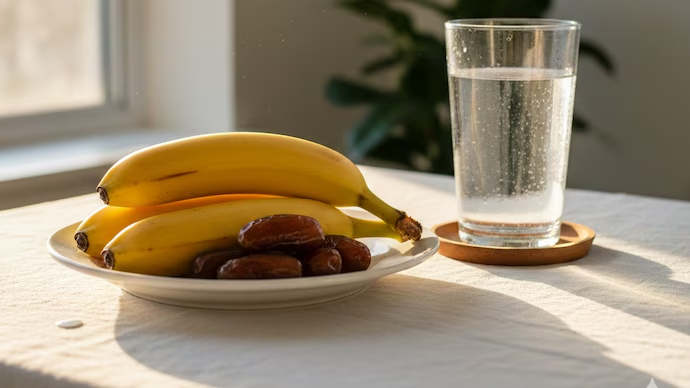
When it comes to quick, natural energy, two fruits often top the list: bananas and dates. Both are portable, naturally sweet, and packed with nutrients. But if you’re looking for the healthier option to boost your energy levels, which one truly delivers more power — and in a better way?
Let’s break it down.
The Energy Basics
Energy from food primarily comes from carbohydrates. Both bananas and dates are carbohydrate-rich fruits, meaning they provide fuel for your muscles and brain. However, the type and concentration of carbohydrates differ.

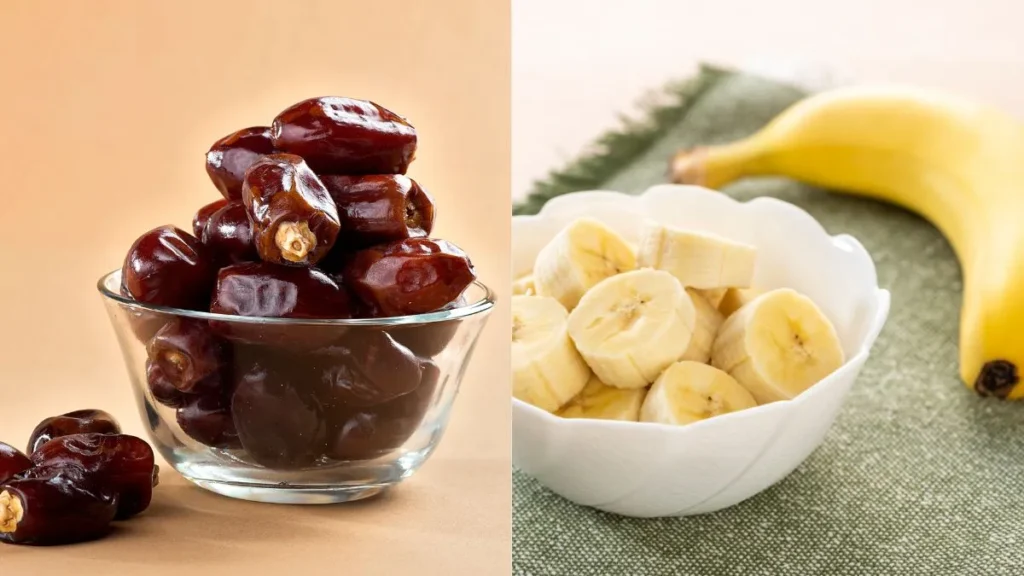
A medium banana contains about 27 grams of carbohydrates, including natural sugars (glucose, fructose, and sucrose) and fiber. In contrast, two Medjool dates — roughly one serving — contain around 36 grams of carbohydrates, most of which come from natural sugars.
This makes dates more calorie-dense and sugar-dense than bananas. If you need a rapid spike in energy — such as before an intense workout — dates may provide a quicker burst.
Blood Sugar and Sustained Energy
While dates contain more sugar, they also offer fiber, which helps moderate blood sugar spikes. However, bananas — especially slightly unripe ones — contain resistant starch. Resistant starch digests more slowly, leading to a steadier energy release.
For sustained energy without sharp crashes, bananas may have a slight advantage. They offer a balanced mix of fast and slow-digesting carbohydrates, making them ideal for mid-morning snacks or light pre-workout fuel.
Dates, on the other hand, are excellent for immediate energy demands. That’s why endurance athletes often use them during long runs or cycling sessions — they’re compact and quickly metabolized.
Micronutrient Comparison
Energy isn’t just about carbs; vitamins and minerals play a crucial role in how efficiently your body converts food into usable fuel.
Bananas are famous for their potassium content — about 400–450 mg per fruit. Potassium supports muscle function and helps prevent cramps, making bananas a favorite among athletes. They also contain vitamin B6, which aids in energy metabolism and brain function.
Dates also contain potassium, along with magnesium and iron. Iron is particularly important for oxygen transport in the blood, influencing energy levels. If someone is iron-deficient, dates may contribute slightly more toward addressing that gap.
Both fruits offer antioxidants, but dates tend to have higher concentrations due to their darker color and dense flesh.
Fiber and Digestion
Bananas provide around 3 grams of fiber per fruit, while two Medjool dates provide about 3–4 grams. Fiber slows digestion, stabilizes blood sugar, and supports gut health.
However, because dates are more concentrated, eating several at once can significantly increase sugar intake. Portion control is key. Bananas are naturally portion-sized, making them easier to consume in moderation.
Calorie Density and Weight Goals
If your goal is quick energy without too many calories, bananas are generally lighter. A medium banana contains roughly 100–110 calories. Two large dates can reach 130–150 calories.
For people trying to gain weight or needing higher caloric intake — such as endurance athletes — dates can be a powerful addition. For those watching calorie intake, bananas may be the more balanced everyday option.
Practical Use Cases
- Before a short workout: Banana for steady energy.
- During endurance exercise: Dates for quick sugar replenishment.
- Morning snack: Banana for balance and hydration.
- Post-workout recovery: Either works, especially paired with protein.
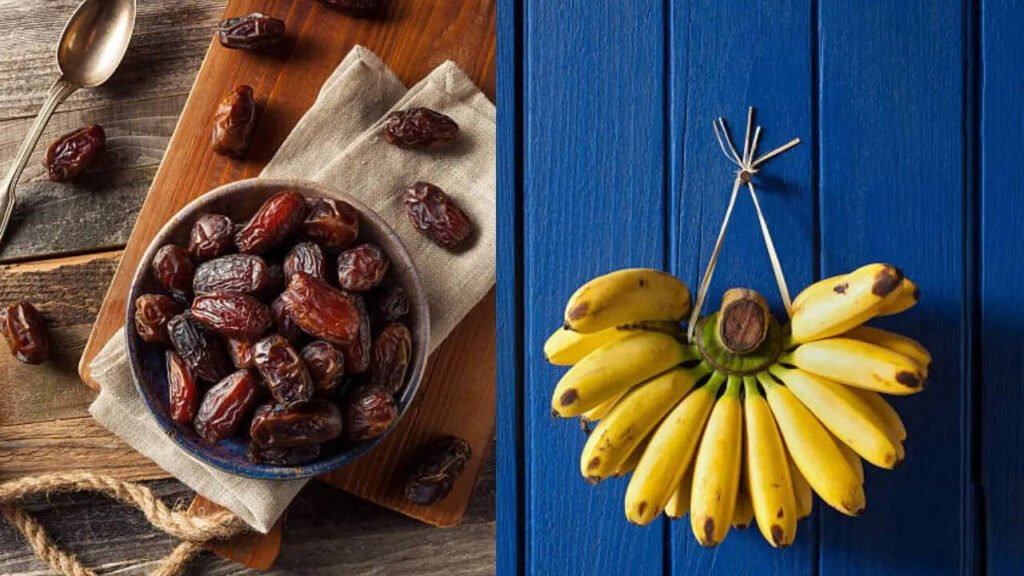
Hydration is another factor. Bananas contain more water than dates, making them slightly more refreshing and hydrating.
So, Which Is Healthier?
The answer depends on your goal.
If you want sustained, balanced energy with moderate sugar and strong electrolyte support, bananas may be the healthier everyday choice. They provide steady fuel, are easy to digest, and offer valuable potassium and B vitamins.
If you need a rapid energy boost, higher calorie density, or extra iron and antioxidants, dates shine. They’re nature’s energy bars — compact, sweet, and powerful.
Ultimately, both fruits are far healthier options than processed energy snacks or sugary drinks. They offer natural sugars bundled with fiber, vitamins, and minerals — a package that supports your body rather than overwhelming it.
Instead of choosing one over the other, many people benefit from including both in their diet at different times. Nature rarely gives us a single “winner.” In the banana vs. dates debate, the real victory is choosing whole foods that energize your body naturally and effectively.