







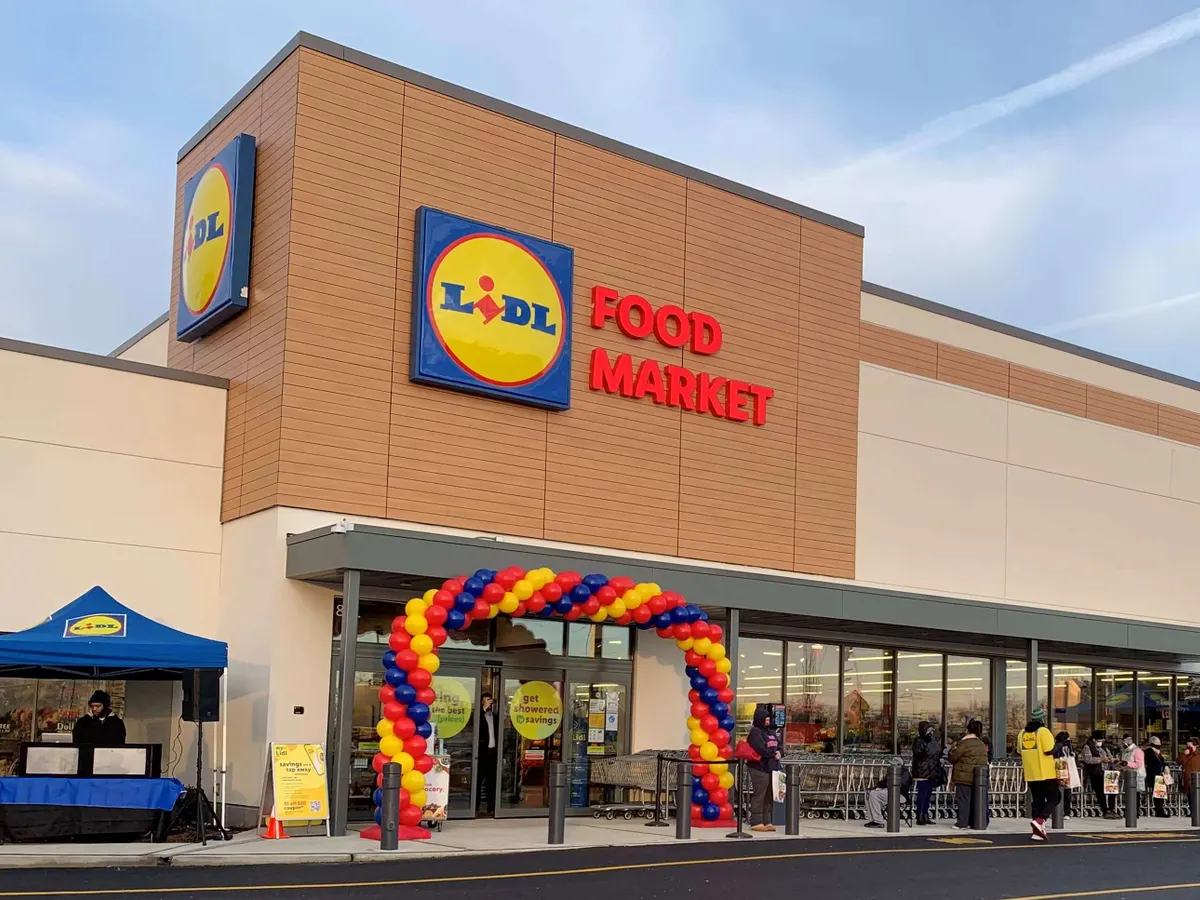
In a world where consumers are increasingly conscious about value, sustainability, and convenience, Lidl has emerged as a global retail powerhouse that strikes the perfect balance between affordability and quality. Originating from Germany, this supermarket chain has transformed from a small local store into one of the most influential names in global grocery retail, challenging traditional giants with its unique business model and customer-first philosophy.
1. The Origins of Lidl: From Local to Global
Lidl’s story began in the 1930s in Ludwigshafen, Germany, as a small wholesale grocery business. However, it wasn’t until the 1970s that the modern version of Lidl took shape. Inspired by the success of Aldi—another German discount chain—Lidl adopted a no-frills, high-efficiency retail approach, focusing on limited product selections, private labels, and cost-effective operations.

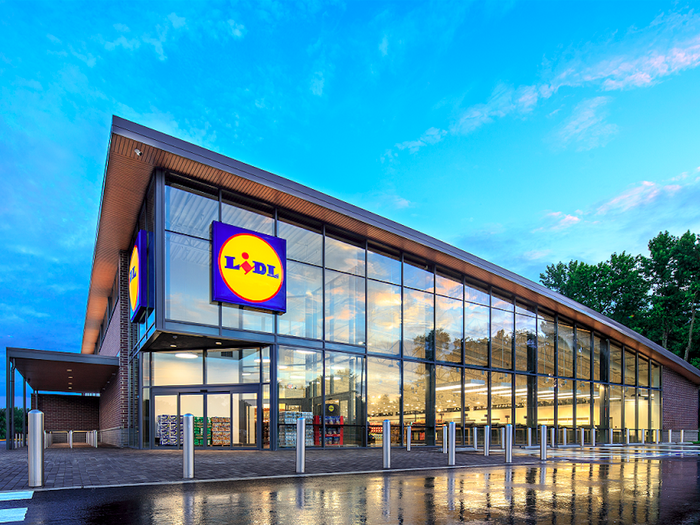
The company’s formula was simple but revolutionary: keep prices low by cutting unnecessary costs while maintaining strict quality control. This model quickly caught on, and Lidl began expanding beyond Germany during the 1990s. Today, the brand operates in over 30 countries across Europe, the United States, and beyond, with more than 12,000 stores worldwide.
2. The Lidl Model: Efficiency Meets Quality
At the heart of Lidl’s success is its efficient business structure. Instead of offering thousands of product variations like traditional supermarkets, Lidl focuses on a curated selection of around 2,000 products, most of which are private-label brands. This limited range streamlines logistics, reduces waste, and allows Lidl to negotiate better deals with suppliers.
Yet, Lidl’s commitment to quality remains unwavering. The company has invested heavily in quality testing, sustainable sourcing, and product innovation, ensuring that its in-house brands can compete with premium labels at a fraction of the price. Many of its private-label products have even won awards for taste and sustainability, proving that affordability doesn’t have to mean compromise.
3. Global Expansion and Local Adaptation
While Lidl’s roots are deeply German, its ability to adapt to local markets has been key to its global success. For example, in the United Kingdom, Lidl has become a beloved household name, known for its “Lidl Surprises” marketing campaigns and British-sourced produce. In the United States, where it launched in 2017, Lidl tailored its stores to fit American shopping habits, adding larger aisles, fresh bakeries, and a wider selection of local goods.
This balance between consistency and localization allows Lidl to maintain its identity as a global brand while respecting the preferences of each market it enters.
4. Commitment to Sustainability and Innovation
In recent years, Lidl has taken major strides toward sustainability and responsible retailing. The company has pledged to reduce plastic packaging, support fair trade products, and cut carbon emissions across its operations. Many Lidl stores now feature energy-efficient lighting, refrigeration, and solar power systems, reflecting the brand’s long-term commitment to environmental responsibility.
Lidl also leads the way in food waste reduction. Through partnerships with local charities and the use of “Too Good to Waste” produce boxes, the company ensures that surplus food finds use instead of ending up in landfills.
On the technology front, Lidl has embraced digital transformation with self-checkout systems, online promotions, and mobile shopping apps that enhance convenience for modern consumers.
5. The Lidl Shopping Experience
Stepping into a Lidl store feels refreshingly simple. The aisles are neatly organized, prices are clearly displayed, and weekly special offers—known as “Lidl Offers” or “Lidl Plus” deals—keep shoppers excited. These promotions often include non-grocery items like home goods, clothing, garden tools, and even electronics, making Lidl not just a supermarket but a one-stop shop for budget-conscious families.
The company’s ability to keep prices consistently low, while delivering high-quality products, has earned it a loyal customer base that spans demographics—from students and young families to retirees and professionals.
6. Lidl’s Role in the Future of Retail
As global retail evolves, Lidl’s model continues to set benchmarks for efficiency, sustainability, and value-driven shopping. The brand’s rapid growth shows that modern consumers appreciate transparency and practicality over unnecessary luxury. In an era of inflation and economic uncertainty, Lidl offers reassurance—a place where shoppers know they can find quality without overpaying.

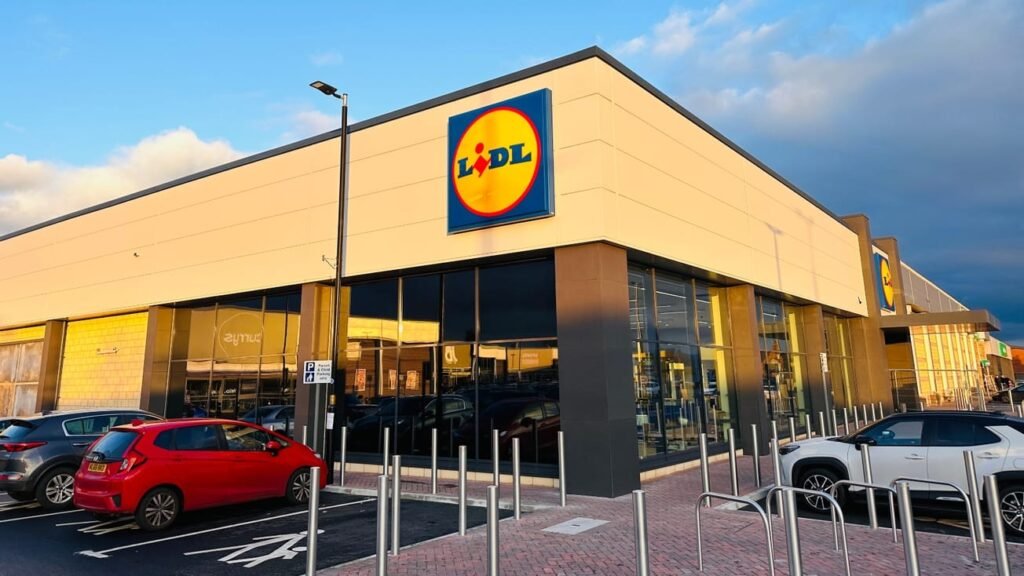
With plans to open hundreds of new stores in Europe and North America, Lidl’s influence shows no signs of slowing down. Its approach—lean operations, strong supplier partnerships, and community engagement—represents the future of smart retailing.
Conclusion: Quality for Everyone
Lidl’s rise is more than just a business success story—it’s a symbol of how innovation and integrity can redefine global retail. By staying true to its mission of offering “quality for everyone,” Lidl has bridged the gap between affordability and excellence.
From Germany’s neighborhoods to bustling cities across the world, Lidl continues to prove that good food, sustainable choices, and fair prices can go hand in hand. It’s not just a discount store—it’s a modern retail revolution that reminds us that great value never goes out of style.


