







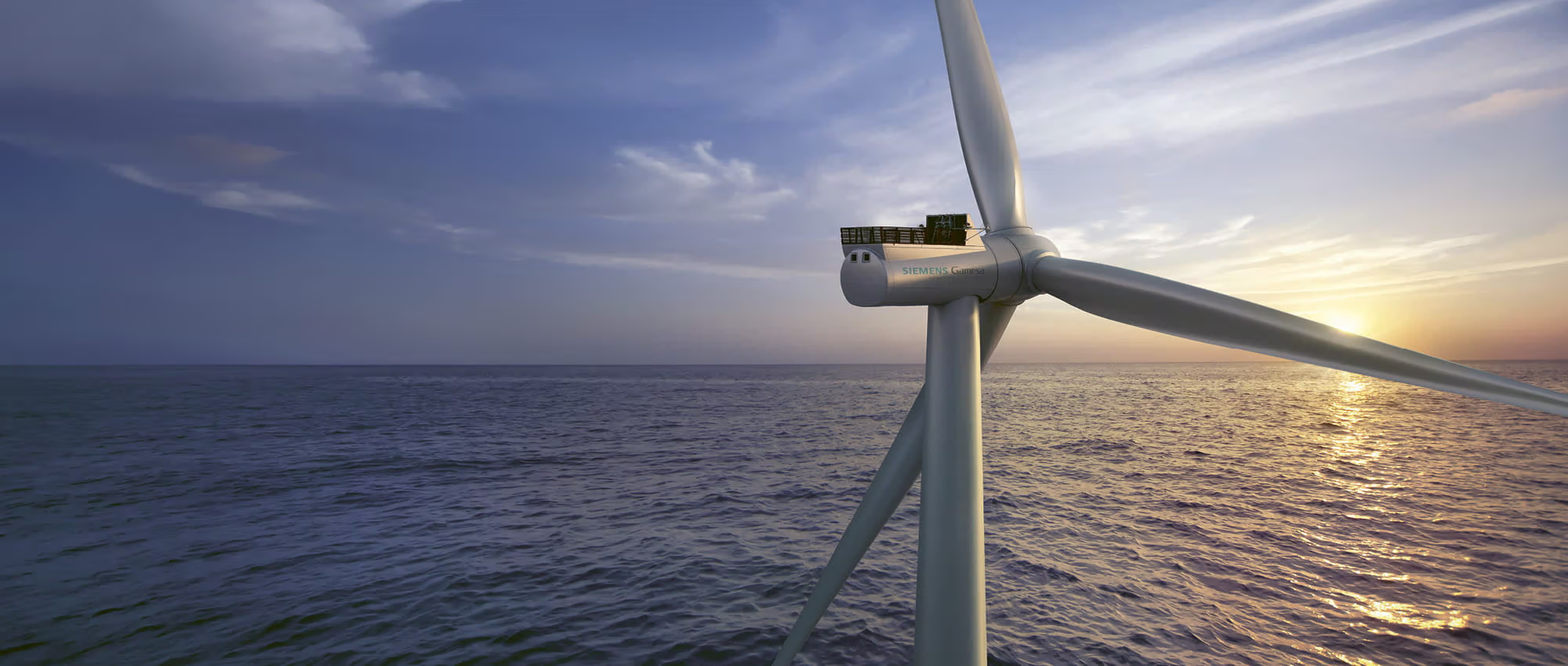
As the world races toward clean energy solutions, wind power has moved far beyond land and shallow coastal waters. One of the most striking innovations in this shift is the floating wind turbine—an engineering marvel that looks almost unreal when seen rising from the open sea. These turbines are enormous, often dwarfing ships nearby, and their size is no accident. Floating wind turbines are massive because they have to be, designed to survive harsh ocean environments while producing large amounts of renewable energy.
So what exactly makes floating wind turbines so huge? The answer lies in physics, energy efficiency, ocean conditions, and engineering challenges unique to deep water.
1. Bigger Blades Mean More Power
The most visible reason floating wind turbines are massive is their blade size. Wind energy depends on the area swept by the blades—the larger the sweep, the more wind can be captured. Offshore winds are stronger and more consistent than those on land, and large blades allow turbines to take full advantage of this resource.

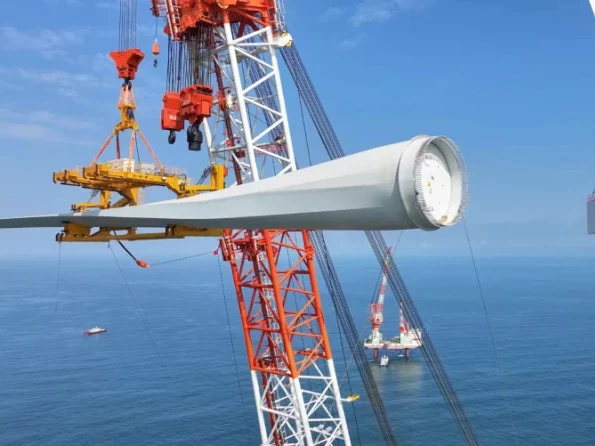
Modern floating wind turbine blades can exceed 100 meters in length. Each rotation captures vast amounts of kinetic energy, which translates into higher electricity output. Smaller turbines would simply not generate enough power to justify the high cost of offshore installation and maintenance.
2. Tower Height Reaches Stronger Winds
Floating wind turbines are built tall to reach higher-altitude winds, which are faster and more stable than winds closer to the sea surface. The taller the tower, the more consistent the energy production.
However, height adds weight and increases structural stress. To counter this, floating turbines require thick, reinforced towers capable of withstanding both wind forces above and wave forces below. The result is a towering structure that looks oversized but is carefully balanced for performance and safety.
3. Massive Floating Foundations Are Essential
Unlike fixed-bottom turbines anchored to the seabed, floating turbines rely on buoyant platforms. These platforms—often larger than football fields—are what truly make floating wind turbines massive.
There are several foundation types, including spar-buoy, semi-submersible, and tension-leg platforms. All of them must provide stability in constantly moving water. To do this, they use heavy materials, wide bases, and deep drafts. Some foundations extend dozens of meters below the surface to lower the center of gravity and prevent tipping.
Without these large floating bases, the turbines would sway uncontrollably or risk capsizing in strong waves.
4. Ocean Conditions Demand Strength
The open ocean is an unforgiving environment. Floating wind turbines must endure powerful winds, towering waves, saltwater corrosion, and storms that can last for days. Size adds strength. Larger structures distribute stress more effectively and can absorb extreme forces without failure.
Additionally, floating turbines must remain stable even as waves and currents constantly shift beneath them. Their sheer mass helps dampen motion, reducing fatigue on critical components like the blades, tower, and electrical systems.
5. Long-Term Efficiency Justifies the Scale
Building anything offshore is expensive. Transporting components, assembling turbines at sea, and maintaining them over decades all come with high costs. To make floating wind farms economically viable, each turbine must produce a significant amount of electricity.
Large turbines generate more power per unit, meaning fewer installations are needed to supply the same amount of energy. This reduces overall infrastructure, maintenance trips, and environmental disturbance. In this context, bigger is not just better—it is necessary.
6. Future-Proof Energy Infrastructure
Floating wind turbines are designed with the future in mind. As energy demand grows and coastal space becomes limited, deep-water wind farms will play a major role in global power systems. Their massive size allows them to connect to high-capacity grids and support industrial-scale energy needs.

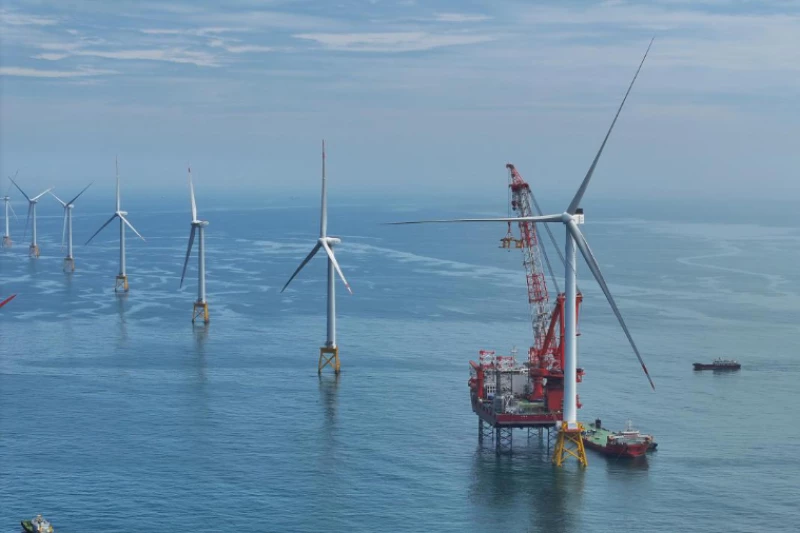
Engineers also design these turbines to last 25 to 30 years or more. That longevity requires robust materials and oversized components that can endure decades of motion and stress.
Conclusion
Floating wind turbines are massive because the ocean demands it. From giant blades and towering heights to enormous floating foundations, every oversized element serves a purpose—capturing more energy, ensuring stability, and surviving one of the harshest environments on Earth.
Far from being excessive, their size represents efficiency, resilience, and ambition. Floating wind turbines are not just machines; they are giants of the clean energy future, proving that sometimes the only way forward is to build bigger, stronger, and smarter.


