










Fashion is no longer just about appearance—it is increasingly about how clothing makes people feel. The rise of wellness fashion reflects a broader cultural shift toward health, mindfulness, and holistic living. Today’s consumers are seeking garments that support physical comfort, freedom of movement, and even emotional well-being. From soft fabrics and ergonomic designs to mood-enhancing colors and adaptive features, wellness fashion is transforming everyday wardrobes into tools that promote both body and mind health.
At the core of wellness fashion is comfort-driven design. Many brands are moving away from restrictive silhouettes and stiff materials in favor of breathable, stretchable fabrics that adapt to natural body movement. Lightweight knits, organic cotton, bamboo blends, and moisture-wicking materials are becoming staples in modern clothing collections. These fabrics help regulate body temperature, reduce irritation, and make it easier for people to transition seamlessly between work, relaxation, and physical activity without changing outfits.

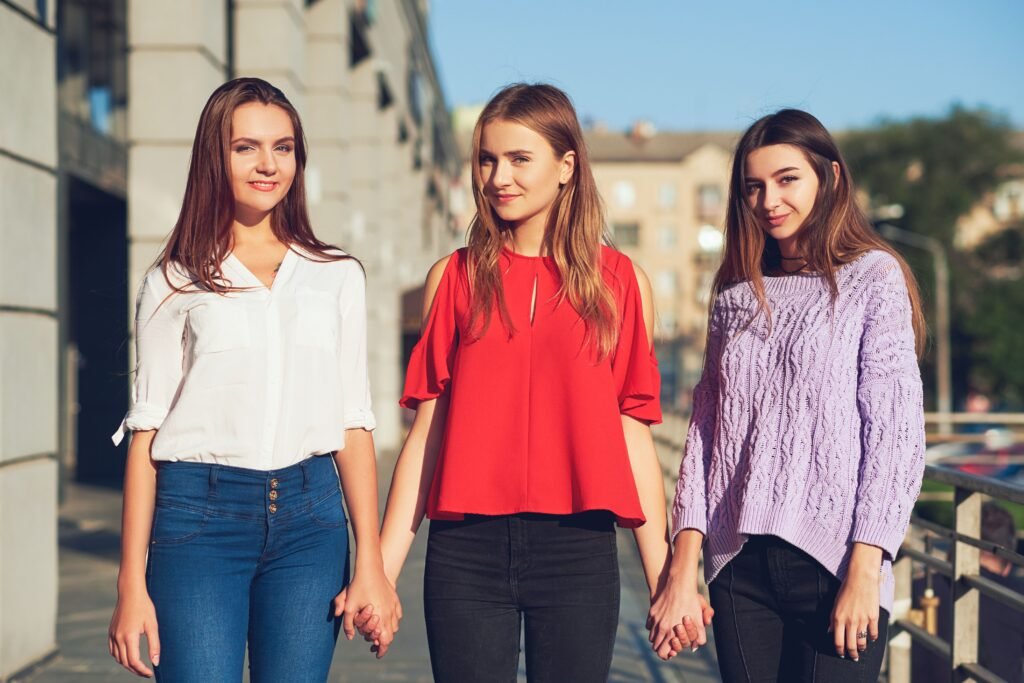
Movement is another key focus of this trend. Inspired by activewear and athleisure, wellness fashion incorporates flexible cuts, ergonomic stitching, and multi-functional features that encourage mobility throughout the day. Whether someone is working at a desk, walking through the city, or practicing yoga, clothing designed for movement supports an active lifestyle without compromising style. Hidden stretch panels, adjustable waistbands, and wrinkle-resistant materials allow individuals to stay comfortable and confident in a variety of settings.
Mental health and emotional well-being are also influencing fashion design. Studies suggest that clothing can affect mood, self-confidence, and overall mental state. As a result, many wellness-focused brands pay close attention to color psychology and tactile experiences. Soft textures, calming pastel shades, and earthy tones are often chosen to promote relaxation and reduce stress. Some collections even incorporate weighted fabrics or gentle compression to create a comforting, grounding sensation similar to therapeutic blankets.
The concept of sensory-friendly clothing is gaining popularity as part of the wellness fashion movement. Designed especially for individuals with sensory sensitivities, these garments feature tagless labels, flat seams, and soft materials that minimize discomfort. However, sensory-friendly designs are not limited to specific communities—they appeal to anyone seeking clothing that feels soothing and irritation-free. By prioritizing comfort at every level, wellness fashion encourages inclusivity and accessibility.
Technology is also playing a growing role in this evolving style category. Smart textiles capable of monitoring heart rate, posture, or stress levels are emerging as innovative tools for health-conscious consumers. Some brands are experimenting with garments that track physical activity or provide gentle reminders to move and stretch. While still in early stages, wearable technology has the potential to blend seamlessly with everyday fashion, supporting wellness goals without requiring additional devices.
Sustainability is another pillar of wellness fashion. Many consumers view personal well-being and environmental health as interconnected. Brands are responding by using eco-friendly materials, ethical production methods, and transparent supply chains. Choosing sustainable fabrics not only reduces environmental impact but often results in softer, more natural-feeling garments that enhance comfort. This alignment between personal health and planetary responsibility strengthens the overall appeal of wellness-focused clothing.
Work-from-home culture and changing lifestyles have also accelerated the popularity of wellness fashion. As people seek balance between productivity and relaxation, clothing that feels comfortable yet presentable has become essential. Relaxed tailoring, soft blazers, knit trousers, and hybrid garments designed for both professional and casual settings allow individuals to move through their day with ease. The boundary between loungewear and workwear continues to blur, reflecting modern priorities centered around well-being.
Social media and digital communities have helped amplify the wellness fashion movement by encouraging conversations around self-care, body positivity, and mindful consumption. Influencers and designers alike promote the idea that clothing should support individuality and mental health rather than impose unrealistic standards. This cultural shift encourages people to choose pieces that align with how they want to feel rather than simply following fast-changing trends.

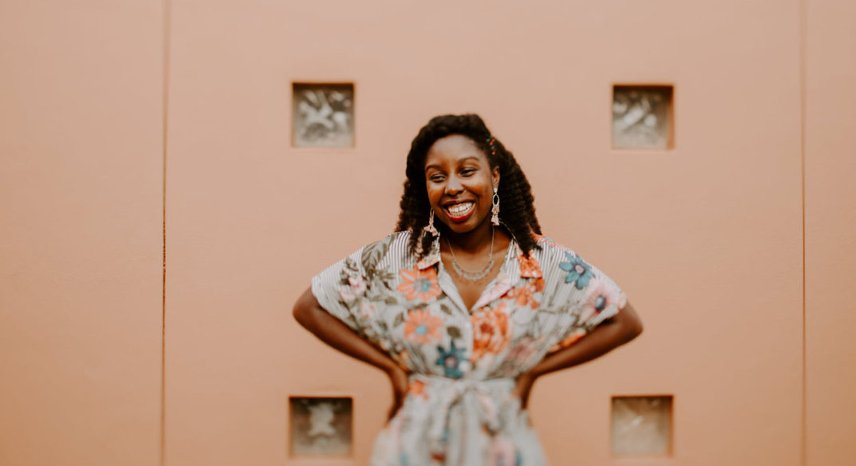
Ultimately, wellness fashion represents a powerful evolution in the way people think about clothing. Instead of focusing solely on aesthetics, this approach prioritizes comfort, movement, and emotional balance. By combining thoughtful design, innovative materials, and holistic values, wellness fashion allows individuals to express personal style while supporting their overall health.
As the fashion industry continues to adapt to changing lifestyles and growing awareness of mental and physical well-being, feel-good fashion is likely to become more than just a trend—it may redefine the future of everyday style, proving that clothing can be both beautiful and beneficial for the body and mind.


