









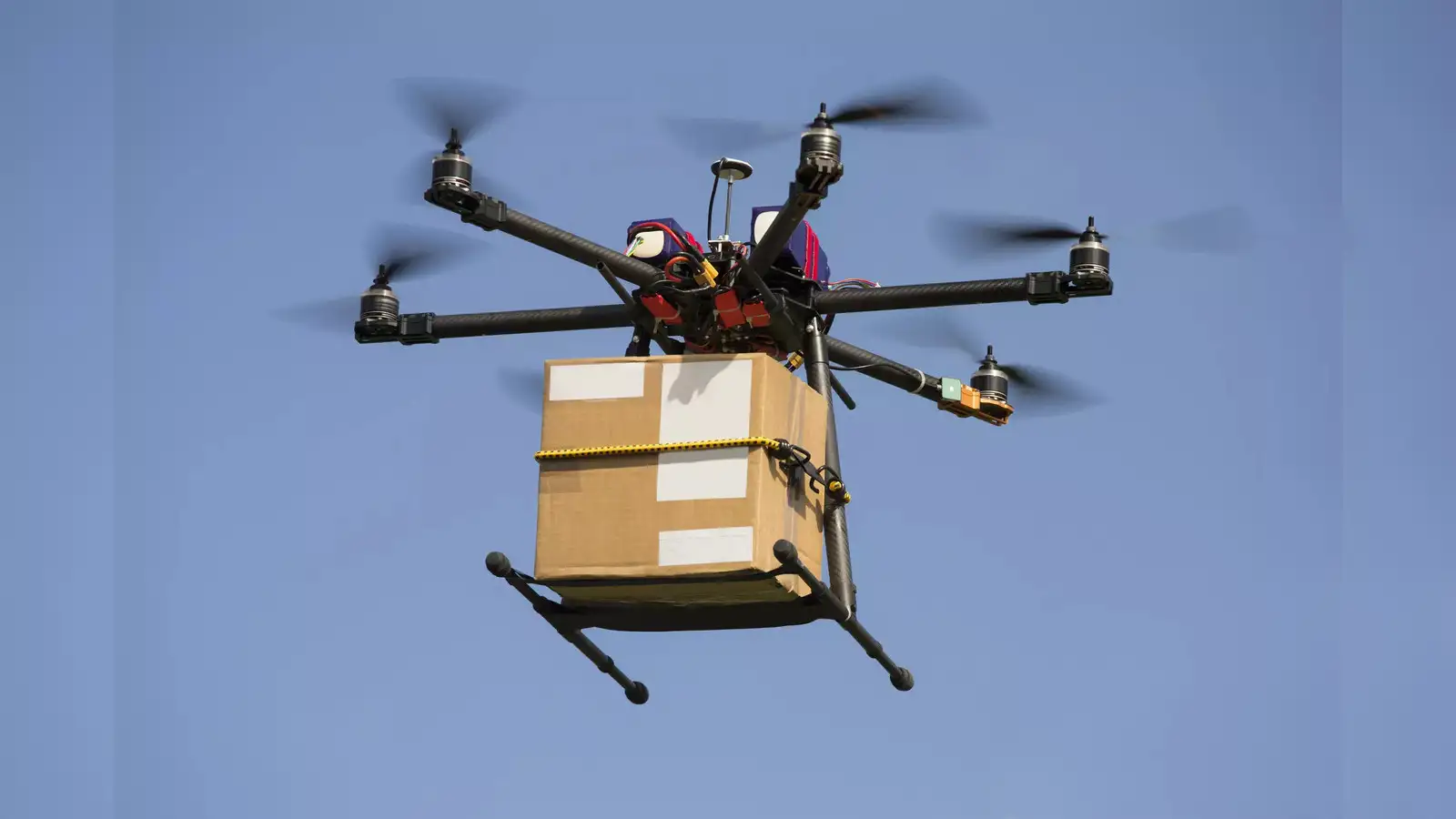
The sight of small drones buzzing overhead has shifted from science fiction to reality. Once associated primarily with military operations or hobbyist photography, drones are now being tested for a far more practical use: package delivery. Companies like Amazon, Google’s Wing, and UPS are at the forefront of experimenting with drone delivery services, promising faster shipping, reduced road congestion, and lower carbon emissions. But while the technology is exciting, the bigger question remains—are drone delivery services truly ready for mainstream adoption?
The Promise of Drone Delivery
The potential benefits of drone-based logistics are vast. Imagine ordering medicine, groceries, or even a forgotten phone charger and having it arrive at your doorstep in under 30 minutes. Drones can bypass traffic, take direct aerial routes, and reduce dependency on trucks for small deliveries. For rural or hard-to-reach areas, drones could provide essential lifelines, transporting critical medical supplies or food with speed and precision.

Additionally, drone deliveries are eco-friendly compared to traditional vans and trucks. By reducing the number of short-distance road trips, carbon footprints can be minimized. For companies, this also means lower delivery costs over time, potentially translating into cheaper and more efficient services for consumers.
Technological Progress
The last decade has seen significant improvements in drone technology. Batteries now last longer, payload capacity has increased, and GPS navigation is more accurate. Modern drones are equipped with collision-avoidance sensors, real-time tracking systems, and AI-driven navigation that adapts to changing environments.
Amazon’s Prime Air program has already conducted successful test flights in the U.S. and the U.K., delivering lightweight packages within minutes. Google’s Wing has made tens of thousands of successful deliveries in Australia and Finland, showcasing scalability. UPS, meanwhile, is using drones for medical supply deliveries between hospitals in the U.S.
These advancements show that the technology is no longer experimental—it’s functional and rapidly improving.
The Challenges Ahead
Despite the progress, drone delivery faces a range of obstacles before it can be considered mainstream.
- Regulatory Barriers: Aviation authorities like the U.S. Federal Aviation Administration (FAA) or Europe’s EASA have strict rules about drones flying beyond the visual line of sight. For wide-scale adoption, global regulators must create frameworks that balance innovation with safety.
- Safety Concerns: While drones are equipped with collision-avoidance technology, risks remain. What happens if a drone malfunctions and falls onto a busy street? Ensuring reliability in all weather conditions—rain, wind, snow—is still a challenge.
- Privacy Issues: Widespread drone use could raise concerns about constant surveillance. People may be uncomfortable with drones flying over neighborhoods, equipped with cameras and sensors.
- Infrastructure Needs: Cities would require designated “drone highways,” landing pads, and safe drop-off points. Without supportive infrastructure, deliveries could be chaotic and unsafe.
- Public Perception: While some may welcome the convenience, others might resist the noise, visual pollution, or the perceived loss of jobs for human delivery drivers.
Early Signs of Adoption
Despite these hurdles, drone delivery is slowly entering public life. In certain U.S. states, Walmart has partnered with DroneUp to deliver items under 10 pounds in less than 30 minutes. In Rwanda and Ghana, drones from Zipline are already delivering blood, vaccines, and medical supplies to remote regions with remarkable success.
These real-world use cases highlight a pattern: while mass consumer adoption may take longer, niche applications—especially in healthcare, disaster relief, and rural logistics—are already thriving.
What the Future Holds
It’s clear that drone delivery will not replace trucks, vans, or couriers entirely in the near future. Instead, drones will complement existing systems, specializing in urgent, lightweight, and short-distance deliveries. The most likely scenario is a hybrid logistics network where drones handle last-mile delivery in specific zones while traditional vehicles cover larger bulk shipments.

In the next five to ten years, expect more pilot programs in urban areas, especially as regulations adapt. Technological advances will make drones quieter, safer, and capable of carrying heavier loads. With rising demand for instant deliveries, especially in e-commerce and healthcare, drones could become a common sight in our skies sooner than we think.
Conclusion
So, are drone delivery services ready for mainstream adoption today? Not quite. While the technology is advanced enough to make it possible, regulatory, safety, and infrastructure challenges still stand in the way. However, the momentum is undeniable. With growing pilot projects, strong corporate investment, and increasing consumer demand for speed and convenience, drone deliveries are no longer a distant dream.
Mainstream adoption may not happen overnight, but the path is clear: drones are steadily carving out their place in the future of logistics. And when the skies finally open up for them, the way we think about delivery will never be the same.


