







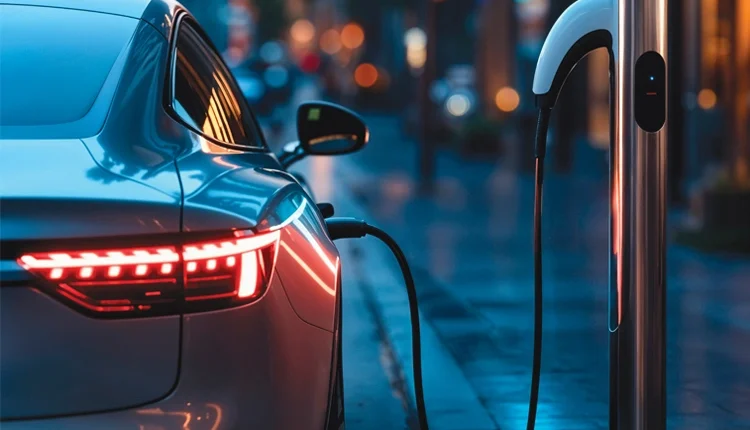
The global automotive industry is undergoing one of the most significant transformations in its history. Electric vehicles (EVs), once considered a niche innovation, are now rapidly becoming mainstream. Governments, manufacturers, and consumers alike are accelerating the shift toward cleaner transportation, reshaping how the world thinks about mobility.
The expansion of electric vehicles is not just about new cars on the road — it represents a broader transition toward sustainability, technology integration, and energy independence.
The Push Toward Sustainability
Climate change concerns and stricter emissions regulations have played a major role in EV growth. Traditional internal combustion engine vehicles contribute significantly to greenhouse gas emissions. In response, many countries have introduced ambitious targets to reduce carbon output and phase out petrol and diesel vehicles over the coming decades.

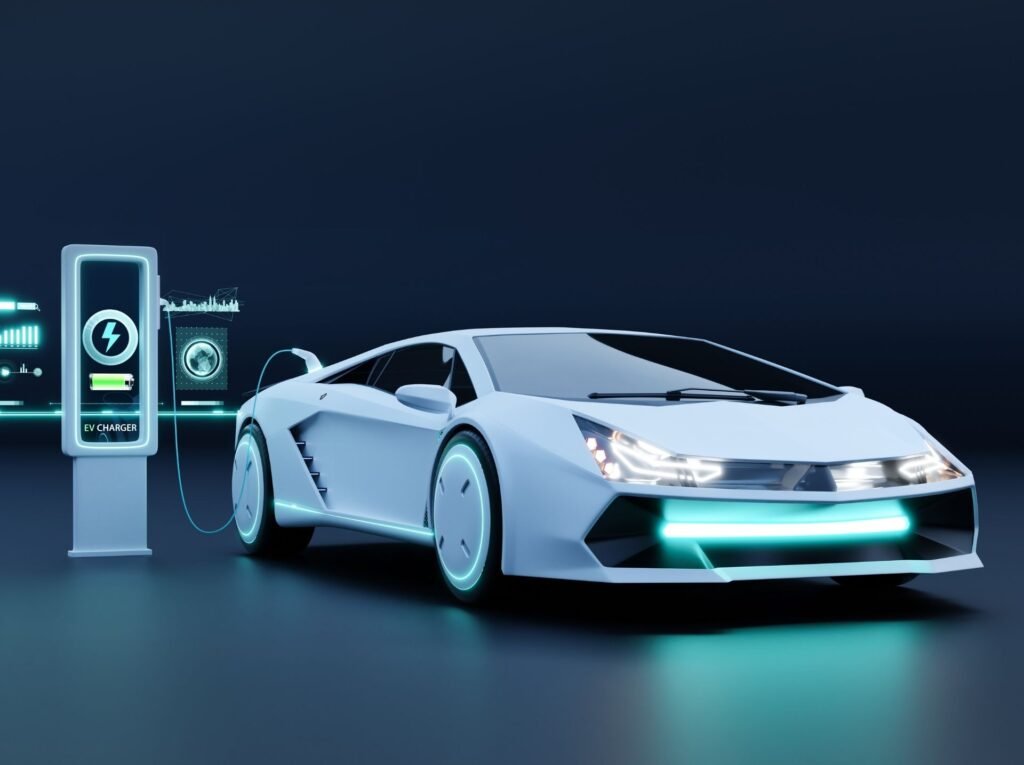
Electric vehicles produce zero tailpipe emissions, making them a cleaner alternative in urban environments. As renewable energy sources such as solar and wind power continue to expand, charging EVs with green electricity further reduces their environmental footprint.
This environmental urgency has pushed governments to offer incentives like tax credits, subsidies, and reduced registration fees to encourage adoption.
Falling Costs and Better Technology
In the early days, electric vehicles were often criticized for high prices and limited driving range. However, rapid advancements in battery technology have significantly improved performance while lowering costs.
Lithium-ion batteries have become more efficient, enabling modern EVs to travel 300 to 500 kilometers or more on a single charge. At the same time, battery prices have steadily declined due to increased production and innovation.
Major automakers have committed billions of dollars to EV research and development. Companies are launching new electric models across various price segments — from compact city cars to luxury SUVs and high-performance sports vehicles.
As production scales up, economies of scale are expected to make EVs even more affordable in the coming years.
Charging Infrastructure Expansion
One of the biggest challenges to widespread EV adoption has been charging infrastructure. Range anxiety — the fear of running out of battery without access to a charging station — remains a concern for many drivers.
To address this, governments and private companies are investing heavily in charging networks. Fast-charging stations are being installed along highways, in city centers, and at residential complexes. Some chargers can replenish up to 80% of a battery in less than 30 minutes.
Home charging solutions have also become more accessible. Many EV owners install wall-mounted chargers in their garages, allowing them to recharge overnight conveniently.
The expansion of charging infrastructure is a critical pillar supporting EV growth.
Economic and Industrial Impact
The rise of electric vehicles is reshaping global supply chains. Demand for battery materials such as lithium, cobalt, and nickel has surged, leading to new mining projects and recycling initiatives.
Automakers are building large-scale battery manufacturing facilities, often referred to as gigafactories. These facilities create jobs and stimulate local economies while reducing reliance on imported components.
At the same time, the transition to EVs presents challenges for traditional automotive workers. Internal combustion engines require more mechanical components than electric drivetrains, which could impact certain manufacturing roles. As a result, retraining and workforce adaptation are becoming essential.
Consumer Mindset Shift
Consumer attitudes toward electric vehicles have evolved dramatically. Early adopters were often motivated by environmental concerns or interest in cutting-edge technology. Today, a broader range of buyers are considering EVs for practical reasons, including lower fuel costs and reduced maintenance.
Electric vehicles have fewer moving parts than traditional cars, meaning fewer oil changes and less mechanical wear. Over time, this can translate into lower ownership costs.

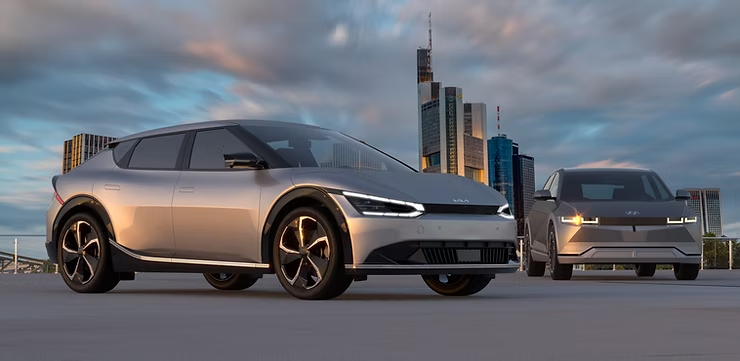
Additionally, EVs offer instant torque and smooth acceleration, delivering a driving experience that many drivers find appealing.
The Road Ahead
Despite impressive growth, challenges remain. Battery recycling, grid capacity, and equitable access to charging infrastructure must be addressed to ensure sustainable expansion. Policymakers must balance environmental goals with economic realities.
Nevertheless, the trajectory is clear. Electric vehicles are no longer an experimental concept; they are becoming a defining feature of modern transportation.
As technology advances, costs decline, and infrastructure expands, the global shift toward electric mobility appears irreversible. The road ahead may include obstacles, but the momentum behind electric vehicle expansion suggests that the future of driving will be cleaner, smarter, and more connected than ever before.


