







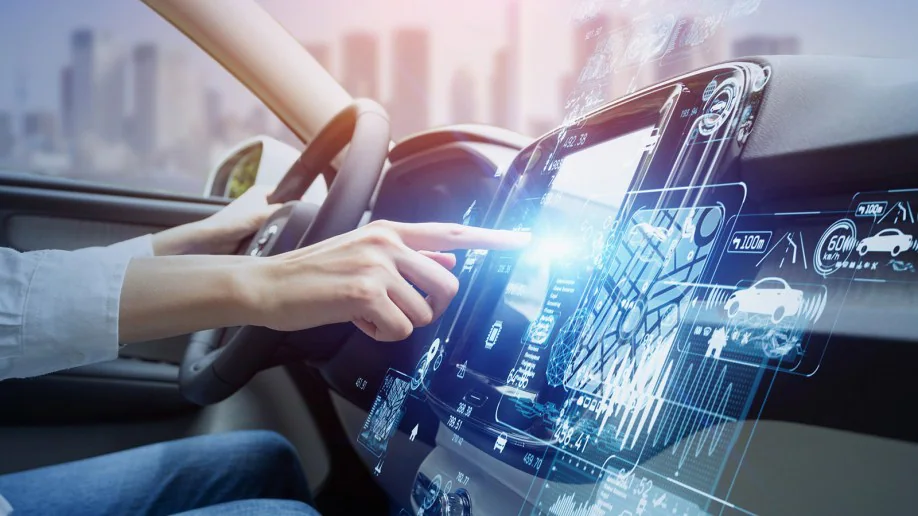
The automotive world has always been a hub of innovation, from Henry Ford’s assembly line to today’s self-driving prototypes. But in the last decade, car technology has accelerated faster than ever before, shaping how we drive, how we connect, and even how we think about owning vehicles. From electric cars to AI-powered safety systems, technology is redefining mobility in ways that once belonged only to science fiction.
Electric Cars: The Silent Revolution
Perhaps the biggest technological shift in the auto industry is the rise of electric vehicles (EVs). Companies like Tesla, Hyundai, and Ford are leading the charge, creating EVs that are not only sustainable but also powerful and stylish. With governments pushing for greener policies, charging infrastructure expanding, and battery technology improving, EVs are moving closer to mainstream adoption.


The real marvel lies in the battery technology. Modern EVs can travel hundreds of miles on a single charge, and fast-charging networks are cutting down recharge times drastically. Some models even support vehicle-to-grid technology, allowing cars to supply electricity back to homes or power grids—a glimpse into a sustainable future.
Autonomous Driving: From Assist to Self-Driving
Self-driving cars may not yet be fully mainstream, but the progress in autonomous driving technology is undeniable. Advanced driver-assistance systems (ADAS), already available in many vehicles, include adaptive cruise control, automatic emergency braking, lane-keeping assist, and parking automation.
Companies like Waymo, Tesla, and Mercedes-Benz are testing cars that can handle most driving tasks under specific conditions. While fully autonomous cars still face challenges such as regulation, infrastructure, and safety validation, the day when cars can drive themselves with little to no human intervention is closer than ever.
Connectivity on Wheels
Cars are no longer just mechanical machines—they are turning into smart devices on wheels. Most new vehicles now come with built-in connectivity, offering seamless integration with smartphones through Apple CarPlay and Android Auto. This allows drivers to use navigation apps, make calls, or stream music safely.
Beyond entertainment, connectivity is improving vehicle-to-vehicle (V2V) and vehicle-to-infrastructure (V2I) communication. Imagine a future where your car can warn you of an accident ahead, adjust its speed for smoother traffic flow, or receive live updates from road signals. These connected systems could drastically reduce accidents and congestion while making driving more efficient.
Safety Through Innovation
Safety has always been at the heart of car innovation, but today’s smart safety features are setting new standards. Cars can now “see” with the help of sensors, radar, and cameras, giving drivers 360-degree awareness. Blind-spot detection, pedestrian recognition, and driver fatigue monitoring are just some of the tools that prevent accidents before they happen.
Some cars even use AI to predict potential collisions, while others deploy emergency braking automatically if the driver doesn’t react in time. These technologies are saving lives and making the road safer for everyone, from drivers to pedestrians.
The Role of Artificial Intelligence
AI is becoming the brain behind car technology. It powers navigation systems that adapt to traffic in real time, personalizes in-car experiences by learning driver preferences, and even manages energy consumption in EVs. AI also plays a central role in autonomous driving, processing massive amounts of data from sensors to make split-second decisions.
In luxury cars, AI is enhancing the driver experience with voice assistants, predictive maintenance alerts, and even mood-based cabin lighting. What once sounded futuristic is now becoming standard.
The Future of Car Tech
Looking ahead, the future of car technology seems limitless. Augmented reality dashboards are already being tested, overlaying navigation arrows directly onto the windshield for easier driving. Hydrogen fuel cells may offer an alternative to batteries, creating zero-emission cars with faster refueling times. And the growing use of sustainable, recycled materials in interiors is reshaping car design for eco-conscious consumers.

Ownership itself may also change. With the rise of ride-sharing, subscription services, and autonomous vehicles, many people may choose not to own a car at all. Instead, cars could become a shared mobility service—summoned when needed and powered by cutting-edge tech.
Final Thoughts
Car technology is evolving at an unprecedented pace, merging engineering, software, and sustainability into a single ecosystem. From electric engines and AI-driven safety features to self-driving systems and connected networks, the automobile is no longer just a mode of transport—it’s a smart companion.
The road ahead promises cleaner, safer, and smarter cars. And while we may not yet live in a world where every car drives itself, we are certainly cruising toward that future.


