









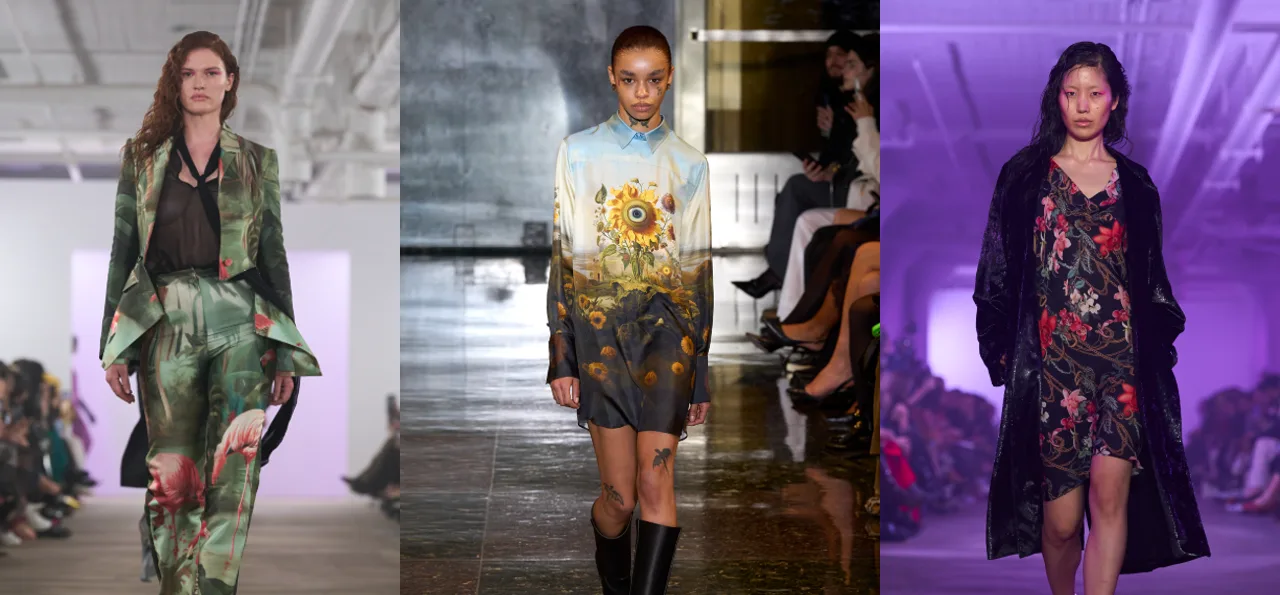
Artificial intelligence is rapidly transforming the fashion industry, from predictive trend analysis to virtual try-ons and automated design tools. Among the most talked-about developments is AI-generated fashion design, where algorithms create clothing concepts, patterns, and even complete collections. While some view this technology as a revolutionary tool that expands creative possibilities, others question its impact on originality, employment, and artistic integrity. As AI becomes more deeply integrated into fashion, the conversation around creativity versus controversy continues to grow.
One of the most exciting aspects of AI-generated fashion is its ability to inspire new ideas. Designers can input specific themes, colors, or cultural influences into AI systems and receive hundreds of design variations within minutes. This process accelerates brainstorming and helps designers explore unconventional combinations that might not have emerged through traditional methods. For emerging brands or independent creators, AI tools can offer affordable access to advanced design experimentation without requiring large teams or extensive resources.

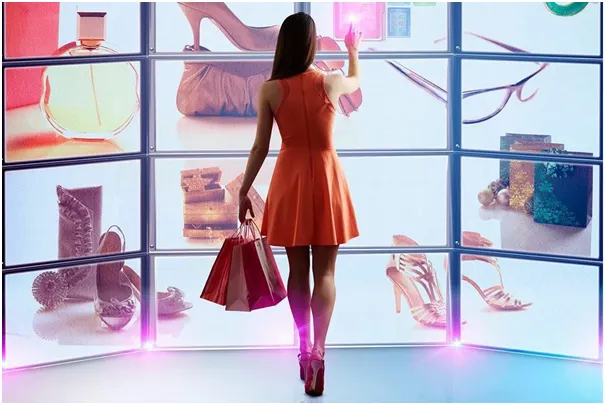
AI also plays a significant role in improving efficiency. Fashion companies can use machine learning algorithms to analyze consumer preferences, seasonal trends, and historical sales data. This information helps designers create collections that align with market demand while reducing waste from unsold inventory. Rapid prototyping, virtual sampling, and digital pattern-making powered by AI allow brands to test ideas quickly and minimize material usage during the design phase. In an industry often criticized for overproduction, these innovations can support more sustainable practices.
However, the rise of AI-generated designs has sparked controversy regarding creativity and authorship. Critics argue that relying heavily on algorithms may dilute the role of human imagination and craftsmanship. Since AI systems are trained on existing designs and datasets, questions arise about originality and intellectual property. Some designers worry that AI-generated concepts may unintentionally replicate or borrow elements from past collections without proper acknowledgment, leading to ethical and legal challenges.
Another concern involves the potential impact on fashion industry jobs. Traditional roles such as illustrators, pattern makers, and junior designers could face disruption if companies rely heavily on automated design tools. While AI may streamline certain tasks, it also raises questions about whether human artistry and hands-on expertise will be undervalued. Advocates of technology argue that AI should be viewed as a collaborative partner rather than a replacement, allowing designers to focus on storytelling, craftsmanship, and creative direction while automation handles repetitive processes.
The integration of AI into fashion also introduces exciting opportunities for personalization. Advanced algorithms can generate custom clothing designs based on an individual’s preferences, body measurements, and style history. This level of customization has the potential to revolutionize how consumers shop, shifting fashion away from mass production toward more tailored and meaningful experiences. Digital avatars and virtual fashion shows further expand creative expression, allowing designers to showcase imaginative designs that might be difficult or expensive to produce physically.
Ethical considerations extend beyond creativity and labor to cultural sensitivity and representation. Because AI models learn from existing data, they may unintentionally reinforce biases or overlook diverse cultural perspectives. Designers and developers must carefully curate datasets and include diverse voices to ensure that AI-generated fashion reflects a wide range of identities and traditions. Transparency in how AI tools are used can also help build trust among consumers who may feel uncertain about the authenticity of algorithm-driven designs.
Despite the debates, many fashion houses are already incorporating AI into their creative workflows. Luxury brands, fast-fashion companies, and independent designers are experimenting with digital garments, virtual influencers, and AI-assisted collections. These collaborations demonstrate that technology and creativity are not mutually exclusive but can complement one another when used thoughtfully.

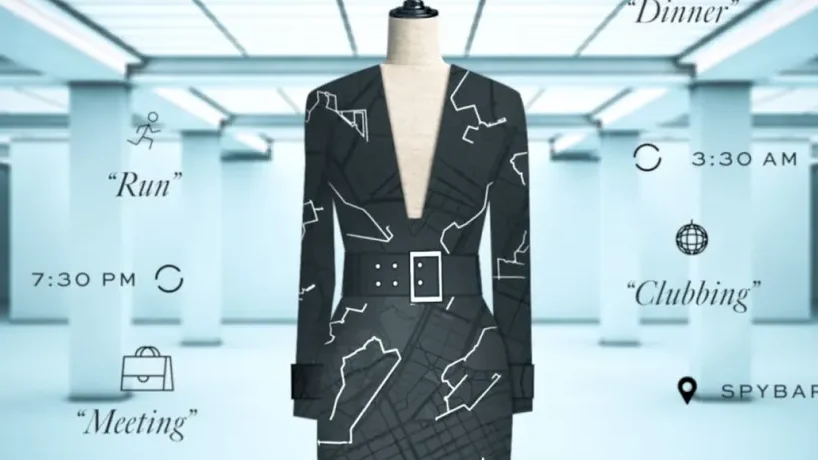
Ultimately, the question of whether AI-generated fashion represents creativity or controversy may depend on how the industry chooses to embrace it. When used as a tool to enhance human imagination, AI can open doors to new forms of artistic expression and sustainable production. However, ethical concerns around originality, employment, and cultural representation must be addressed to ensure responsible innovation.
As technology continues to evolve, the future of fashion will likely be shaped by a balance between human creativity and digital intelligence. By combining artistic vision with technological advancements, designers have the opportunity to redefine what fashion can be—blending tradition, innovation, and individuality into a new era of style shaped by both code and couture.


