







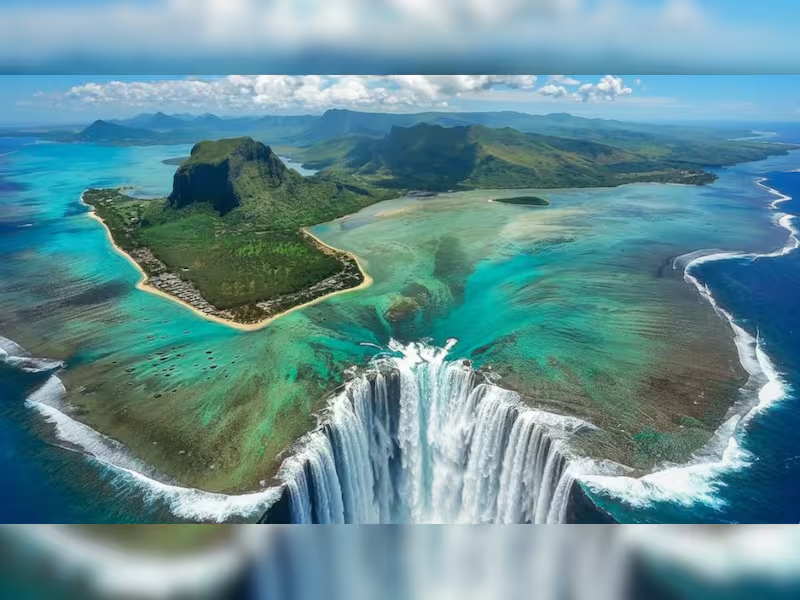
Most people imagine towering cascades like Niagara or Victoria Falls when they hear the word “waterfall.” But the biggest waterfall on our planet isn’t surrounded by cliffs or forests — it’s hidden deep beneath the ocean’s surface. Known as the Denmark Strait Cataract, this massive underwater cascade is not only larger than any waterfall on land — it’s also one of the most fascinating natural phenomena scientists have ever discovered.
Where the World’s Biggest Waterfall Actually Lives
Located between Greenland and Iceland in the northern Atlantic Ocean, this underwater waterfall stretches across the Denmark Strait — a narrow ocean passage where two very different water masses collide. Unlike traditional waterfalls where rivers drop over cliffs, this one is formed by differences in water temperature and density.

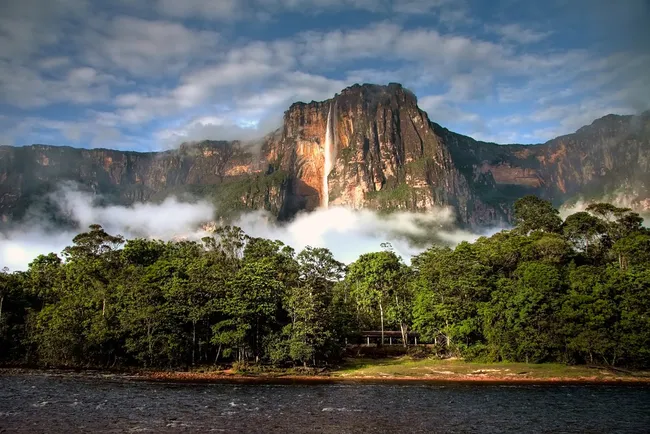
Cold, dense water from the Nordic Seas flows southward and plunges beneath warmer, lighter water from the Irminger Sea. This creates a massive downward current that cascades along the seafloor like a submerged waterfall. Scientists estimate that the drop is about 3,500 meters (over 11,500 feet), making it more than three times taller than Angel Falls, the tallest waterfall on land.
Because it happens underwater, you can’t see it from the surface — but sophisticated sensors, satellite data, and oceanographic instruments reveal a breathtaking underwater landscape shaped by powerful currents and deep ocean trenches.
🔬 How an Underwater Waterfall Even Works
The secret behind the Denmark Strait Cataract lies in thermohaline circulation — a global ocean system driven by temperature (thermo) and salinity (haline). Cold water is heavier than warm water, so when frigid Arctic water meets warmer Atlantic water, gravity pulls it downward along the ocean floor.
As this dense water sinks, it flows like an underwater river plunging over a massive submerged ridge. Instead of splashing into a pool, it spreads across deep ocean basins, helping drive global ocean circulation patterns that regulate climate worldwide.

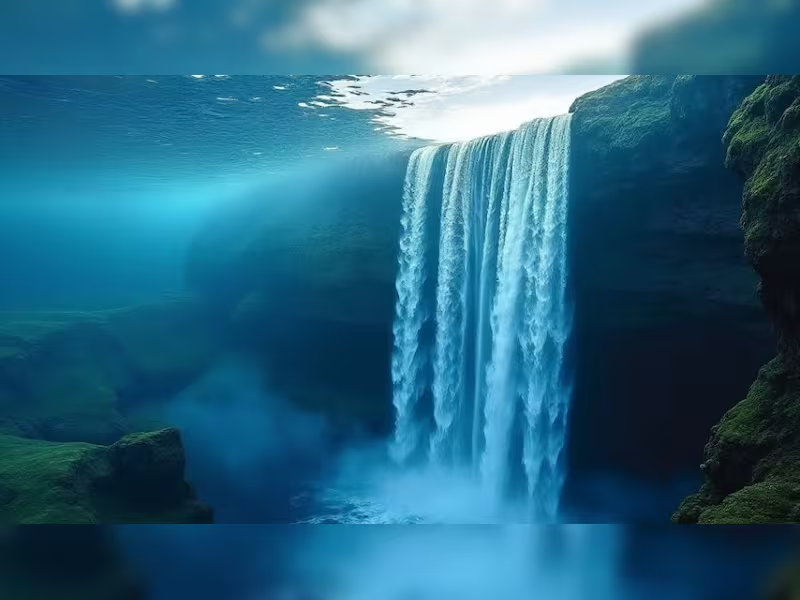
This massive flow moves roughly 3.2 million cubic meters of water every second — hundreds of times more than the Amazon River. The movement also helps transport nutrients and oxygen into the deep sea, supporting unique ecosystems far below the surface.
🌎 Why This Hidden Waterfall Matters
Beyond its mind-blowing size, the underwater waterfall plays a key role in Earth’s climate system. The sinking cold water contributes to the Atlantic Meridional Overturning Circulation (AMOC), a major ocean current network that influences weather patterns across Europe, North America, and beyond.
If global temperatures rise significantly and polar ice melts faster, changes in ocean density could weaken or shift these underwater flows. That’s why oceanographers closely monitor the Denmark Strait region — its currents are a vital indicator of climate health.
The cataract also shapes the deep-sea environment. The powerful downward current sculpts the seabed, creating channels and underwater formations. Marine life adapted to cold, nutrient-rich waters thrives in this dynamic environment, proving that even the darkest depths of the ocean can be surprisingly vibrant.


