







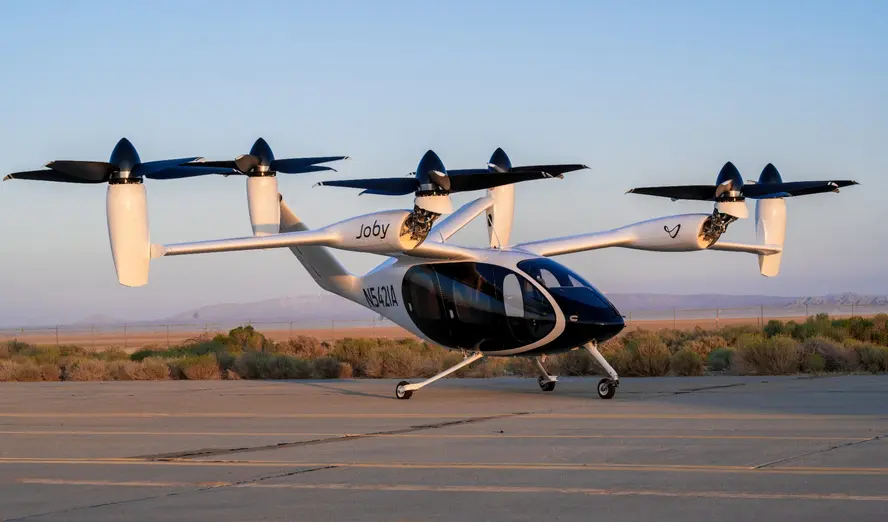
Urban congestion has become one of the defining challenges of modern cities. As populations grow and roads reach their limits, traditional solutions—wider highways, flyovers, and traffic management systems—are proving insufficient. In response, the future of mobility is increasingly looking upward. Vertical Aerospace’s latest electric air taxi brings renewed attention to a bold question: can flying taxis genuinely ease city gridlock, or are they just futuristic hype?
The Growing Problem of Urban Congestion
Cities around the world are struggling with overcrowded roads, longer commute times, and rising pollution levels. Daily travel that should take minutes often stretches into hours, affecting productivity, mental health, and quality of life. Public transport helps, but it too faces capacity limits in many megacities.


This is where electric vertical takeoff and landing aircraft (eVTOLs) enter the conversation. Instead of competing for road space, these aircraft operate in low-altitude airspace, offering point-to-point travel above traffic-heavy corridors.
Vertical Aerospace’s Vision for Urban Flight
Vertical Aerospace, a UK-based aerospace company, is positioning itself at the forefront of this emerging industry. Its latest electric air taxi prototype represents years of research into safe, quiet, and sustainable urban flight. Designed to take off and land vertically like a helicopter—but without the noise and emissions—this flying taxi aims to make short-distance air travel practical within and between cities.
The aircraft is fully electric, producing zero direct emissions during flight. It’s also engineered with multiple rotors and advanced safety systems, addressing one of the biggest concerns surrounding urban air mobility: passenger trust.
How Electric Air Taxis Could Reduce Gridlock
In theory, electric air taxis could significantly reduce pressure on roads by shifting certain types of journeys to the air. Short, high-frequency routes—such as airport transfers, business district commutes, or connections between transport hubs—are particularly well suited for eVTOLs.
By removing even a small percentage of cars from already congested roads, cities could see noticeable improvements in traffic flow. Air taxis aren’t meant to replace buses or trains, but rather to complement existing transport networks by handling specific high-demand routes.
The Technology Behind the Promise
The appeal of Vertical Aerospace’s aircraft lies in its combination of speed, sustainability, and silence. Unlike traditional helicopters, eVTOLs are designed to be much quieter, making them more acceptable for urban environments. Advances in battery technology and lightweight materials have made electric flight increasingly viable for short distances.
Automation also plays a key role. While early air taxis will likely be piloted, the long-term vision includes autonomous flight systems that could improve efficiency and reduce operational costs.
Real-World Challenges Still Remain
Despite the excitement, several hurdles must be overcome before electric air taxis become a common sight. Infrastructure is a major challenge. Cities will need vertiports—dedicated takeoff and landing hubs—integrated into urban landscapes without disrupting existing spaces.
Regulation is another critical factor. Aviation authorities must establish strict safety standards, air traffic rules, and certification processes. Public acceptance will also take time, as people need to feel confident flying above city streets in small electric aircraft.
Cost is another consideration. Initially, air taxi rides are expected to be expensive, limiting access to business travelers and premium users. However, as technology matures and operations scale, prices could gradually become more accessible.
Sustainability and the Bigger Picture
From an environmental perspective, electric air taxis offer clear advantages over fossil-fuel-powered vehicles and helicopters. When paired with renewable energy sources, they could contribute to cleaner urban transportation systems.


That said, sustainability isn’t just about emissions—it’s also about efficiency. Cities will need to carefully plan how air taxis fit into broader mobility strategies to ensure they genuinely reduce congestion rather than simply adding another layer of traffic, this time in the sky.
Are Flying Taxis the Future of Cities?
Vertical Aerospace’s latest flying taxi represents more than just a technological milestone—it symbolizes a shift in how we think about movement in dense urban environments. While electric air taxis won’t eliminate traffic overnight, they have the potential to reshape specific parts of urban travel, particularly where speed and flexibility matter most.
The road to widespread adoption will be gradual, shaped by regulation, infrastructure, and public trust. But as cities search for smarter ways to move people efficiently, the answer to gridlock may not be on the road at all—but above it.


