


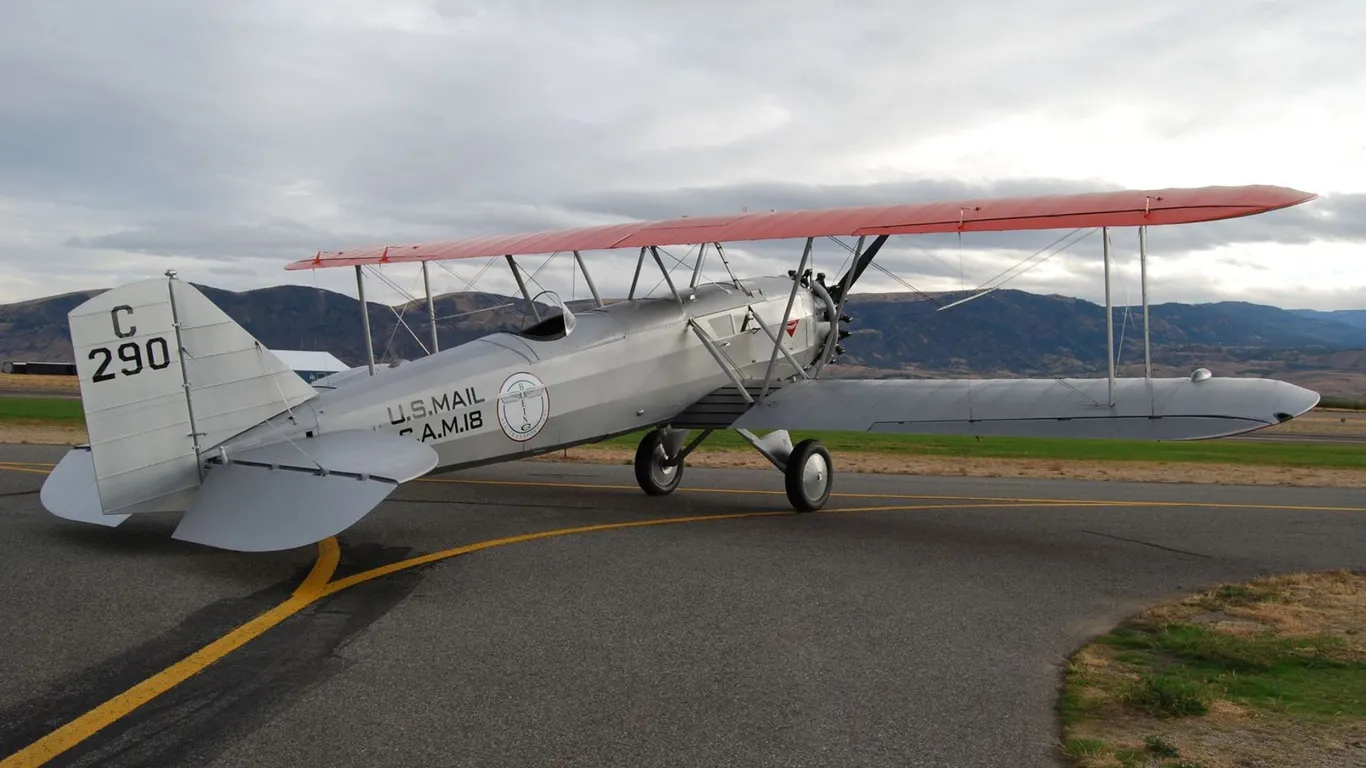
The idea of a 100-year-old airplane flying once more sounds almost unbelievable. These aircraft belong to a different era — a time when aviation was experimental, materials were simple, and pilots were pioneers. Yet every so often, news emerges of a restored vintage plane soaring through the air, capturing the imagination of aviation enthusiasts around the world. The question remains: can an airplane built a century ago really fly again, and if so, what does it take to make that happen safely?
The short answer is yes — under very specific conditions. A century-old airplane cannot simply be pulled from a hangar, fueled, and launched into the sky. Aircraft from the early 1900s require extensive restoration, engineering expertise, and modern safety evaluations. Many historic planes that fly today are either meticulously rebuilt using original designs or are replicas constructed with modern materials that maintain the look and feel of the original aircraft while improving safety.
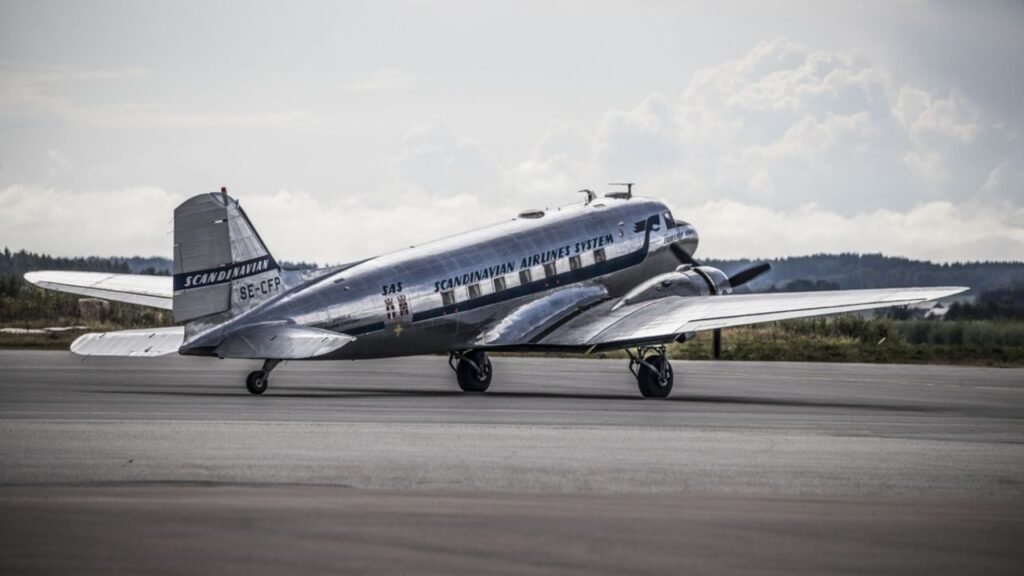
One of the most significant challenges is the condition of original materials. Early airplanes were often made from wood frames, fabric coverings, and basic metal components. Over time, these materials weaken due to moisture, temperature changes, and natural aging. Restorers must carefully inspect every part of the aircraft, replacing damaged components while preserving as much authenticity as possible. In some cases, entire wings or fuselage sections are rebuilt from scratch based on historical blueprints.
Engines present another major hurdle. Many early aircraft engines are rare, outdated, or no longer functional. Aviation restoration experts may rebuild original engines piece by piece or replace them with carefully modified modern engines that match the performance characteristics of the original design. The goal is to maintain historical accuracy without compromising safety or reliability during flight.
Safety regulations also play a crucial role in determining whether an old airplane can fly again. Aviation authorities in different countries set strict requirements for airworthiness. Even vintage aircraft must meet modern safety standards before being allowed to take off. This includes structural testing, mechanical inspections, and pilot training specific to historic aircraft. In some cases, these airplanes are restricted to demonstration flights or special events rather than regular transportation.
Interestingly, some of the oldest aircraft still flying today are from World War I or the early 1920s. Aviation museums and private collectors invest years restoring these planes so they can participate in airshows or historical reenactments. These flights are not only thrilling to watch but also serve as living demonstrations of aviation history. Seeing a century-old design in motion offers a unique perspective on how far aerospace engineering has evolved.
Another approach to reviving historic planes involves building exact replicas. Engineers and historians work together to recreate classic aircraft using original specifications while incorporating modern materials for durability. These replicas can safely demonstrate how early airplanes flew without risking damage to rare originals. In many cases, audiences cannot distinguish between an original aircraft and a high-quality reproduction.
Flying a 100-year-old airplane also requires highly skilled pilots. Early aircraft lack many of the automated systems found in modern aviation, meaning pilots must rely on manual control, strong situational awareness, and specialized training. Flying these planes is often described as more physically demanding and unpredictable, making expertise essential for safe operation.
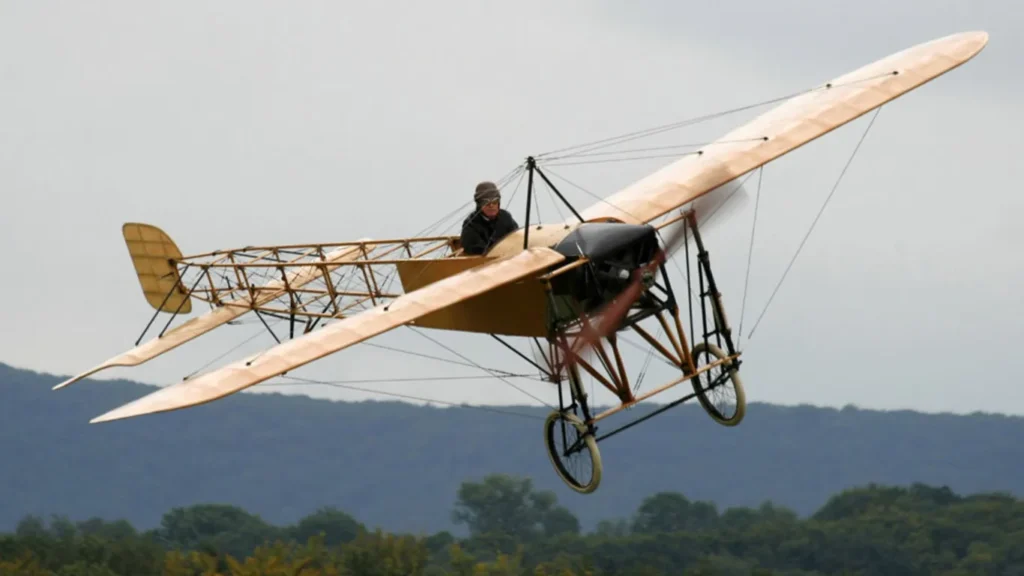
Beyond the technical challenges, there is a deep emotional and cultural value in seeing historic airplanes fly again. These aircraft represent the courage, creativity, and innovation of early aviators who helped shape modern air travel. Restoring them is not just about nostalgia — it is about preserving a tangible connection to history and inspiring future generations to appreciate the origins of aviation.
Ultimately, while not every 100-year-old airplane can be returned to the sky, many can fly again with the right combination of restoration, engineering, and regulatory approval. Whether original or carefully reconstructed, these aircraft prove that history does not always remain grounded. With dedication and expertise, even a century-old machine can spread its wings once more — reminding us of the timeless human desire to explore the skies and push the boundaries of what is possible.
