



Over the last two decades, the gaming industry has transformed from a simple source of entertainment into a multi-billion-dollar ecosystem that rivals Hollywood and the music industry. One of the most fascinating aspects of this transformation is the rise of virtual economies—in-game financial systems where players buy, sell, and trade digital goods. What began as a way to enhance gameplay has now evolved into a global phenomenon with real-world economic consequences.
The Rise of In-Game Purchases
In the early days of gaming, players paid once for a cartridge or CD and enjoyed the full experience. Today, however, free-to-play and pay-to-play models dominate, with in-game purchases (microtransactions) driving revenue. Whether it’s buying cosmetic skins in Fortnite, weapon upgrades in Call of Duty, or expansion packs in The Sims, gamers are spending real money on digital content.

These microtransactions have proven incredibly lucrative. According to industry reports, in-game purchases generated over \$80 billion in 2024, making them the primary revenue source for many developers. This shift has turned video games into more than just entertainment—they’re marketplaces.
Digital Goods With Real Value
A virtual sword, rare outfit, or limited-edition character skin may seem intangible, but their value is very real to players. The demand for exclusivity and personalization fuels a thriving market. For example, rare items in games like Counter-Strike: Global Offensive (CS\:GO) have been resold for thousands of dollars on secondary platforms.
This blurring of the line between digital and physical goods has paved the way for discussions about ownership. Do players really “own” the items they buy, or are they licensing them from developers? This question becomes more complex as digital assets start crossing over into real-world financial systems through resale markets and blockchain technologies.
The Impact on Consumer Behavior
Virtual economies don’t just influence gaming—they affect how people spend in everyday life. Gamers are becoming accustomed to making small, frequent purchases online, which mirrors subscription and e-commerce trends. The psychology of spending \$2 on a character skin is similar to paying for a streaming add-on or mobile app upgrade.
These microtransactions also introduce gamification of commerce, where players are rewarded with bonuses, discounts, or exclusive offers. This has inspired non-gaming industries—such as fitness apps and e-learning platforms—to adopt similar models. Essentially, the habits built in games are spilling over into wider consumer markets.
Esports, Streaming, and the Economy Around Gaming
The rise of esports and live-streaming platforms has added another layer to virtual economies. Gamers who spend money on flashy skins or rare items often showcase them to audiences on Twitch or YouTube, turning personal purchases into status symbols. Just as designer clothing carries prestige in the real world, digital assets in games communicate identity and success online.
This visibility amplifies the desire for in-game purchases, creating a feedback loop: players buy items to stand out, audiences admire them, and demand for similar goods grows. The social aspect of gaming, therefore, fuels the economy even further.
Blockchain, NFTs, and the Future of Virtual Economies
Perhaps the most significant development is the integration of blockchain technology and NFTs (non-fungible tokens) into gaming. Unlike traditional in-game purchases, NFTs allow players to claim verified ownership of digital assets that can be traded across platforms. Imagine buying a rare skin in one game and selling it for cryptocurrency, which you could then convert into real-world money.
While the NFT gaming boom has faced backlash due to environmental concerns and speculation, the underlying idea of true digital ownership isn’t going away. As technology evolves, we may see hybrid models where virtual economies and traditional finance merge more seamlessly.
Challenges and Ethical Concerns
Despite the opportunities, virtual economies also raise challenges. Issues like pay-to-win mechanics, where those who spend more gain unfair advantages, can hurt game balance. There are also concerns about overspending, especially among younger players, leading to debates about consumer protection and regulation.
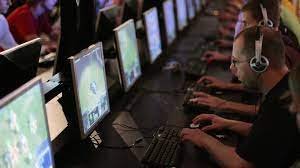
Additionally, fraud, scams, and hacking in virtual markets highlight the need for better security and clearer rules. Governments and regulators are increasingly paying attention to how digital transactions in games resemble real-world financial systems.
Conclusion
What started as optional extras has grown into an economic powerhouse that influences spending habits, shapes consumer culture, and even impacts global markets. In-game purchases have transformed digital goods into real commodities, creating a bridge between virtual and physical economies.
As gaming continues to expand, virtual economies will not only redefine the future of entertainment but also play a pivotal role in shaping how we perceive value, ownership, and commerce in the digital age.
