


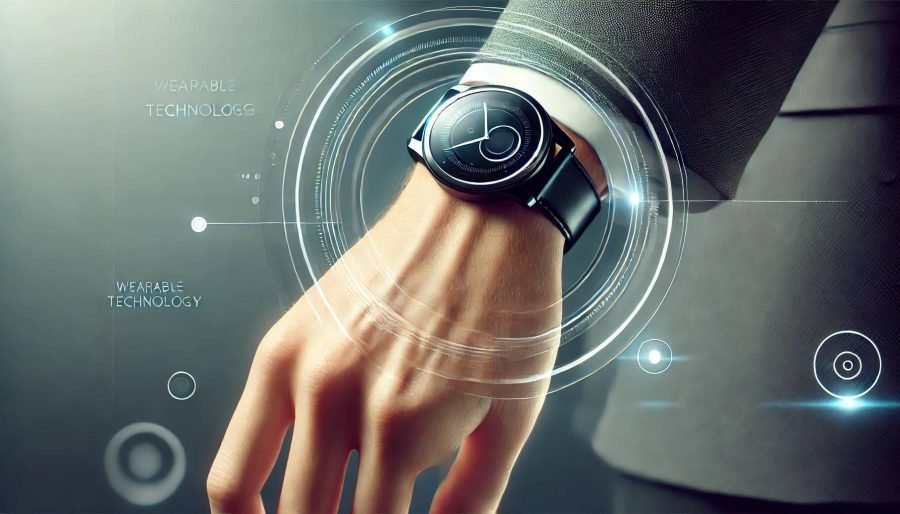
Technology has always aimed to bring humans closer to convenience — from desktop computers to smartphones, and now, to devices we actually wear. Wearable technology is no longer a niche category for fitness enthusiasts or early adopters; it’s a growing ecosystem that blends health, lifestyle, and digital intelligence right onto our bodies. As innovation accelerates, wearables are moving beyond watches and trackers to become something more profound — an extension of who we are.
From Accessories to Essentials
The first generation of wearable devices — like Fitbit or Apple Watch — focused on counting steps, measuring sleep, and displaying notifications. Today, they’ve evolved into advanced health monitors capable of detecting heart irregularities, tracking stress levels, and even predicting illness. The line between consumer electronics and medical-grade technology is blurring faster than ever.
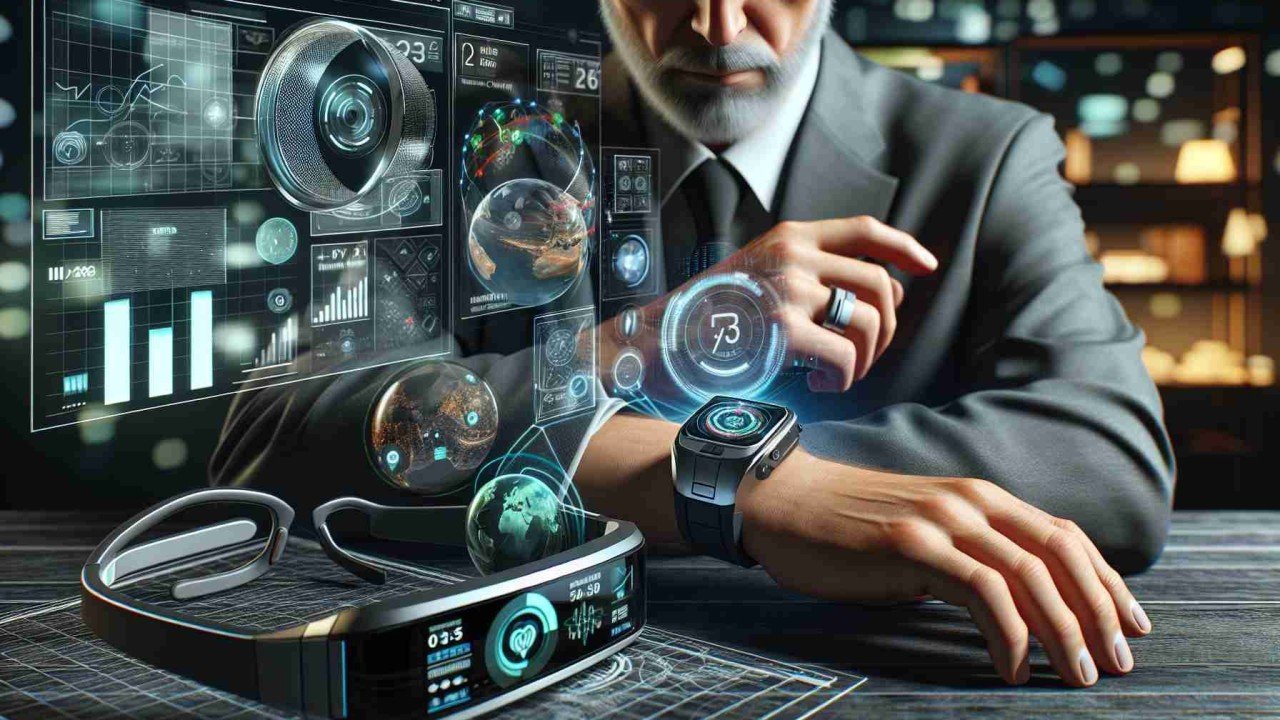
Companies like Apple, Samsung, Garmin, and Whoop are investing heavily in sensors that can read real-time body data with incredible accuracy. For instance, the latest Apple Watch can perform ECGs and measure blood oxygen levels, while the Oura Ring quietly collects data on heart rate variability and sleep cycles, turning that information into actionable wellness insights.
We’ve moved from simply wearing tech to living with it — devices that guide our health decisions, enhance productivity, and even optimize performance.
Health at the Core of Innovation
The greatest impact of wearables has been in healthcare. What was once confined to clinics is now available on wrists and fingers. Continuous glucose monitors help diabetics manage blood sugar without finger pricks, while smart hearing aids adjust automatically to noise levels and connect seamlessly with smartphones. Some companies are even experimenting with AI-powered patches that can track hydration, muscle recovery, or hormonal fluctuations.
These innovations are not just about convenience — they’re about accessibility. Remote patient monitoring allows doctors to track vital signs from afar, transforming how chronic illnesses are managed. This kind of real-time, data-driven healthcare could reduce hospital visits, improve early diagnosis, and empower people to take control of their well-being.
Fashion Meets Function
Wearables are no longer bulky gadgets strapped to your wrist. Designers and engineers are collaborating to make technology aesthetically seamless. From smart glasses that look like traditional eyewear to AI-powered clothing that adapts to your body temperature, the boundary between fashion and function is fading.
Take Meta’s collaboration with Ray-Ban, which resulted in stylish smart glasses capable of capturing photos, playing music, and even answering calls — all while looking like regular sunglasses. Meanwhile, sports brands like Nike and Under Armour are developing smart apparel that tracks performance metrics without the need for a separate device.
The future is clear: wearable technology will disappear into our wardrobes. It won’t look like tech — it will be tech.
AI: The Brain Behind the Wearables
Artificial intelligence is the invisible force driving the wearable revolution. These devices collect massive amounts of data — but it’s AI that interprets it, learns from it, and turns it into personalized recommendations. Your smartwatch can detect irregular heart rhythms because it has been trained on millions of data points. Your fitness band suggests rest days because it understands your body’s recovery pattern.
In the coming years, AI-driven wearables will become predictive rather than reactive — not just tracking what’s happening but anticipating what’s next. Imagine a device that warns you of dehydration hours before symptoms appear, or one that adjusts your diet based on upcoming hormonal changes. That’s not science fiction anymore — it’s fast approaching reality.
Challenges Along the Way
As powerful as wearable tech becomes, it also raises concerns — particularly around privacy and data ownership. Health data is among the most sensitive information we have, and as devices become more integrated into our daily lives, the need for transparent data policies and cybersecurity grows urgent. Consumers are beginning to ask: Who owns my body data? and How is it being used?
Regulations and innovation will need to move hand in hand to ensure progress doesn’t come at the cost of privacy.
The Future: From Wearable to Invisible
What’s next for wearables? Experts predict a shift toward “invisible tech” — smart fabrics, skin implants, and neural interfaces that blend so seamlessly with our biology that we forget they’re there. Companies like Neuralink, NextMind, and Snap’s AR division are exploring how technology can communicate directly with our brains or senses.

In the next decade, we might not look at our devices — we’ll simply interact through them.
A Human Revolution
Wearable technology is not just reshaping how we use devices — it’s redefining what it means to be human in a digital age. These innovations don’t distance us from technology; they bring it closer than ever, merging physical and digital realities.
As our devices become more personal, intuitive, and intelligent, one truth emerges: the future of technology isn’t something we’ll hold in our hands — it’s something we’ll live within.
