



Technology evolves in waves — and every decade brings a breakthrough that redefines how we live, work, and connect. In 2025, that revolutionary force is Generative Artificial Intelligence. Once considered a niche research field, generative AI is now everywhere — from the apps we use to the way businesses design products and services. It’s no longer just about automation; it’s about creation, personalization, and human–machine collaboration on an entirely new level.
What Exactly Is Generative AI?
Generative AI refers to algorithms capable of producing new content — text, images, music, code, and even video — that mimics human creativity. Unlike traditional AI models that classify or analyze data, generative systems can generate data. They learn from massive datasets and then create original outputs that feel natural and intelligent.
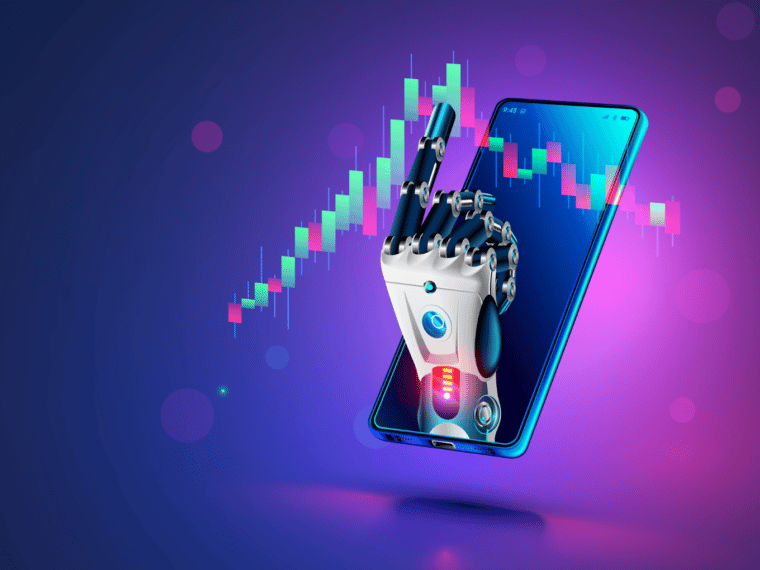
You’ve probably already encountered this technology. Chatbots that write stories, tools that create artwork from prompts, and coding assistants that generate software solutions — all of these rely on generative AI. As models like GPT-5 and diffusion-based systems continue to evolve, the line between human creativity and machine capability grows increasingly thin.
From Tool to Companion
One of the most remarkable aspects of generative AI is how seamlessly it’s blending into everyday digital life. It’s no longer confined to research labs or professional studios. Today, your smartphone, laptop, and even your browser might be running AI-driven features in the background — predicting what you’ll type next, enhancing your photos, or summarizing long articles into quick insights.
In 2025, AI-powered assistants have become personal companions, capable of understanding context and emotion better than ever before. They can draft emails that reflect your tone, plan your week based on your habits, or recommend movies, meals, and workouts tailored precisely to your mood and schedule. The relationship between humans and machines has shifted from command-based interaction to collaborative partnership.
The Rise of AI in Everyday Industries
Generative AI’s impact extends far beyond consumer devices. Across industries, it’s transforming workflows, saving time, and unlocking creativity in unprecedented ways.
- Healthcare: AI is being used to design new drugs, analyze patient data, and generate medical images that assist doctors in early diagnosis.
- Education: Intelligent tutoring systems can now personalize lessons, create adaptive tests, and even simulate real-world problem-solving scenarios for students.
- Design and Media: Graphic designers and filmmakers use AI tools to conceptualize scenes, generate storyboards, and produce music or sound effects almost instantly.
- Software Development: AI coding assistants are turning ideas into prototypes faster than ever, enabling startups and developers to move from concept to launch in record time.
This rapid adoption means that AI is no longer replacing jobs — it’s augmenting human potential. By handling repetitive or technical tasks, it gives professionals more freedom to focus on strategy, storytelling, and innovation.
The Ethical Balance
Of course, the rise of generative AI also brings new challenges. Questions around authenticity, data privacy, and intellectual property are more relevant than ever. How do we distinguish between human-made and machine-made work? Who owns AI-generated art or text? And how do we prevent bias or misinformation from spreading through synthetic content?
Governments and companies worldwide are now developing frameworks for responsible AI use, focusing on transparency, accountability, and fairness. As users, we also share in that responsibility — learning to use these tools ethically, verifying sources, and understanding their limitations.
AI and the Future of Human Creativity
Perhaps the most fascinating impact of generative AI lies in its relationship with creativity. For centuries, human creativity was seen as a uniquely personal trait — one that machines could never emulate. Yet today, artists, writers, and musicians are using AI not as a replacement, but as a creative partner.
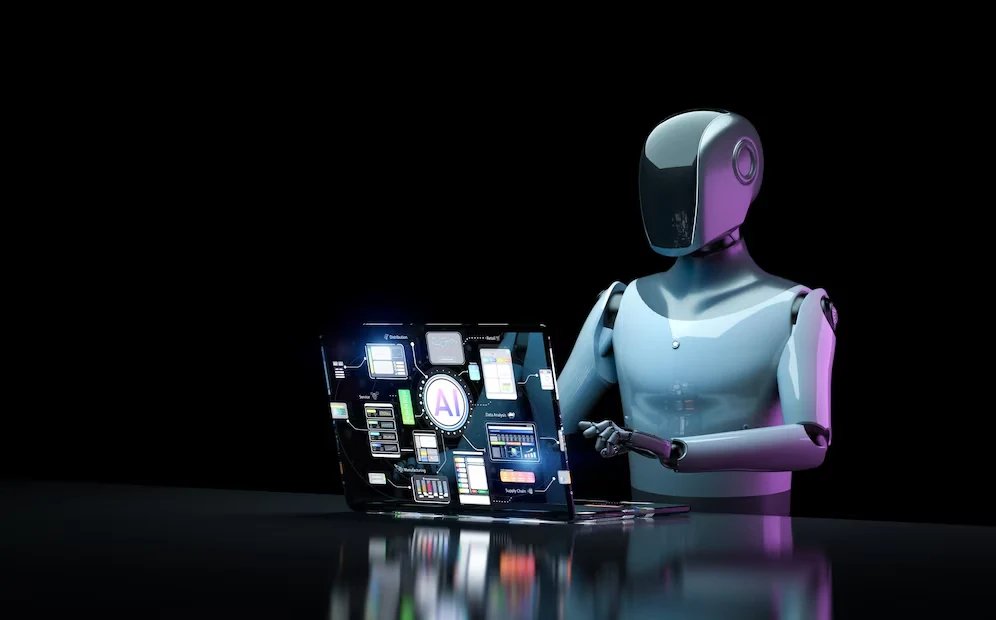
It’s redefining what creativity means. When a designer collaborates with an AI to produce artwork or when a musician uses an AI tool to compose melodies, the result is a fusion of logic and imagination — a co-creation that transcends boundaries.
Looking Ahead
As generative AI continues to mature, it will reshape not only industries but also human identity in the digital world. The future may hold AI companions that help us think more clearly, tools that build bridges between languages and cultures, and systems that democratize creativity for everyone.
In essence, technology is evolving from something we use to something we create with. And that’s the most exciting transformation of all — a future where intelligence, whether human or artificial, works together to inspire new possibilities.
