







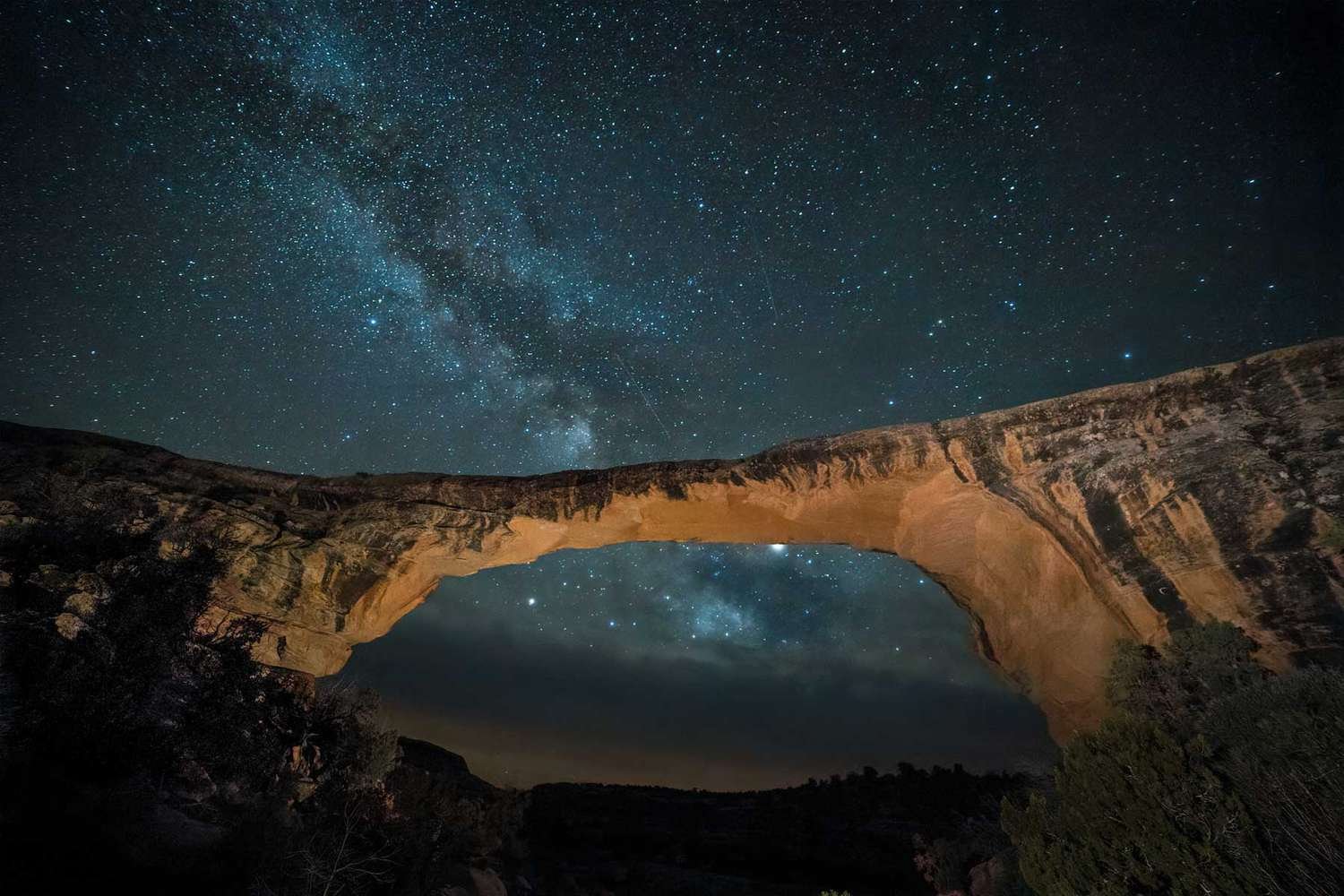
For centuries, humans have looked up at the night sky with wonder, seeking meaning in the stars. Today, amateur astronomers and casual travelers alike are drawn to destinations where the night skies are still untouched by the glow of city lights. Light pollution has dimmed the heavens in many parts of the world, but certain places remain true sanctuaries for stargazers. Whether you are traveling with a telescope or simply lying back with the naked eye, these locations offer some of the most magical starry nights you’ll ever witness.
1. Mauna Kea, Hawaii, USA
Towering at nearly 14,000 feet above sea level, Mauna Kea is one of the premier astronomical destinations on Earth. The dormant volcano hosts some of the world’s most advanced observatories, and its clear skies and high elevation make it an unparalleled location for stargazing. Amateur astronomers can join guided star-gazing tours at the Mauna Kea Visitor Information Station, where telescopes are provided and experts explain the constellations. The dramatic combination of volcanic landscapes and cosmic wonders makes this Hawaiian peak unforgettable.

2. Atacama Desert, Chile
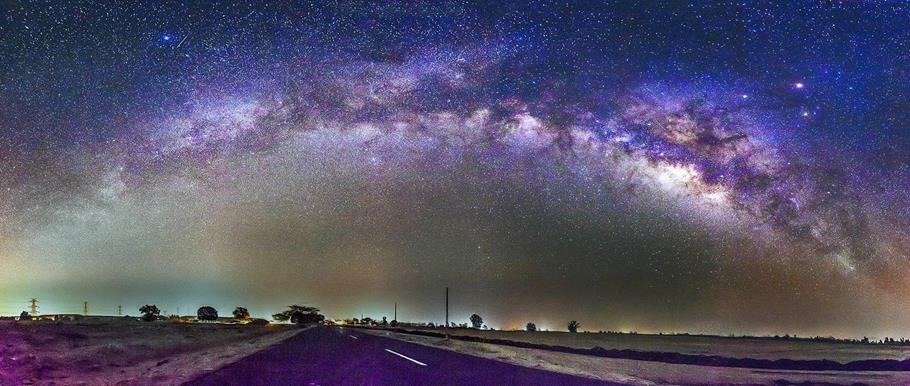
Known as the driest desert in the world, the Atacama Desert provides one of the clearest, darkest skies anywhere. The lack of humidity, high altitude, and isolation make it a stargazer’s paradise. Towns like San Pedro de Atacama have become hubs for astronomy enthusiasts, with local tour operators offering guided night sky sessions. The European Southern Observatory’s Paranal Observatory is located here, which is a testament to the desert’s unmatched clarity. With the Milky Way arching brilliantly overhead, even amateurs with minimal equipment can enjoy an awe-inspiring experience.
3. Aoraki Mackenzie, New Zealand
New Zealand is known for its dramatic landscapes, and it also boasts one of the best night skies in the Southern Hemisphere. The Aoraki Mackenzie International Dark Sky Reserve, located in the South Island, is a UNESCO-recognized site where light pollution is strictly controlled. Here, stargazers can spot the Southern Cross, the Magellanic Clouds, and even the Aurora Australis during certain times of year. Local observatories and guided tours make the experience both educational and breathtaking.
4. Namib Desert, Namibia
The vast open plains of the Namib Desert provide a surreal backdrop for stargazing. Designated as an International Dark Sky Reserve, Namibia’s skies are so clear that you can see celestial wonders without any equipment. The NamibRand Nature Reserve, in particular, is famous for offering some of the darkest skies in the world. Amateur astronomers will be thrilled by the visibility of the Milky Way, constellations, and even faint meteor showers. For those who want comfort alongside astronomy, luxury lodges in the desert offer stargazing decks and professional telescopes.
5. Jasper National Park, Canada
Nestled in Alberta’s Rocky Mountains, Jasper National Park is a certified Dark Sky Preserve and hosts an annual Jasper Dark Sky Festival. Amateur astronomers can enjoy wide, open skies framed by mountain peaks, making the experience visually stunning. Autumn is the best time to visit, as the skies are crisp and clear, and sometimes the Northern Lights add an extra touch of magic. With camping sites and guided night programs, it’s ideal for families and solo travelers alike.
6. Uluru, Australia
In the heart of Australia’s Red Centre lies Uluru, one of the country’s most iconic landmarks. By day, visitors admire the massive sandstone monolith; by night, the skies come alive with stars. The remoteness of this region means virtually no light pollution, making it an excellent spot for amateur astronomy. Tours around Uluru often include cultural storytelling by Indigenous guides, who share their ancient interpretations of the stars. This blend of science, culture, and nature makes Uluru one of the most unique stargazing destinations.
Tips for Amateur Stargazers

- Check the Moon Phase: A new moon provides the darkest skies.
- Bring Binoculars or a Small Telescope: Even basic equipment enhances visibility of planets and star clusters.
- Use Stargazing Apps: Apps like Stellarium or SkySafari help identify constellations.
- Dress Warmly: Even deserts can get cold at night, so be prepared.
- Be Patient: Allow your eyes at least 20 minutes to adjust to the dark.
Final Thoughts
Stargazing is more than a hobby—it’s a way to connect with the vastness of the universe and gain perspective beyond our everyday lives. From the volcanic peaks of Hawaii to the deserts of Namibia, the world still offers pockets of pristine night skies that invite us to look upward in awe. For amateur astronomers, these destinations promise not just travel memories, but cosmic journeys that will stay with you forever.


