


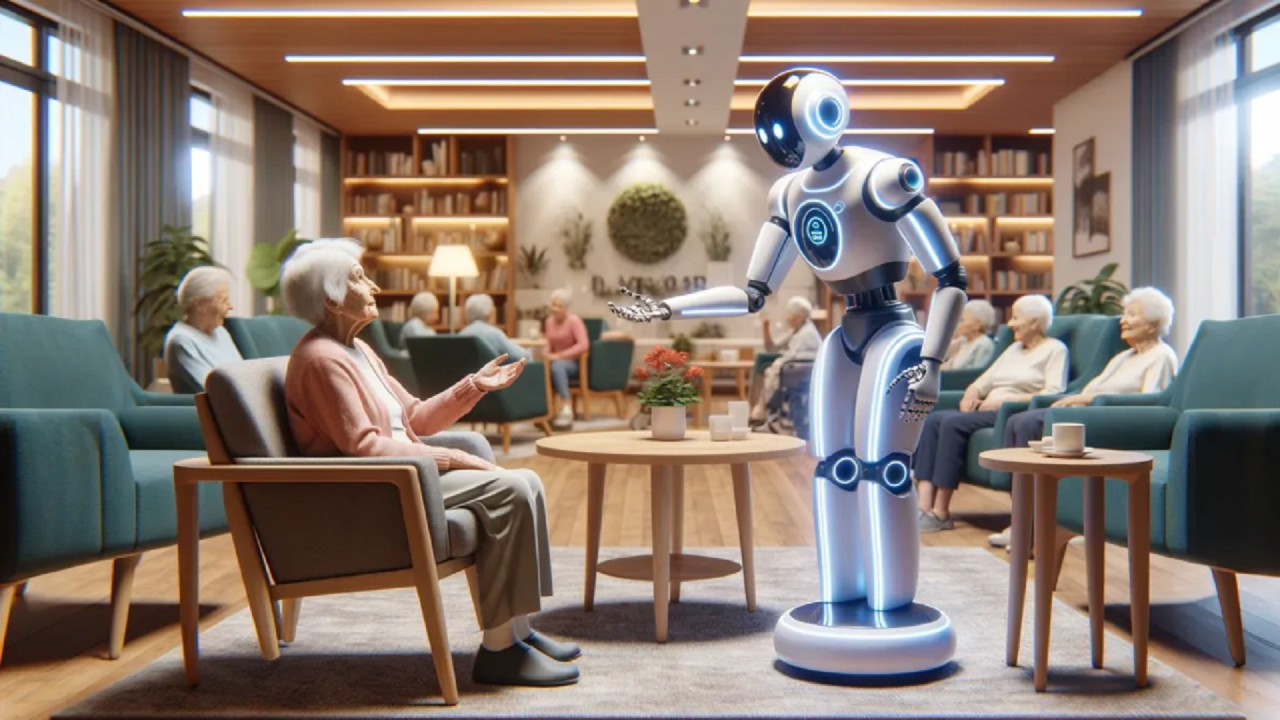
What once belonged to science fiction is quickly becoming reality. Humanoid robots and smart assistants are no longer limited to research labs or futuristic movies—they are entering homes, offices, hospitals, and public spaces. Powered by rapid advances in artificial intelligence, machine learning, and robotics, these intelligent systems are reshaping how humans live, work, and interact with technology.
From Voice Assistants to Intelligent Helpers
The evolution began with simple voice-controlled assistants that could answer questions, set reminders, or play music. Today’s smart assistants are far more capable. They can manage schedules, control entire smart homes, provide personalized recommendations, and even hold increasingly natural conversations.

What sets modern assistants apart is their ability to learn. By analyzing user behavior and preferences, they adapt over time, becoming more intuitive and proactive. This shift from reactive tools to predictive companions marks a significant leap in human–machine interaction.
The Emergence of Humanoid Robots
Humanoid robots take this evolution a step further. Designed to resemble the human form, these robots are built to navigate spaces meant for people—walking, grasping objects, and using tools. Their human-like appearance and movement make them especially useful in environments such as hospitals, retail stores, hotels, and eldercare facilities.
Unlike traditional industrial robots, humanoid robots are meant to collaborate with humans rather than operate behind safety cages. They can greet customers, assist patients, stock shelves, and perform repetitive tasks that free humans to focus on more complex or creative work.
Healthcare, Caregiving, and Emotional Support
One of the most promising applications of humanoid robots and smart assistants is in healthcare. Aging populations worldwide are increasing demand for caregiving services, and intelligent robots are helping fill critical gaps. They can monitor vital signs, remind patients to take medication, assist with mobility, and provide companionship to those living alone.
Smart assistants are also playing a role in mental health support, offering guided meditation, stress management tools, and round-the-clock access to basic emotional assistance. While they are not replacements for human care, they serve as valuable support systems.
Changing the Workplace
In offices and industrial settings, humanoid robots are being tested for tasks ranging from logistics and maintenance to customer service. Smart assistants are already embedded in workplace software, helping employees draft documents, analyze data, schedule meetings, and automate routine processes.
Rather than eliminating jobs outright, these technologies are redefining roles. Humans increasingly act as supervisors, problem-solvers, and decision-makers, while robots handle physically demanding or repetitive tasks. This collaboration is driving productivity while raising important questions about workforce reskilling.
Ethical and Social Concerns
As humanoid robots become more human-like, ethical questions are gaining urgency. Issues around data privacy, surveillance, and consent are central, especially as smart assistants collect vast amounts of personal information. There are also concerns about emotional dependency, particularly when robots are designed to simulate empathy.
Another challenge lies in accessibility. Advanced robots are expensive, and unequal access could widen existing social and economic gaps. Policymakers and developers face pressure to ensure that the benefits of intelligent machines are distributed fairly.
The Technology Behind the Rise
The rapid growth of humanoid robots and smart assistants is driven by breakthroughs in AI, computer vision, natural language processing, and sensor technology. Improved batteries, lightweight materials, and cloud computing have made robots more mobile, responsive, and affordable than ever before.
At the same time, large language models have dramatically improved communication, allowing assistants and robots to understand context, nuance, and intent with greater accuracy. This makes interactions feel more natural and less mechanical.
What the Future Holds
Looking ahead, experts predict that humanoid robots will become more common in public-facing roles, while smart assistants will evolve into deeply integrated digital partners. Homes may soon have robots that cook, clean, and provide security, while assistants manage finances, health data, and daily decision-making.
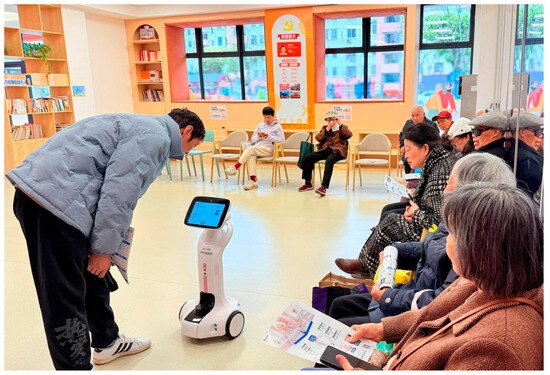
However, trust will be key. The success of intelligent companions depends not just on technological capability, but on transparency, safety, and ethical design.
Final Thoughts
The rise of humanoid robots and smart assistants signals a fundamental shift in how humans relate to machines. These intelligent companions are moving from novelty to necessity, blending into daily life in subtle but powerful ways. As technology continues to advance, the challenge will be to ensure that this new era enhances human potential—without compromising privacy, dignity, or control.
