







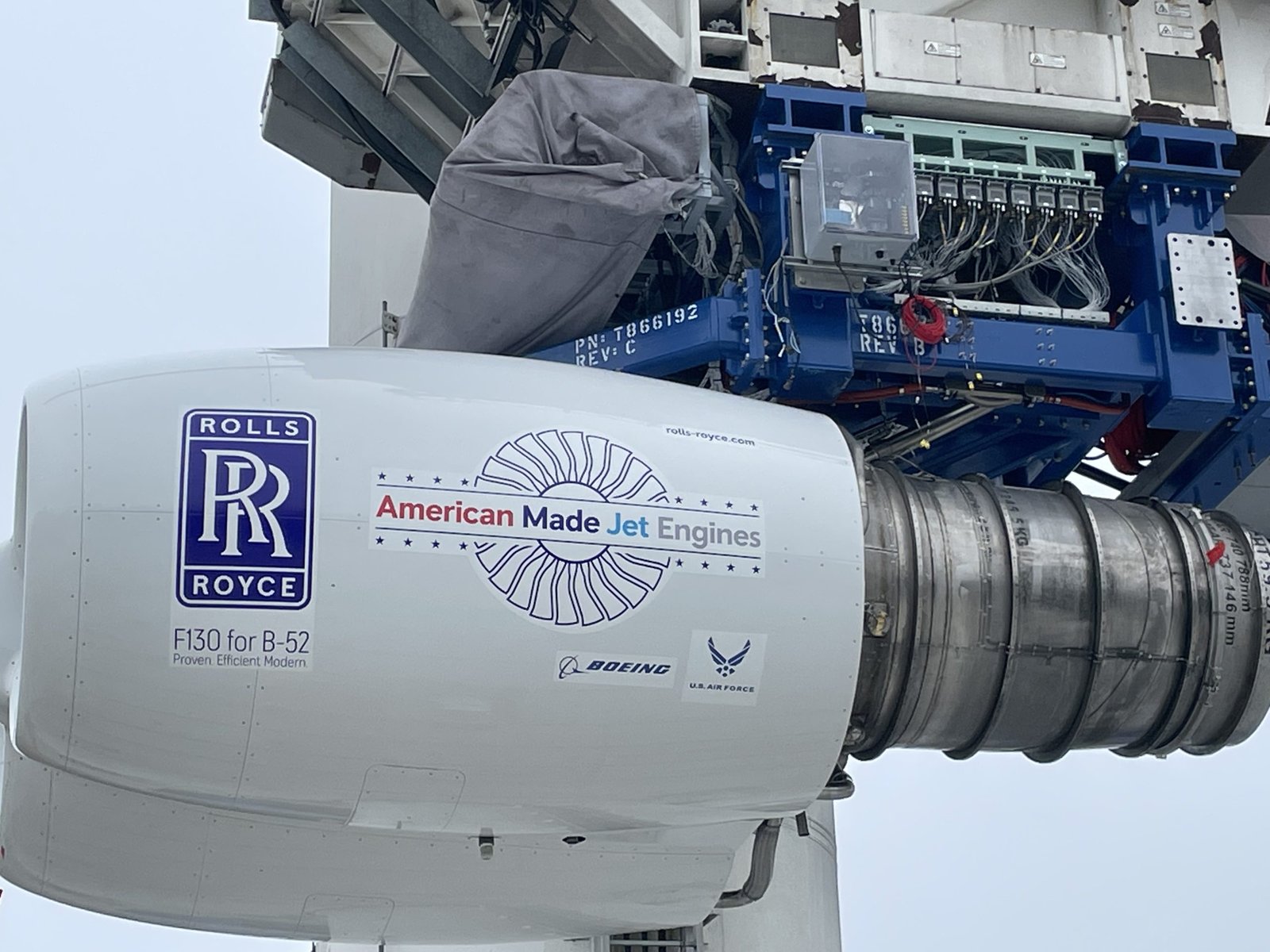
Behind every modern aircraft that soars above the clouds lies a symphony of innovation, precision, and human ingenuity — much of which begins in a Rolls-Royce factory. While most people know Rolls-Royce for its luxurious automobiles, the company’s legacy in aerospace engineering is equally, if not more, impressive. Deep within its state-of-the-art facilities, the next generation of jet engines is being imagined, designed, and meticulously built — engines that promise to redefine the future of aviation.
A Legacy of Engineering Excellence
Rolls-Royce’s journey into aviation began more than a century ago. The brand’s name became synonymous with reliability and performance during World War I and continued to shape the skies through the jet age. Today, Rolls-Royce powers some of the world’s most advanced commercial and military aircraft — from the Airbus A350 to the Boeing 787 Dreamliner.
But what truly sets the company apart is not just its heritage — it’s its relentless pursuit of innovation. At its cutting-edge facilities, such as the Rolls-Royce Aerospace campus in Derby, England, engineers are working to create engines that are lighter, quieter, and more fuel-efficient than ever before.
Inside the Factory: Where Art Meets Science
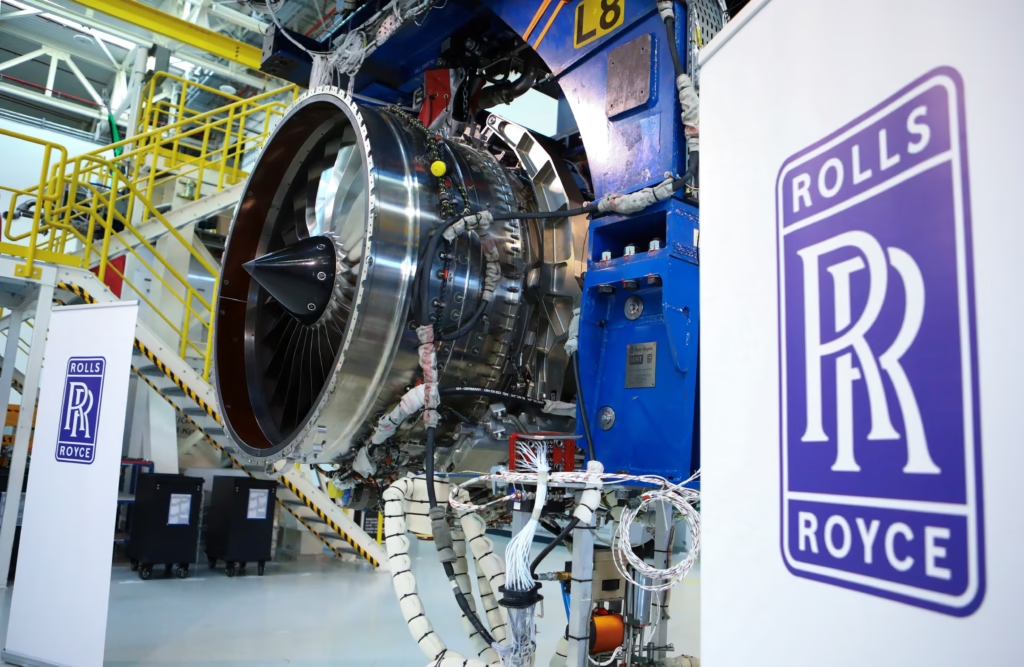
Step inside a Rolls-Royce jet engine factory, and you enter a world that feels part laboratory, part sci-fi movie set. The air hums with precision. Robotic arms glide effortlessly between workstations, 3D printers craft complex metal components with atomic-level accuracy, and engineers monitor every vibration, every micron, every temperature change in real time.

One of the most fascinating areas is the “turbine blade manufacturing zone.” Each blade — roughly the size of a hand — must endure temperatures hotter than the surface of the sun. To achieve that, Rolls-Royce uses single-crystal alloys and ceramic coatings developed through years of research. These blades are cast, cooled, and laser-inspected with precision down to a few microns, ensuring flawless performance inside engines spinning at over 10,000 revolutions per minute.
Then there’s the assembly hall, where massive engine cores come together like pieces of a giant puzzle. Technicians work in climate-controlled environments where even a speck of dust could alter the balance of a turbine. Augmented reality (AR) headsets guide engineers step by step through intricate assembly sequences, ensuring absolute accuracy.
Additive Manufacturing: Building the Future Atom by Atom
A revolution is quietly unfolding inside these factories: additive manufacturing, or 3D printing. Rolls-Royce has been a global leader in integrating this technology into aerospace production. By printing engine parts layer by layer, engineers can create shapes that are impossible to achieve with traditional machining.
These components are not only lighter but also stronger — reducing fuel burn, emissions, and maintenance costs. In 2024, Rolls-Royce revealed that several of its upcoming engines, including those under the UltraFan project, incorporate more 3D-printed parts than any previous generation.
This shift isn’t just about efficiency; it’s about redefining what’s possible in aviation design.
The UltraFan: Tomorrow’s Engine, Today
Perhaps the most exciting innovation inside the Rolls-Royce factory is the UltraFan, the company’s next-generation jet engine designed to set new benchmarks in sustainability and performance. With a massive 140-inch fan diameter and advanced composite materials, it’s projected to deliver a 25% fuel efficiency improvement over earlier models.
The UltraFan’s gearbox — the largest of its kind in the world — allows the turbine and fan to operate at optimal speeds independently, a leap forward in propulsion technology. Even more remarkable is that this engine has been designed with sustainable aviation fuel (SAF) compatibility from the ground up, ensuring a smoother transition to greener skies.
People Behind the Power
While automation and robotics play key roles, Rolls-Royce’s human engineers remain the heart of the operation. Apprentices and specialists work side by side, combining traditional craftsmanship with digital innovation. Every jet engine is the result of thousands of hours of collaboration, testing, and refinement.


The company’s digital twin technology — virtual models of real engines — allows engineers to predict performance, detect faults before they occur, and even simulate flight conditions without ever leaving the ground.
Toward a Cleaner, Smarter Future
Rolls-Royce’s vision goes beyond engines — it’s about shaping the future of flight. The company is investing heavily in hybrid-electric propulsion, hydrogen-based power systems, and digital ecosystems that support sustainable aviation worldwide.
Inside its factories, every component, algorithm, and idea serves one purpose: to create engines that take humanity further — not just in distance, but in possibility.
As we look toward a future of quieter skies, cleaner energy, and carbon-neutral aviation, Rolls-Royce stands as a beacon of innovation. The next time you look up and see a jet streaking across the horizon, remember — somewhere in a Rolls-Royce factory, the future of flight is already in motion.


