


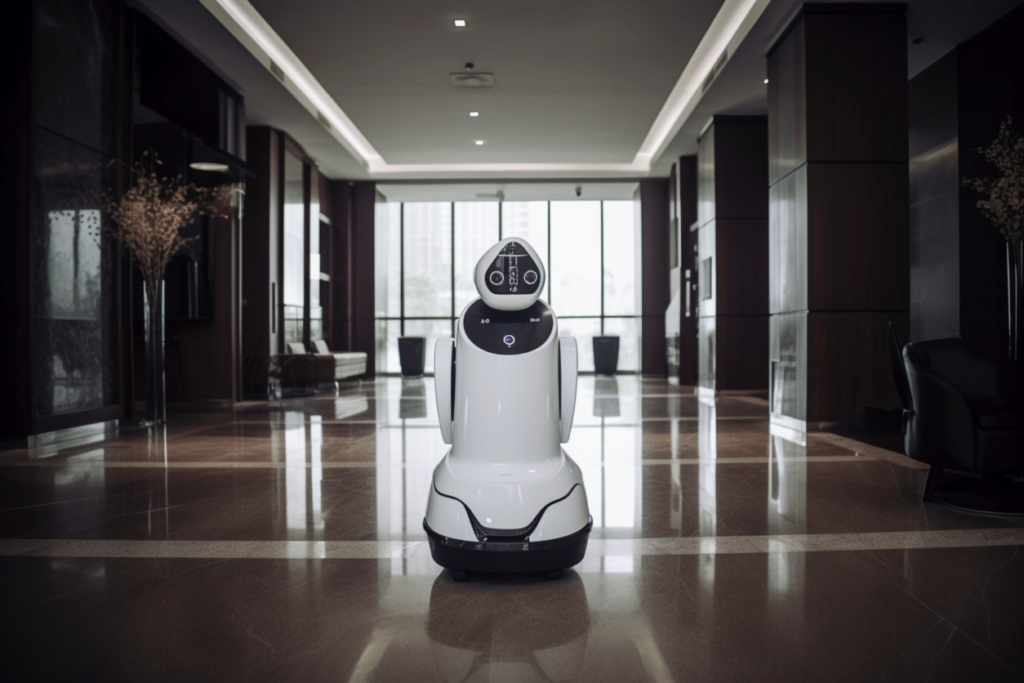
When you step into a hotel lobby today, it’s not unusual to see a robot gliding across the floor with a tray of refreshments, or a sleek kiosk ready to check you in without a human receptionist. From Tokyo’s Henn-na Hotel, which famously uses robots as receptionists, to high-end chains experimenting with automated concierges, the hospitality industry is increasingly embracing robotics. But this rapid shift raises an important question: are hotels on the path to becoming fully automated?
The Rise of Robots in Hotels
Robots in hospitality aren’t just gimmicks anymore—they’re becoming useful tools that solve real problems. With staff shortages in many regions and rising labor costs, hotels are adopting automation to streamline tasks like:
- Check-in and check-out kiosks that reduce long lines at reception.
- Service robots that deliver towels, meals, or amenities directly to guest rooms.
- Robotic concierges that provide information on local attractions, directions, and hotel services.
- Cleaning robots, similar to advanced Roombas, that help maintain lobbies and hallways.
What once felt futuristic is now part of the everyday guest experience in tech-forward hotels.
Benefits of Robot Integration
The hospitality industry thrives on efficiency and guest satisfaction, and robots offer some clear advantages:
- Consistency and Accuracy – Robots don’t tire or forget instructions, ensuring smooth service every time.
- Cost Efficiency – Although expensive to install initially, robots can lower long-term labor costs.
- 24/7 Availability – Robots don’t need breaks, making them ideal for late-night services.
- Contactless Interactions – Post-pandemic, many travelers value the hygiene and safety of minimal human contact.
- Innovation Appeal – Guests often find robot encounters memorable, giving hotels a unique edge.
Hotels that leverage these benefits can increase both guest satisfaction and brand reputation.
The Human Touch Dilemma
Despite the efficiency of robots, hospitality has always been about human connection. A warm greeting, the ability to empathize with frustrated guests, or improvising to solve unusual problems are areas where robots still fall short.
For example, while a robot can deliver room service quickly, it cannot recognize the joy of surprising a honeymoon couple with a personalized touch. Similarly, robots cannot handle nuanced complaints that require emotional intelligence.
Many travelers also report that too much automation makes hotels feel “cold” and “impersonal.” A balance is crucial—technology should enhance the experience, not replace the essence of hospitality.
Are Fully Automated Hotels the Future?
Some hotels are experimenting with full automation. The Henn-na Hotel in Japan, for example, once touted being run almost entirely by robots. However, they faced challenges: robots malfunctioned, couldn’t answer complex questions, and frustrated guests who wanted quick human assistance. The hotel eventually had to scale back and reintroduce staff.
This experiment proved a vital point: while robots can handle routine tasks, full automation isn’t practical—at least not yet. Guests still crave the reassurance of human presence, especially during emergencies or when personalization is key.
The Likely Future: Human-Robot Collaboration
Rather than replacing staff entirely, the future of hospitality is likely to be a hybrid model:
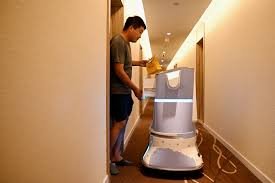
- Robots handle repetitive, labor-intensive tasks like deliveries, cleaning, or check-ins.
- Humans focus on high-value interactions such as personal greetings, concierge recommendations, or conflict resolution.
- AI-driven systems support staff by predicting guest preferences, optimizing room assignments, and managing back-end logistics.
In this way, robots become partners to hotel staff, reducing stress and freeing employees to focus on creating memorable experiences.
Final Thoughts
Robots in hospitality are no longer a futuristic concept—they are here, changing the way hotels operate. While full automation may not be the immediate future, a blended approach where humans and robots work together promises a more efficient and enjoyable guest experience.
After all, while efficiency matters, hospitality is ultimately about warmth, care, and connection. Robots can serve the food and carry the bags, but it’s the human smile that makes a hotel stay unforgettable.
