


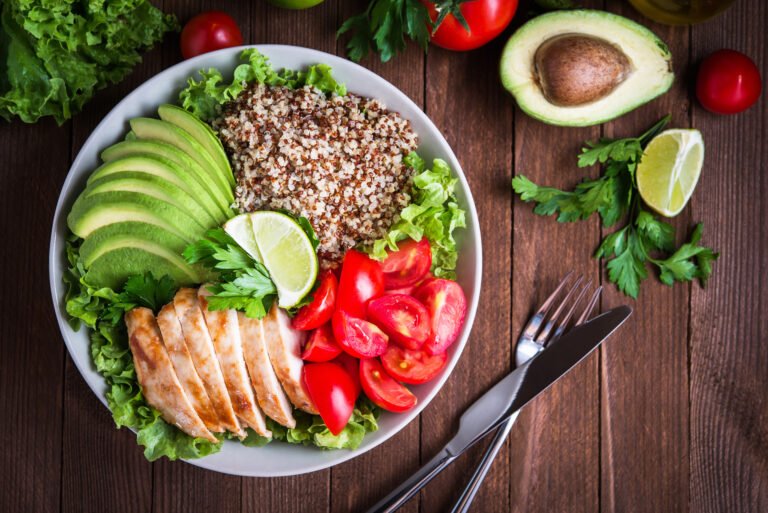
Protein is often associated with meat, eggs, and dairy, but a well-planned vegetarian diet can deliver impressive protein levels too. In fact, several plant-based foods rival or even outperform animal sources when measured per 100 grams. Whether you are vegetarian, flexitarian, or simply trying to diversify your protein intake, these foods offer powerful nutrition along with fiber, vitamins, and minerals. Here are five vegetarian foods with the highest protein content per 100g and why they deserve a regular spot on your plate.
1. Soybeans (36g protein per 100g)
Soybeans sit at the top of the vegetarian protein chart. With around 36 grams of protein per 100 grams (dry), they are one of the most protein-dense plant foods available. Soybeans are also a complete protein, meaning they contain all nine essential amino acids your body needs for muscle repair and overall health.
Beyond protein, soybeans provide iron, calcium, magnesium, and healthy fats. They are incredibly versatile and form the base of many popular vegetarian foods such as tofu, tempeh, soy milk, and edamame. For those focused on strength, endurance, or muscle recovery, soybeans are a nutritional powerhouse.
2. Lentils (25g protein per 100g)
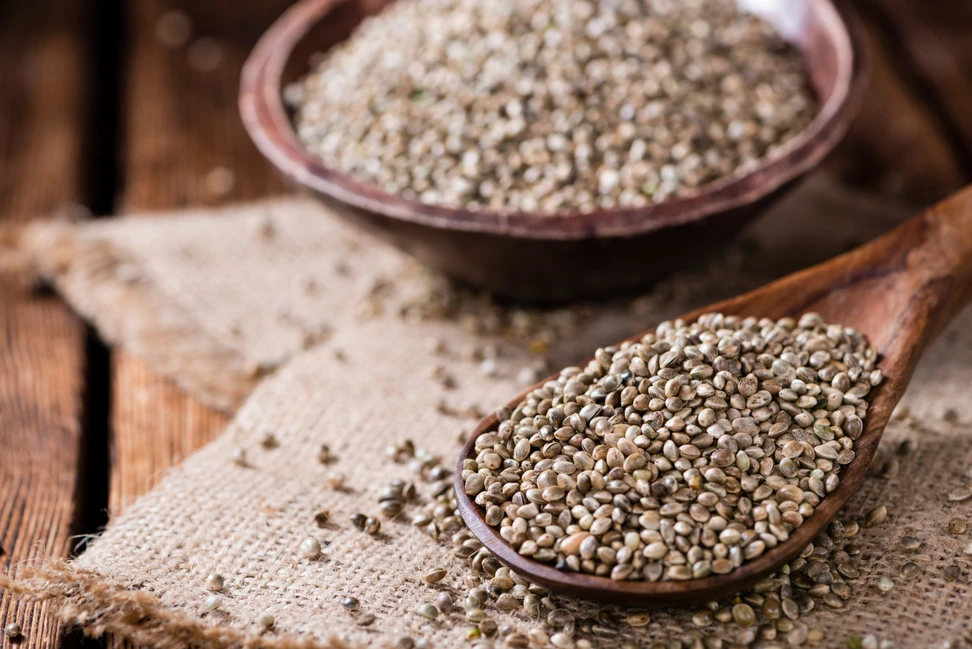
Lentils are a staple in vegetarian diets around the world, and for good reason. With about 25 grams of protein per 100 grams (dry), they are both affordable and nutrient-dense. Lentils are rich in complex carbohydrates and dietary fiber, which help stabilize blood sugar levels and support digestion.
They are also packed with folate, potassium, and iron, making them particularly beneficial for energy production and heart health. Lentils cook relatively quickly and work well in soups, curries, salads, and even plant-based patties, making them an easy addition to daily meals.
3. Chickpeas (19g protein per 100g)
Chickpeas, also known as garbanzo beans, provide around 19 grams of protein per 100 grams (dry). While slightly lower in protein than lentils or soybeans, chickpeas offer a well-balanced nutritional profile with fiber, slow-digesting carbohydrates, and essential minerals like manganese and phosphorus.
Chickpeas are incredibly versatile in the kitchen. They can be roasted for snacks, blended into hummus, added to salads, or used in curries and stews. Their combination of protein and fiber makes them especially filling, which can support weight management and sustained energy.
4. Pumpkin Seeds (30g protein per 100g)
Among plant foods, seeds often go unnoticed for their protein content, but pumpkin seeds are an exception. With roughly 30 grams of protein per 100 grams, they are one of the most protein-rich vegetarian options available. They also contain healthy fats, zinc, magnesium, and antioxidants.
Pumpkin seeds support immune health, muscle function, and hormone balance. They are easy to incorporate into meals—sprinkled over salads, blended into smoothies, or eaten as a snack. Despite their small size, pumpkin seeds deliver a concentrated nutritional punch.
5. Almonds (21g protein per 100g)
Almonds provide about 21 grams of protein per 100 grams and are widely loved for their crunch and versatility. Along with protein, almonds offer healthy monounsaturated fats, vitamin E, and calcium, supporting heart health and skin function.
Almonds can be eaten raw, roasted, or in the form of almond butter or almond flour. While they are calorie-dense, moderate portions make them a valuable part of a balanced vegetarian diet, especially for those looking to increase protein intake without relying on processed foods.
Why These Foods Matter
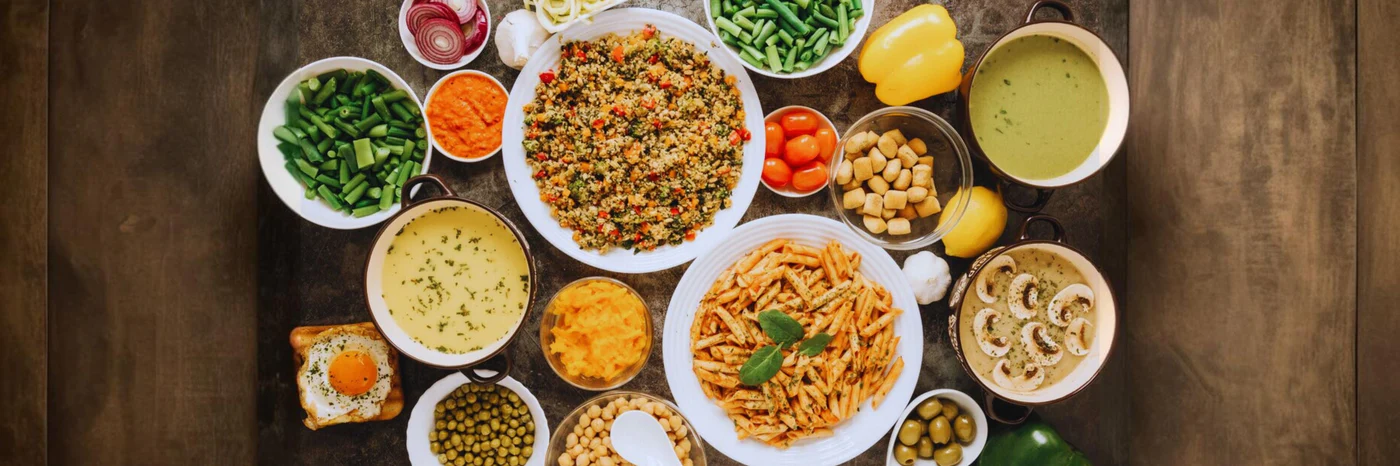
Protein plays a crucial role in muscle maintenance, hormone production, immune function, and overall health. Plant-based protein sources often come with added benefits such as fiber and antioxidants, which are absent in many animal products. Including a variety of these high-protein vegetarian foods ensures a more complete amino acid profile and better long-term nutrition.
Final Thoughts
A vegetarian diet can be just as protein-rich as a meat-based one when planned wisely. Soybeans, lentils, chickpeas, pumpkin seeds, and almonds prove that plant foods are more than capable of meeting protein needs. By rotating these foods into your meals, you can build strength, stay energized, and enjoy a diverse, nutrient-dense diet—without meat.
