







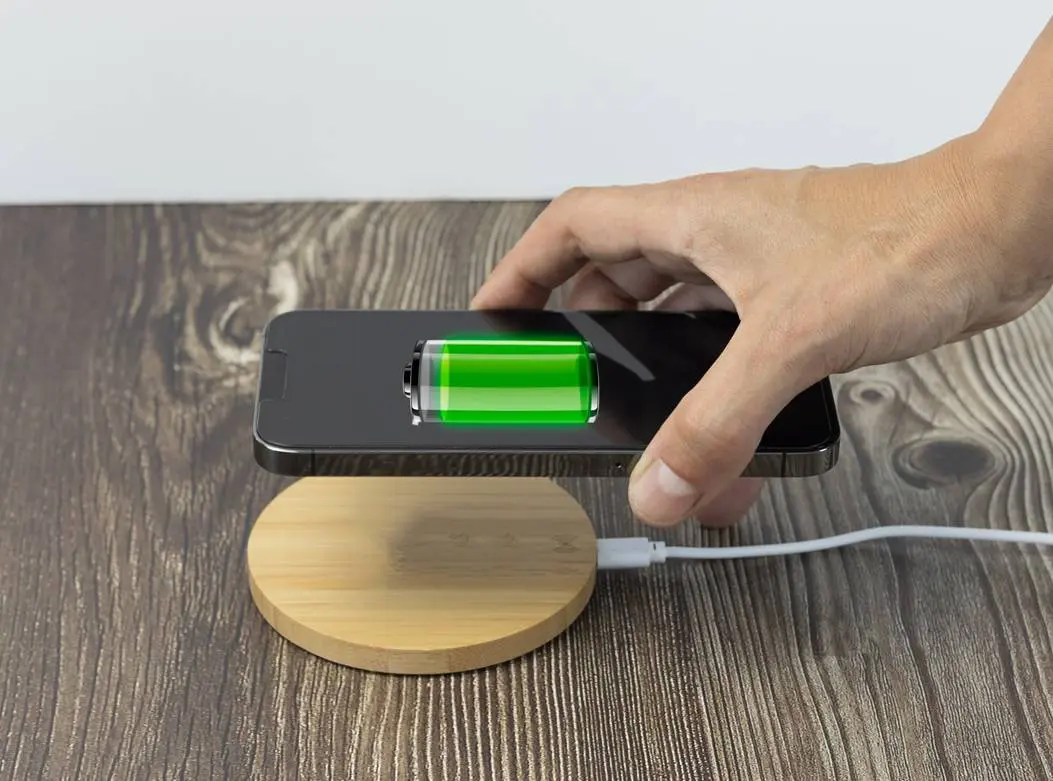
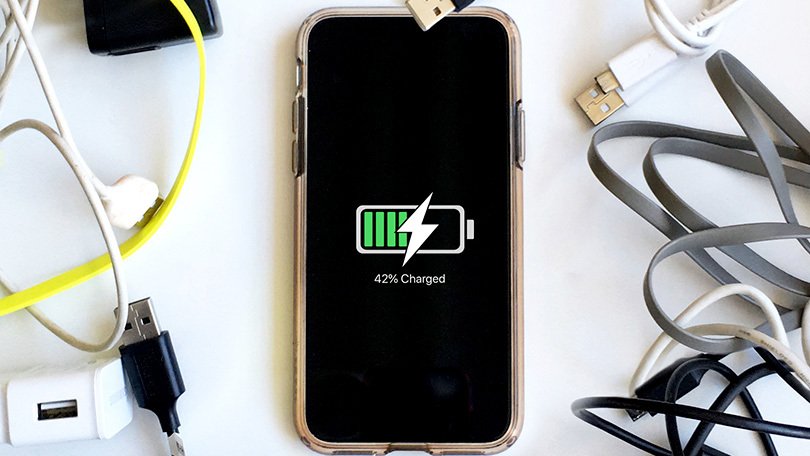
For decades, charging devices meant dealing with tangled cables, worn-out connectors, and the constant search for the right plug. Wireless charging changed that by allowing users to power their devices simply by placing them on a charging pad. Now, the next generation of wireless charging technology is pushing even further—promising faster speeds, longer distances, and a world where cables may eventually become obsolete. From smartphones and wearables to electric vehicles and smart homes, next-gen wireless charging is reshaping how we think about power and convenience.
Traditional wireless charging works through inductive charging, where energy transfers between coils in a charger and a device when they are placed very close together. While convenient, early versions required precise alignment and often delivered slower charging speeds compared to wired connections. Next-generation systems are improving these limitations with advanced coil designs, stronger energy transfer methods, and intelligent power management that adapts to different devices automatically.


One of the biggest advancements is multi-device charging. Instead of carefully positioning a single device on a small pad, newer charging surfaces can power multiple gadgets at once—phones, earbuds, smartwatches, and more. Some charging tables and desks now include hidden charging zones that allow devices to be placed anywhere on the surface. This flexibility removes the frustration of finding the exact “sweet spot” and turns everyday furniture into convenient charging stations.
Another exciting development is long-range wireless charging. Unlike traditional contact-based charging, emerging technologies can transmit power across short distances through radio waves or magnetic resonance. This could enable devices to charge while sitting on a nearby desk or even while being used. Imagine a workspace where your phone, keyboard, and headphones stay powered throughout the day without ever being plugged in. Though still evolving, these innovations are laying the groundwork for truly cable-free environments.
Speed is also improving dramatically. Early wireless charging was known for being slower than wired options, but modern systems are closing that gap. Enhanced power delivery and smarter energy regulation allow compatible devices to charge rapidly while maintaining safe temperature levels. As manufacturers continue refining technology, the difference between wired and wireless charging speeds is becoming less noticeable, encouraging more people to switch to cable-free solutions.
Beyond personal gadgets, next-gen wireless charging is transforming industries. Electric vehicles are beginning to adopt wireless charging pads embedded in garages or parking spaces. Drivers simply park over a charging surface, and the vehicle charges automatically without needing cables. Public transportation systems are also exploring wireless charging solutions that allow buses to recharge at designated stops, improving efficiency and reducing downtime.
Smart homes and workplaces are expected to benefit greatly as well. Furniture with integrated charging capabilities could eliminate clutter and simplify interior design. Kitchens might include wireless charging countertops for small appliances, while offices could feature conference tables that keep laptops powered during meetings. These innovations highlight how wireless charging is becoming less of a feature and more of an invisible part of everyday infrastructure.
Sustainability is another potential advantage. Reducing the need for disposable cables and connectors could decrease electronic waste over time. Wireless charging systems designed with energy efficiency in mind may help optimize power usage by delivering only the energy required for each device. However, manufacturers must continue improving efficiency to ensure that wireless power remains environmentally responsible compared to traditional charging methods.
Despite its promise, next-gen wireless charging still faces challenges. Compatibility between devices and charging standards remains a concern, as different brands may support varying technologies. Long-range charging must also address safety regulations and potential energy loss during transmission. Additionally, infrastructure upgrades—such as installing wireless charging surfaces in public spaces—require significant investment and planning.

Looking ahead, artificial intelligence and smart sensors are expected to play a role in the evolution of wireless power. Intelligent charging systems could recognize devices automatically, adjust energy levels based on usage patterns, and even schedule charging during off-peak energy hours. As the Internet of Things continues to expand, seamless wireless power could help keep countless connected devices running without constant human intervention.
The vision of a fully cable-free future is no longer a distant dream. With advances in speed, range, and integration, next-gen wireless charging is steadily transforming how we power the technology around us. While cables may not disappear overnight, their role is gradually shrinking as wireless solutions become more practical and efficient. From clutter-free homes to smarter workplaces and sustainable energy use, the evolution of wireless charging signals a new era—one where power flows effortlessly, and the need to plug in may soon become a thing of the past.


