


Gaming has evolved far beyond a casual pastime. What was once seen as simple screen-based fun has transformed into a global cultural force influencing entertainment, technology, and even social interaction. In 2026, gaming is not just about playing—it’s about communities, creativity, and immersive experiences that blur the line between virtual and real worlds.
One of the biggest shifts in gaming today is its mainstream acceptance. Games are no longer limited to niche audiences or specific age groups. From mobile puzzle games to expansive open-world adventures and competitive esports titles, gaming now caters to every demographic. This inclusivity has helped gaming surpass traditional entertainment industries in both revenue and cultural impact.
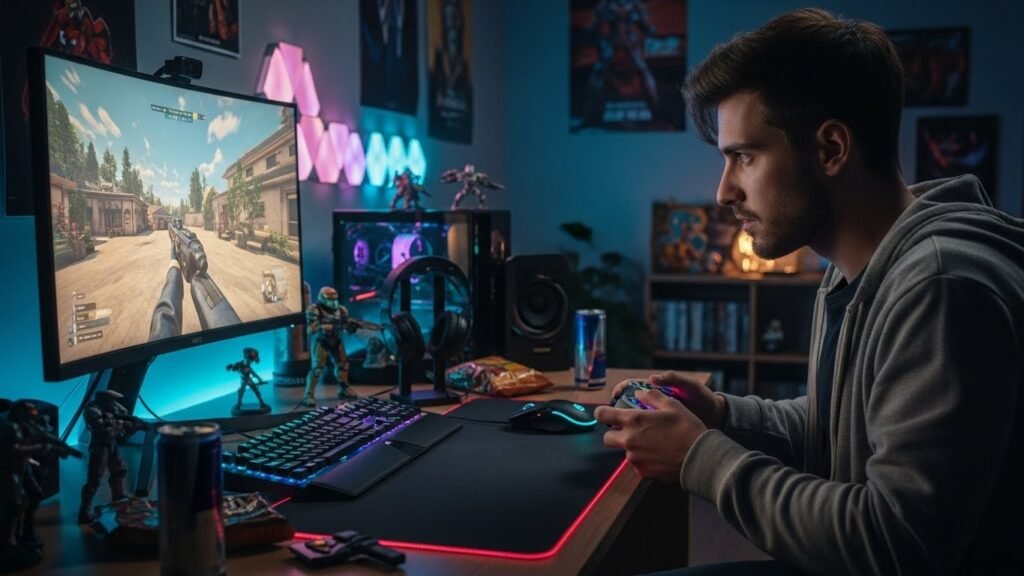
Cloud gaming is another trend shaping the modern gaming landscape. With faster internet speeds and improved streaming technology, players can now access high-quality games without expensive hardware. This shift lowers entry barriers and allows gamers to play across multiple devices seamlessly. As a result, gaming is becoming more accessible, flexible, and convenient than ever before.
The rise of live-service games has also changed how players engage with content. Instead of purchasing a game once and moving on, players now participate in evolving worlds that receive regular updates, new storylines, and seasonal events. This model keeps communities active and invested over long periods, turning games into ongoing experiences rather than one-time products.
Social interaction is at the heart of modern gaming. Multiplayer platforms and in-game communication tools allow players to connect with friends and strangers across the globe. Gaming has become a digital meeting place where people collaborate, compete, and build lasting relationships. For many, games are not just entertainment but a primary way to socialize and unwind.
Another major trend is the increasing focus on storytelling and emotional depth. Modern games rival films and television series in narrative complexity, character development, and cinematic presentation. Players are no longer passive viewers—they actively shape stories through their choices and actions. This interactive storytelling creates a deeper emotional connection, making gaming experiences more memorable and personal.
User-generated content is also playing a crucial role in gaming’s evolution. Many platforms empower players to create their own levels, mods, and in-game items. This creativity extends a game’s lifespan and fosters a sense of ownership within the community. Gamers are no longer just consumers; they are co-creators shaping the worlds they play in.
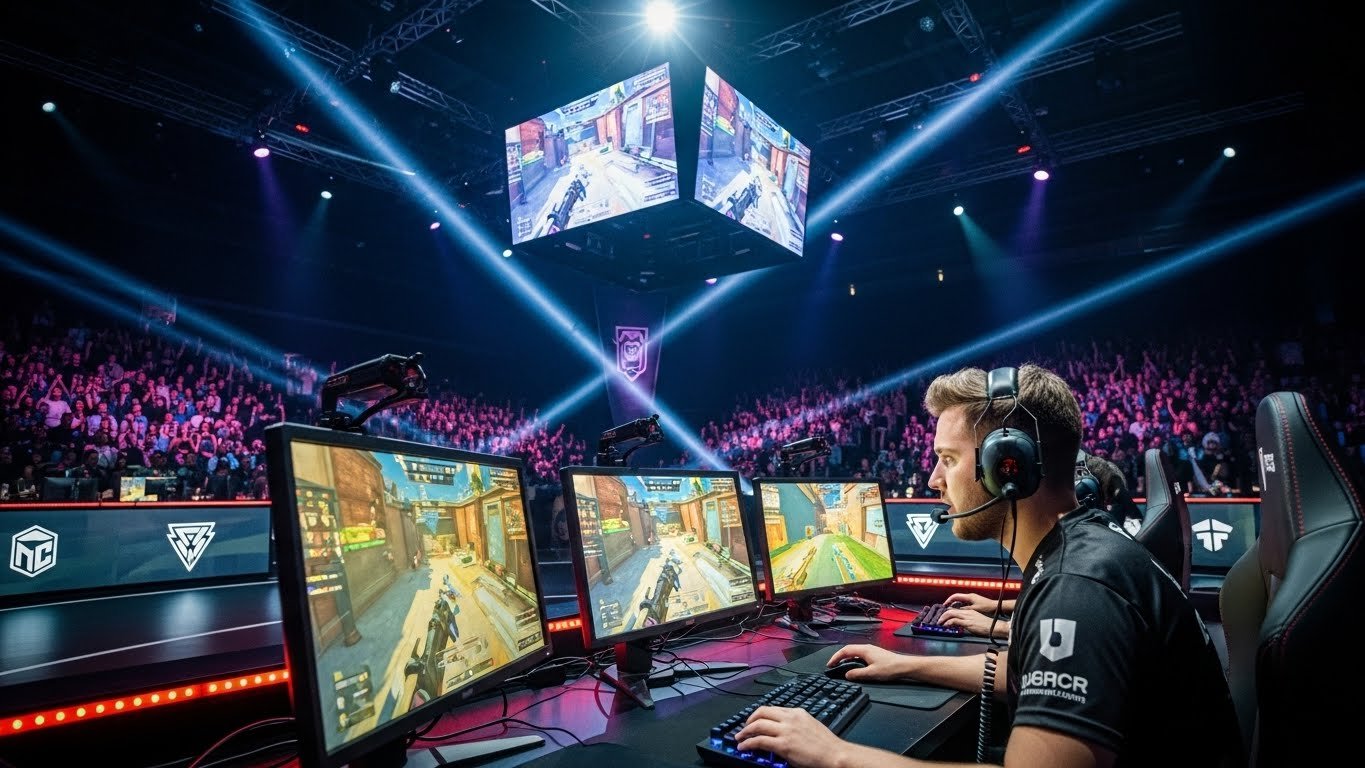
Esports continues to gain momentum as a legitimate form of competition and entertainment. Professional gaming tournaments attract massive online audiences and fill arenas worldwide. Streamers and content creators have become influential figures, shaping trends and introducing new games to millions of viewers. This ecosystem has turned gaming into both a career path and a spectator sport.
Technology is pushing immersion to new levels. Virtual reality, augmented reality, and advanced haptic feedback are redefining how players experience games. These innovations aim to make gameplay more intuitive and realistic, pulling players deeper into digital worlds. While still evolving, immersive tech signals a future where gaming experiences feel increasingly lifelike.

Looking ahead, gaming shows no signs of slowing down. It continues to adapt alongside technological advancements and cultural shifts. As boundaries between gaming, entertainment, and social platforms continue to blur, the industry’s influence will only grow stronger.
In 2026, gaming stands as a powerful form of expression and connection. It entertains, inspires, and brings people together across borders and backgrounds. More than just pixels on a screen, gaming has become a dynamic space where imagination, competition, and community thrive—reshaping how the world plays, connects, and creates.
