


Esports has exploded into a billion-dollar industry, with professional tournaments filling stadiums and streaming to millions of fans worldwide. Traditionally, the spotlight has belonged to PC and console titles like League of Legends, Counter-Strike 2, and Call of Duty. But in recent years, a new contender has entered the arena: mobile esports. With games like PUBG Mobile, Free Fire, and Mobile Legends: Bang Bang attracting massive audiences, many are asking—can mobile esports truly rival PC and console tournaments?
The Rise of Mobile Esports
Mobile gaming has grown far beyond its humble beginnings with casual titles like Angry Birds or Candy Crush. Today’s smartphones rival the performance of older consoles, capable of running competitive, high-graphics games designed specifically for esports.
The global reach of mobile is its biggest advantage. Unlike expensive PCs or consoles, smartphones are accessible to billions. Countries such as India, Brazil, and Indonesia have become epicenters of mobile esports, with tournaments attracting tens of millions of viewers. The PUBG Mobile Global Championship 2023 drew more than 30 million live viewers, rivaling some of the biggest PC tournaments.
Accessibility and Inclusivity
One of mobile esports’ strongest selling points is accessibility. Nearly everyone owns a smartphone, and many popular titles are free-to-play. This democratizes entry into esports, allowing players from diverse backgrounds to compete without needing high-end hardware or expensive peripherals.
For fans, spectating is just as easy. Matches can be streamed directly on the same device they’re played on, bridging the gap between participation and fandom. This accessibility makes mobile esports a natural gateway for younger and more casual audiences.
The Professional Scene
The professional ecosystem for mobile esports is growing rapidly. Major publishers like Tencent, Riot Games, and Garena are investing heavily in global tournaments with multi-million-dollar prize pools. Teams once focused solely on PC titles are now fielding competitive mobile squads, signaling a recognition of its legitimacy.
In regions like Southeast Asia, mobile titles often outperform PC esports in popularity and viewership. For example, Mobile Legends: Bang Bang is a cultural phenomenon in countries such as the Philippines and Malaysia, with tournaments rivaling traditional sports in popularity.
Challenges Mobile Esports Face
Despite rapid growth, mobile esports faces several hurdles before it can truly rival PC and console tournaments:
- Perception Issues: Many hardcore gamers still dismiss mobile as “casual” or less skill-intensive compared to PC or console play. Overcoming this stigma will take time and consistent demonstration of high-level competitive play.
- Hardware Variability: Unlike standardized consoles, smartphones vary greatly in performance. Tournament organizers often provide devices, but differences in refresh rates, battery life, and touch sensitivity can still affect fairness.
- Controls and Depth: Touchscreen controls, while accessible, are often seen as less precise than a mouse or controller. Though developers are innovating with custom layouts and adaptive settings, there remains a skill ceiling debate.
- Global Fragmentation: PC esports titles like League of Legends have unified global ecosystems, while mobile esports is still fragmented across regions and publishers. Building consistent, international structures is key to long-term growth.
Can Mobile Rival PC and Console?
The short answer: yes, but differently. Mobile esports isn’t trying to replicate the exact experience of PC and console tournaments—it’s carving its own path. Its strength lies in accessibility, inclusivity, and global reach. While PC titles dominate in North America and Europe, mobile is winning in Asia, Latin America, and the Middle East, where smartphones are the primary gaming devices.
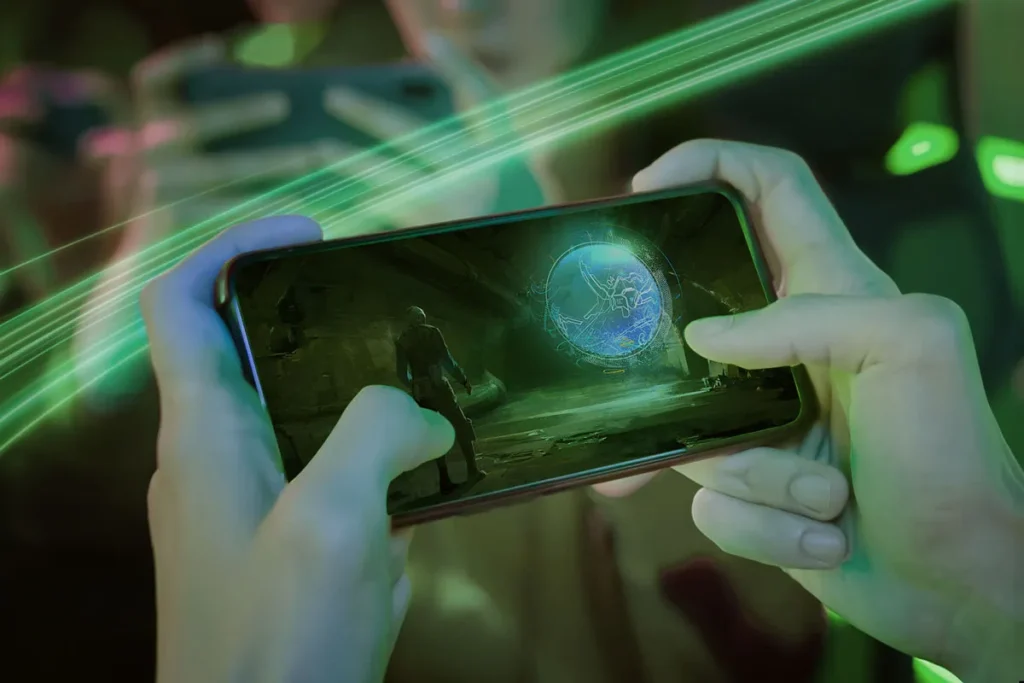
As prize pools grow and production values match PC tournaments, mobile esports is already proving it can stand shoulder-to-shoulder with traditional platforms. The question isn’t whether it will rival PC and console, but how soon mainstream recognition will follow.
Final Thoughts
Mobile esports represents the next wave of competitive gaming. With billions of potential players and fans, it has the numbers to rival—if not surpass—PC and console tournaments in global impact. While challenges remain in perception and infrastructure, the momentum is undeniable.
In the end, esports isn’t defined by the device—it’s defined by competition, passion, and community. And by those measures, mobile esports is already a force to be reckoned with.
