







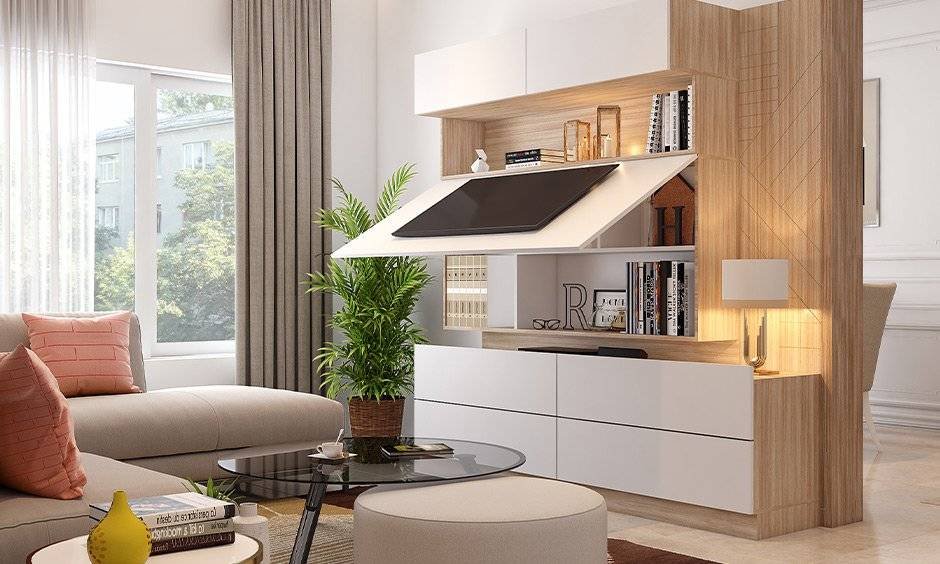
In today’s urban lifestyle, where apartments are getting smaller and city living is on the rise, maximizing space without sacrificing style has become essential. Small spaces can feel cramped and cluttered if not designed thoughtfully, but with the right combination of smart storage solutions, multifunctional furniture, and aesthetic décor choices, even the tiniest home can feel spacious, comfortable, and visually appealing.
1. Multifunctional Furniture: Style Meets Utility
One of the easiest ways to save space is to invest in multifunctional furniture. Think of sofas that double as beds, coffee tables with hidden compartments, or foldable dining tables that expand only when needed.
For instance, a storage ottoman can serve as a footrest, extra seating, and a hidden space for blankets or magazines. Wall-mounted desks and Murphy beds are also excellent for small bedrooms or home offices, allowing you to reclaim floor space when items aren’t in use.

Modern designers are blending functionality with style, ensuring that furniture doesn’t just serve a practical purpose but also enhances the room’s aesthetic. Choosing pieces in neutral tones or sleek materials helps maintain a sense of openness.
2. Vertical Space: Think Upwards
When floor space is limited, vertical storage becomes your best friend. Shelving units that stretch from floor to ceiling, wall-mounted racks, and hanging organizers make use of otherwise wasted vertical areas.
Kitchens benefit from hanging pot racks, spice shelves, and magnetic knife strips. Living rooms and bedrooms can incorporate tall bookshelves, floating shelves, or pegboards for decorative items. By elevating storage, you keep essentials accessible without cluttering surfaces or walking areas.
Additionally, vertical décor, such as tall mirrors or vertical garden walls, draws the eye upward, giving the illusion of height and spaciousness.
3. Hidden Storage: Declutter Without Compromise
Clutter is the nemesis of small spaces, but it can be managed with hidden storage solutions. Beds with drawers underneath, staircases with storage cubbies, or even wall panels that conceal shelving offer ways to tuck items away neatly.
Even decorative items like baskets, trunks, or vintage suitcases can double as storage while adding character to the space. The key is to blend storage seamlessly with décor, so functionality doesn’t compromise style.
Minimalist approaches, where every item has a home, also reduce visual chaos and create a calming environment, which is crucial in a small apartment.
4. Mirrors and Light: Creating an Illusion of Space
Small spaces often feel constrained due to lack of light or poorly chosen décor. Strategically placed mirrors reflect natural and artificial light, creating the impression of a larger room. Large mirrors on walls, mirrored furniture, or mirrored tiles can make a living area feel open and airy.
Lighting is equally important. Layered lighting — combining ceiling lights, floor lamps, and wall sconces — brightens corners and eliminates shadows, making rooms appear bigger. Light-colored paint, metallic accents, and glass furniture also enhance the sense of openness.
5. Flexible Zones: Define Spaces Without Walls
Open floor plans are common in modern apartments, but small spaces can benefit from flexible zoning techniques. Rugs, lighting, and furniture arrangements can define functional areas without the need for walls.
For example, a sofa can separate the living area from a dining nook, while a bookshelf can act as a subtle divider for a home office corner. Using curtains, sliding panels, or open shelving allows for adaptable spaces that can change as your needs evolve.
6. Minimalism and Intentional Décor
In compact spaces, less is often more. Minimalist décor, with carefully selected pieces, avoids clutter and emphasizes quality over quantity. Plants, artwork, or a single statement piece can elevate a room without overwhelming it.

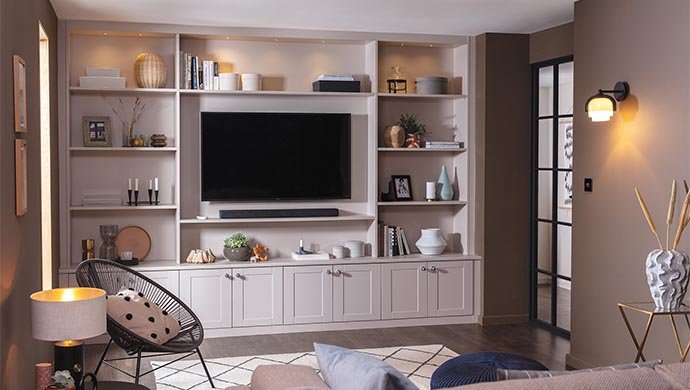
Choosing multi-sensory elements — soft textiles, textured rugs, or layered lighting — adds warmth and personality, proving that even small homes can be cozy, stylish, and functional.
Conclusion: Living Big in Small Spaces
Small living spaces don’t have to feel limiting. With creative storage solutions, multifunctional furniture, clever use of vertical space, and intentional décor choices, every square foot can be optimized.
Maximizing a small home is about balance — combining aesthetics with practicality, ensuring that every corner has a purpose while still reflecting your personal style. By thinking creatively, you can transform compact apartments into stylish, efficient, and inviting sanctuaries that feel far larger than their square footage.
In 2025, small-space living is not just a necessity; it’s an opportunity to innovate, organize, and redefine home décor — proving that big style can thrive even in tiny spaces.


