


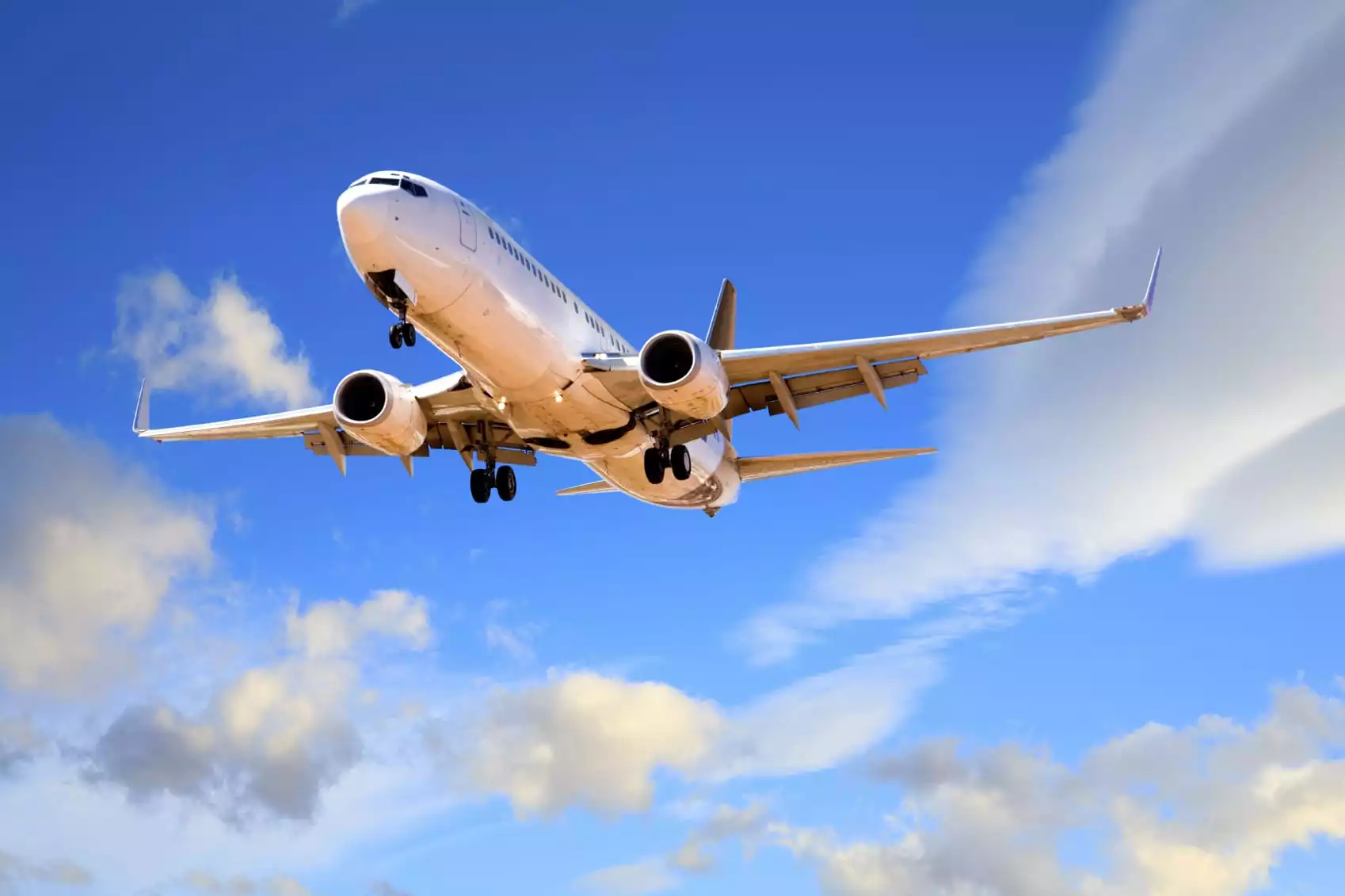
Few sights spark as much curiosity as an airplane rising smoothly off the runway and climbing into the sky. Thousands of kilograms of metal, passengers, and cargo somehow defy gravity, cruising effortlessly at high altitude. It may look almost magical, but the truth is both simpler and more fascinating. Airplanes stay in the sky because of a careful balance of speed, shape, and physics working together in harmony.
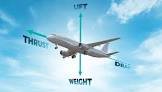
At the center of this mystery is a force called lift. Lift is the upward force that counters gravity and allows an airplane to fly. It is generated primarily by the wings as air moves around them. The unique shape of an airplane wing, known as an airfoil, is designed to control how air flows above and below it. When an airplane moves forward fast enough, this airflow creates the lift needed to rise and remain airborne.

One common explanation involves air moving faster over the curved top of the wing than underneath it. As air speeds up, its pressure decreases. This creates lower pressure above the wing and higher pressure below it, pushing the wing upward. While this idea helps explain part of the process, it’s not the whole story. Equally important is how the wing deflects air downward. As the wing moves through the air at a slight angle, it pushes air toward the ground. According to Newton’s laws of motion, pushing air downward creates an equal and opposite reaction—an upward force that lifts the plane.
Speed plays a crucial role in generating lift. The faster an airplane moves, the more air flows over its wings, increasing lift. This is why planes need long runways to take off. As the aircraft accelerates, the lift builds until it becomes strong enough to overcome gravity. Once airborne, the plane continues moving forward, maintaining the airflow needed to stay in the sky.
Engines are often misunderstood as the source of lift, but their main job is to provide thrust, not lift. Thrust moves the airplane forward, allowing the wings to do their work. Whether powered by jet engines or propellers, all airplanes rely on forward motion to keep air flowing smoothly over the wings. Without thrust, lift quickly decreases, and the plane would begin to descend.
Control surfaces on the wings and tail help pilots manage flight. Flaps, which extend from the wings during takeoff and landing, increase the wing’s surface area and angle, creating extra lift at lower speeds. The elevator, rudder, and ailerons allow the pilot to climb, turn, and stay balanced. Together, these controls make flight stable and adjustable, even in changing conditions.
Air density also affects how airplanes stay aloft. At higher altitudes, the air is thinner, meaning there are fewer air molecules to generate lift. To compensate, planes fly faster and use longer wingspans. This is why commercial aircraft cruise at high altitudes where the air is thinner but more efficient for long-distance travel.
Weather and airflow matter too. Headwinds can help planes take off by increasing airflow over the wings, while turbulence occurs when air moves unevenly. Modern aircraft are designed to handle these changes safely, using flexible wings and advanced systems that respond quickly to shifting conditions.
In the end, airplanes stay in the sky through a beautiful balance of physics rather than mystery. Lift, thrust, speed, and design work together to overcome gravity in a predictable and reliable way. The next time you look out of an airplane window, remember that it’s not magic holding you aloft—it’s science, quietly and confidently doing its job.
