


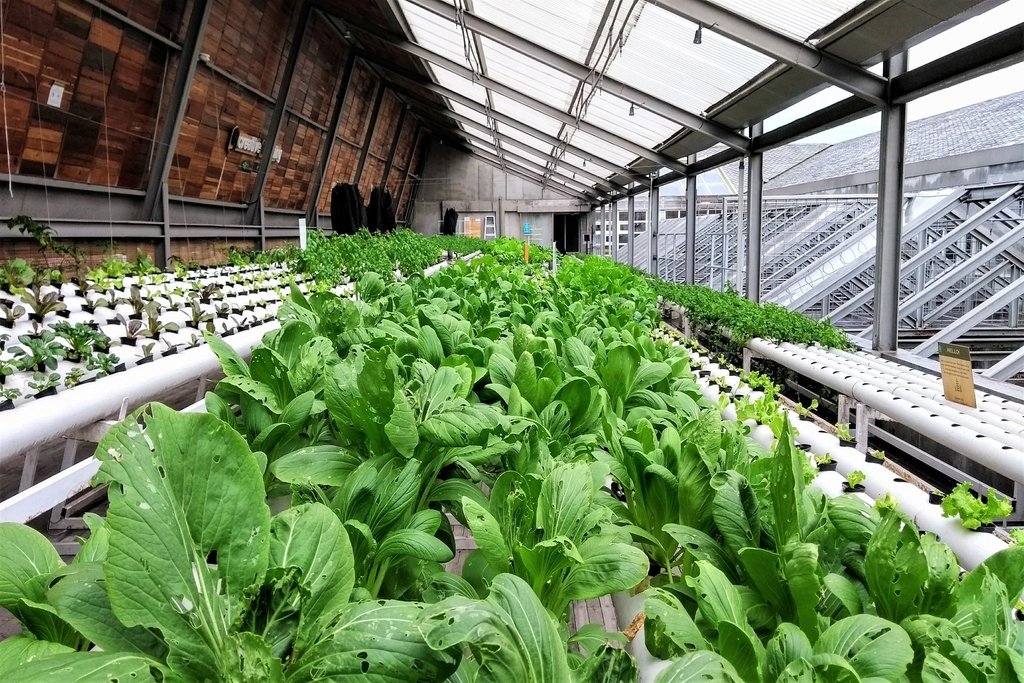
As cities grow denser and skylines rise higher, urban life faces two pressing challenges: deteriorating air quality and increasing food insecurity. Concrete landscapes trap pollution, reduce green cover, and disconnect people from food sources. In response, an innovative and practical solution is taking root above our heads—rooftop gardening. What was once a niche hobby is now emerging as a smart, scalable response to some of the most urgent problems facing modern cities.
Rooftop gardens turn unused urban surfaces into productive green spaces. These elevated gardens can range from small container setups to expansive vegetable beds and even community-managed farms. By reimagining rooftops as living landscapes, cities gain new tools to combat pollution while improving access to fresh, nutritious food.
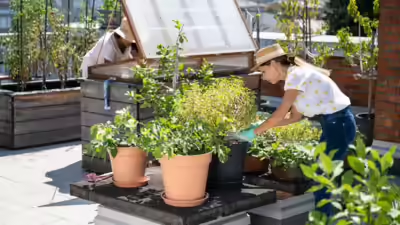
One of the most immediate benefits of rooftop gardening is its impact on air quality. Plants naturally absorb carbon dioxide and release oxygen, but they also capture airborne pollutants such as dust, smoke, and fine particulate matter. In cities where traffic and industrial emissions dominate, even modest increases in green cover can make a measurable difference. Rooftop gardens act like natural air filters, especially when implemented across multiple buildings in dense neighborhoods.
Beyond filtering pollutants, rooftop greenery helps regulate urban temperatures. Bare rooftops absorb and radiate heat, contributing to the urban heat island effect. Gardens, on the other hand, cool the surrounding air through shade and evapotranspiration. Lower temperatures reduce the need for air conditioning, which in turn decreases energy consumption and emissions. This creates a positive feedback loop where greener roofs lead to cleaner air and lower environmental strain.
Food insecurity is another growing urban concern. Many city residents live far from fresh food markets or rely heavily on processed foods due to cost and access barriers. Rooftop gardening offers a local solution. Vegetables, herbs, and fruits grown just meters above living spaces shorten supply chains dramatically. This hyper-local food production reduces dependence on long-distance transport, lowers costs, and ensures fresher, more nutritious produce.
For households, rooftop gardens can supplement daily food needs and provide a sense of independence. For apartment complexes, schools, or offices, shared rooftop gardens can supply communities with regular harvests. Even small yields can have meaningful impact when combined with education on nutrition and sustainable growing practices.
Rooftop gardening also strengthens urban resilience. Climate change has exposed vulnerabilities in global food systems, from supply disruptions to rising prices. Local food production adds a layer of security, especially during emergencies. Cities with distributed growing spaces are better equipped to adapt to unexpected challenges.
The social benefits are equally significant. Rooftop gardens create opportunities for community interaction, skill-sharing, and mental well-being. Gardening has been shown to reduce stress and improve focus—an important benefit in fast-paced urban environments. These green spaces offer moments of calm, helping reconnect people with nature in places where it is often scarce.
Technology has made rooftop gardening more accessible than ever. Lightweight soil systems, drip irrigation, and modular planters allow gardens to thrive even on buildings with structural limitations. Vertical gardening and hydroponic systems further maximize yield in limited space, making rooftops viable even in the most crowded cities.
Policy and design are beginning to catch up with this potential. Some cities now incentivize green roofs through tax benefits, building codes, or sustainability certifications. Architects increasingly integrate rooftop gardens into new developments, recognizing their long-term environmental and social value.

Of course, challenges remain. Initial setup costs, maintenance, and access to water can be barriers. However, these obstacles are often outweighed by long-term savings in energy, health, and food expenses. With proper planning and community support, rooftop gardens are both practical and sustainable.
Rooftop gardening is more than a trend—it is a shift in how cities think about space, resources, and responsibility. By growing food above the streets and filtering air above the noise, urban rooftops become powerful tools for change. In a future shaped by environmental and social pressures, looking upward may be one of the smartest ways cities can grow forward.
