


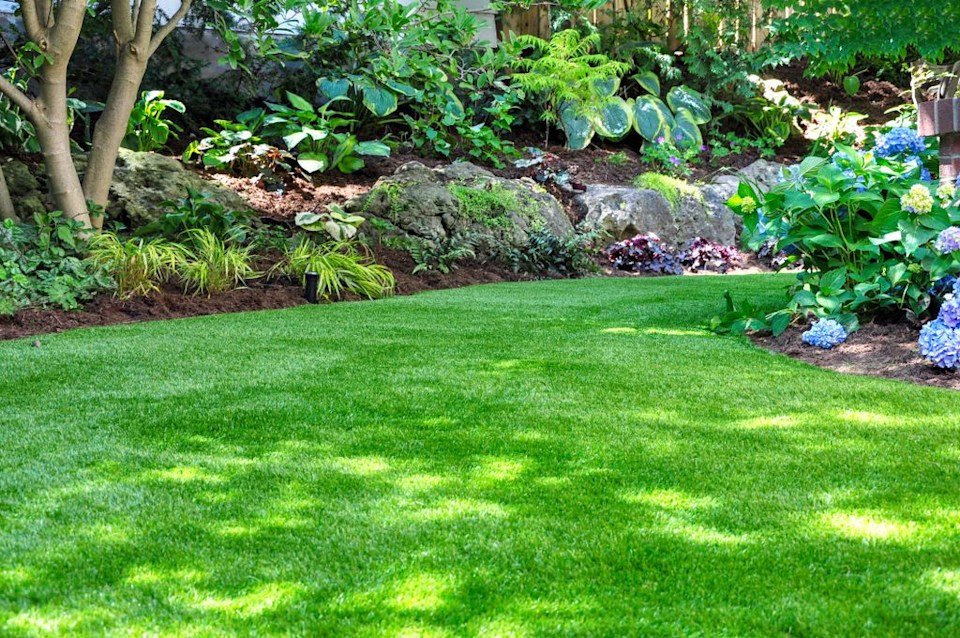
Home and garden design is moving toward a more thoughtful, expressive, and human-centered approach. Instead of chasing short-lived trends, homeowners are focusing on creating spaces that feel alive—places that support daily routines, inspire creativity, and encourage rest. Modern house and garden living is about balance, beauty, and intentional choices.
One of the strongest trends shaping homes today is the idea of “slow living.” Spaces are designed to reduce stress and encourage presence. Soft lighting, uncluttered layouts, and comfortable furniture create environments where people can unwind. Homes are becoming quieter and more calming, offering a counterbalance to fast-paced lifestyles.
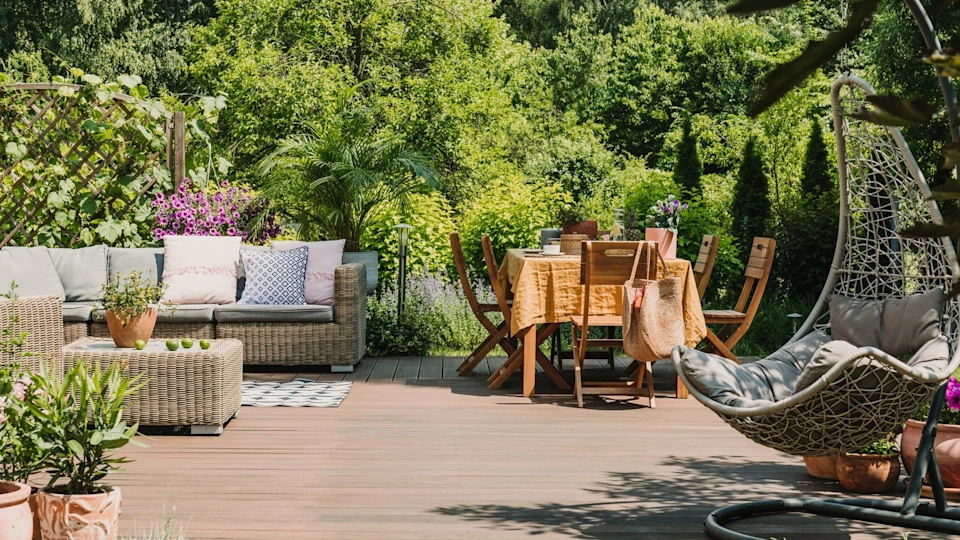
Texture plays a key role in elevating interiors. Layered fabrics, natural finishes, and handcrafted elements add warmth and depth. Linen curtains, woven rugs, ceramic décor, and wooden accents bring a tactile quality that makes spaces feel welcoming. These textures create visual interest without overwhelming the senses.
Indoor-outdoor flow continues to influence home design. Large windows, sliding doors, and open layouts help connect interiors with gardens or balconies. This seamless transition allows natural light and fresh air to become part of daily life. Even small outdoor areas are treated as valuable extensions of the home.
Garden spaces are becoming more experiential rather than purely decorative. Instead of focusing only on appearance, homeowners are designing gardens for use and enjoyment. Seating areas, shaded corners, and walking paths encourage time spent outdoors. Gardens are seen as living spaces that support relaxation, social interaction, and reflection.
Plant choices are becoming more purposeful. Native and drought-tolerant plants are favored for their resilience and low maintenance. These plants support local wildlife and reduce water consumption. Mixing ornamental plants with edible varieties creates gardens that are both beautiful and functional.
Lighting design is gaining importance in both houses and gardens. Indoors, warm lighting enhances comfort and mood. Outdoors, subtle lighting highlights plants, paths, and architectural features. Thoughtful lighting extends the usability of garden spaces into the evening, creating a cozy and inviting atmosphere.
Sustainability continues to guide home and garden decisions. Eco-conscious materials, energy-efficient systems, and mindful water use are becoming standard. Choosing quality items that last longer reduces waste and supports responsible living. Sustainability is no longer a trend—it is a lifestyle.
Personal storytelling is shaping modern home décor. Homes reflect the experiences, memories, and values of those who live in them. Travel souvenirs, handmade items, and family heirlooms add depth and meaning. Gardens also tell stories through plant selections, layouts, and seasonal changes.
Wellness-focused design is influencing how spaces are arranged. Quiet zones for reading, meditation, or creativity are intentionally included. Gardens designed with calming plants, natural textures, and gentle sounds support mental well-being. These spaces provide moments of pause and renewal.
Seasonal adaptability keeps home and garden spaces feeling fresh. Simple changes such as adding cushions, rotating plants, or adjusting lighting reflect seasonal moods. This adaptability helps maintain a sense of rhythm and connection with nature throughout the year.
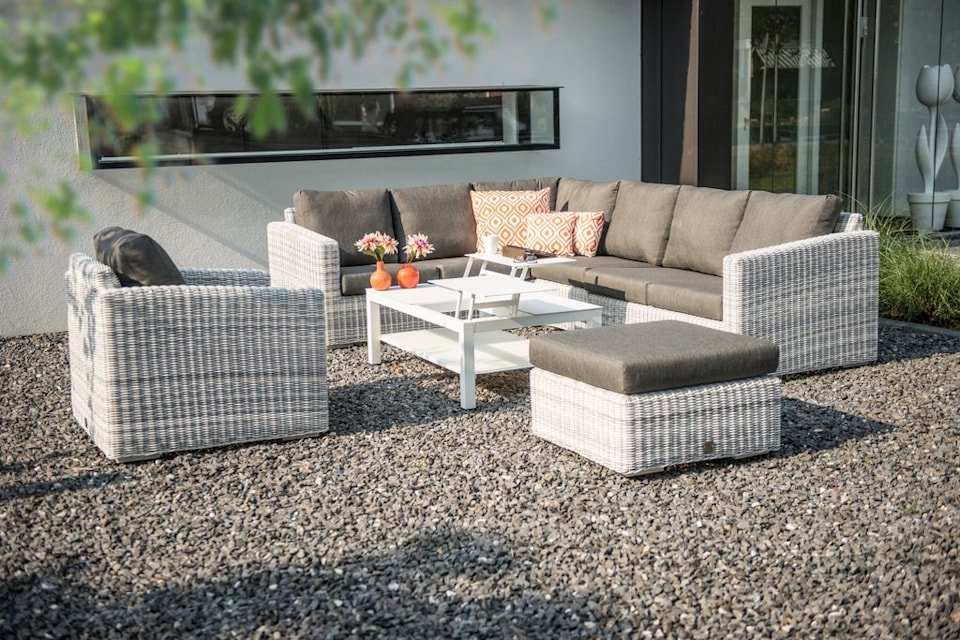
Ultimately, elevated home and garden design is about creating spaces that feel authentic and nurturing. When homes and gardens are designed with care, they become more than places to live—they become environments that support growth, comfort, and joy.
In embracing these trends, homeowners are shaping spaces that feel alive, meaningful, and deeply connected to everyday life.
