







The automotive industry is accelerating into a future defined by advanced technology, digital intelligence, and sustainable innovation. Vehicles are no longer isolated machines; they are becoming smart, connected platforms that learn, adapt, and interact with their environment. The newest automotive technologies are not just enhancing performance—they are redefining safety, efficiency, and the overall driving experience.
One of the most exciting developments is the evolution of software-defined vehicles. In these cars, software plays a central role in controlling everything from performance and infotainment to safety systems. Manufacturers can now deliver updates remotely, improving features or fixing issues without a visit to the service center. This approach extends vehicle life and allows cars to evolve over time, much like smartphones.

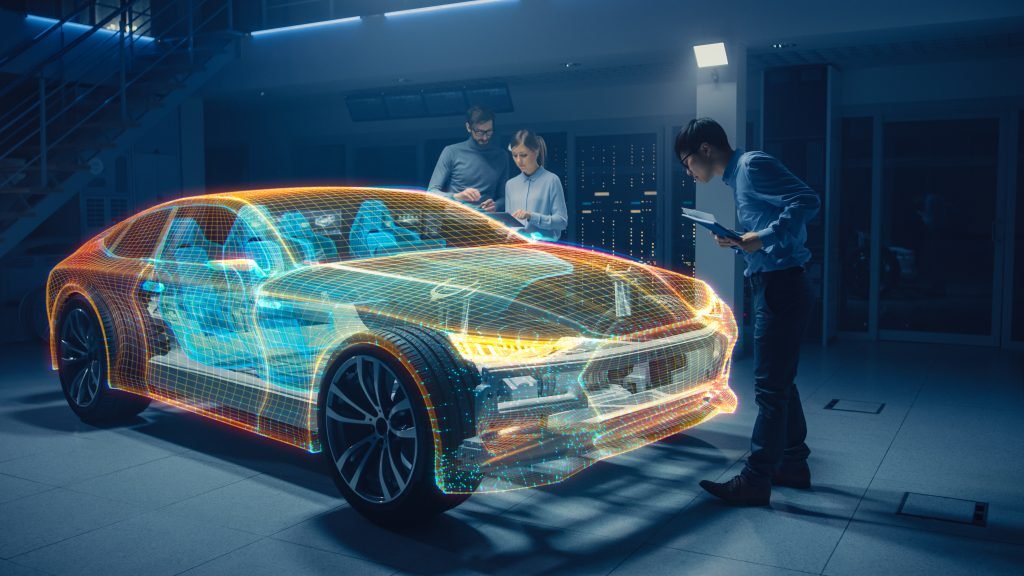
Artificial intelligence is also playing a critical role in modern vehicles. AI-powered systems analyze driving patterns, road conditions, and traffic behavior to support smarter decision-making. Predictive maintenance is one example, where AI monitors vehicle health and alerts drivers before problems occur. This technology reduces breakdowns, lowers maintenance costs, and improves reliability.
Advanced driver monitoring systems are becoming more common, using cameras and sensors to track driver alertness. These systems can detect signs of fatigue or distraction and issue warnings or even intervene if necessary. As safety standards rise globally, such technologies are expected to become standard features in many vehicles.
Battery technology continues to advance rapidly, especially in electric vehicles. Solid-state batteries are emerging as a promising innovation, offering higher energy density, faster charging, and improved safety compared to traditional lithium-ion batteries. While still in development, this technology could significantly increase driving range and reduce charging time, addressing two of the biggest concerns for electric vehicle adoption.
Another major innovation is vehicle-to-everything (V2X) communication. This technology allows vehicles to communicate with traffic lights, road infrastructure, pedestrians, and other cars. By sharing real-time information, V2X systems can help prevent accidents, reduce congestion, and optimize traffic flow. As smart cities develop, this connectivity will play a vital role in future mobility ecosystems.
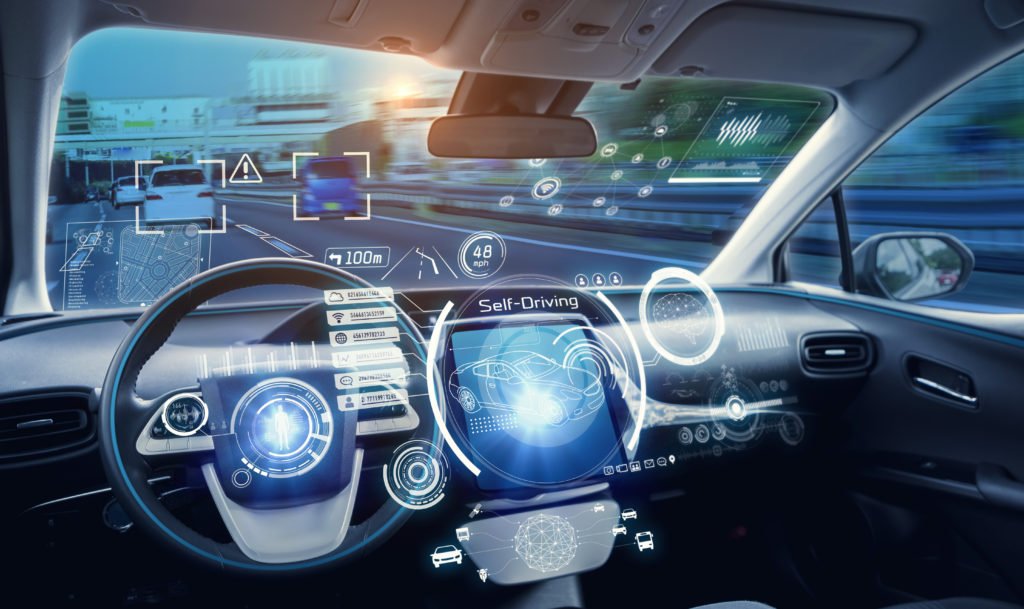
The in-car experience is also being transformed through augmented reality. Head-up displays now project navigation cues, speed information, and hazard alerts directly onto the windshield. This allows drivers to keep their eyes on the road while accessing essential data. Augmented reality enhances situational awareness and makes driving more intuitive and less distracting.
Autonomous driving technology continues to progress through advanced sensor fusion. Modern vehicles combine data from cameras, radar, lidar, and ultrasonic sensors to create a detailed understanding of their surroundings. While full autonomy remains a long-term goal, these technologies are already enabling safer semi-autonomous features such as highway pilot systems and automated parking.
Sustainability-focused tech is expanding beyond electric powertrains. Energy recovery systems, improved aerodynamics, and lightweight materials help vehicles consume less energy overall. Even traditional engines are becoming more efficient through advanced combustion techniques and hybrid assistance.

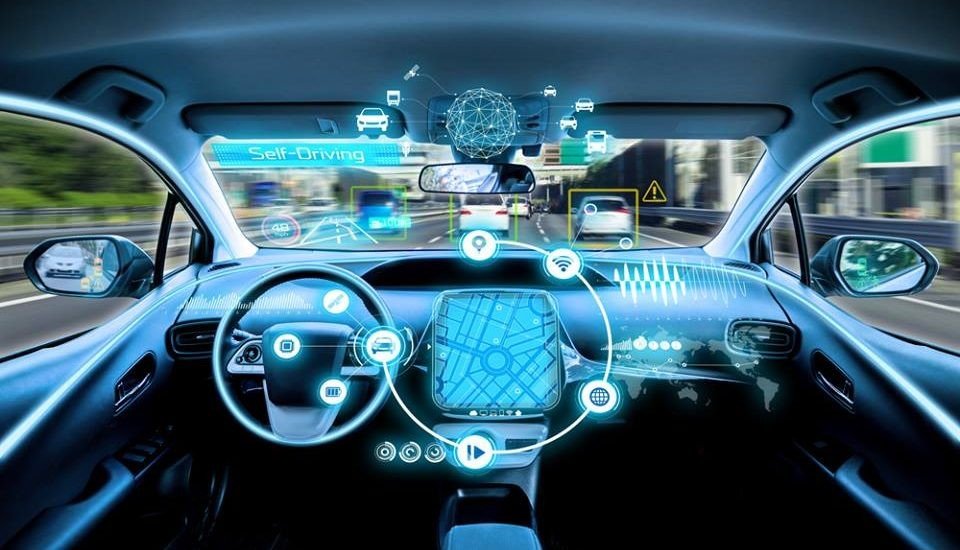
Finally, cybersecurity has become a crucial focus as vehicles grow more connected. Automakers are investing in encrypted systems, secure data architecture, and continuous monitoring to protect vehicles from digital threats. Ensuring data privacy and system integrity is essential for maintaining trust in connected mobility.
Together, these new technologies are reshaping what it means to own and drive a car. The modern automobile is evolving into a smart, responsive, and sustainable companion. As innovation continues, the future of mobility promises safer roads, cleaner transportation, and a driving experience that is more intelligent than ever before.


