


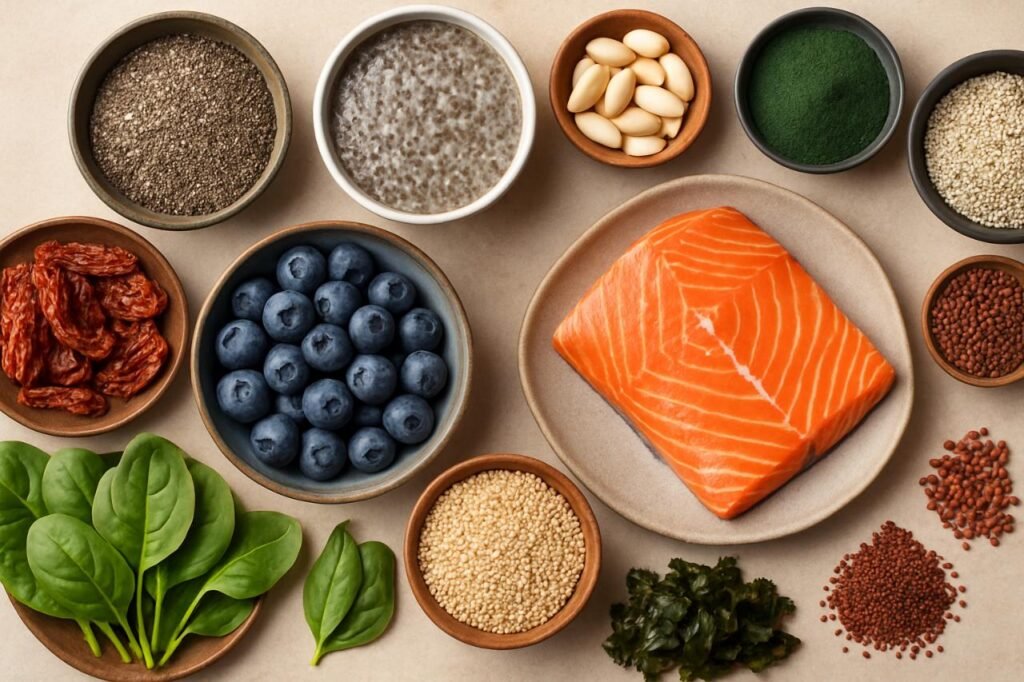
Eating healthy doesn’t have to mean complicated diets or expensive ingredients. Often, the best nutrition comes from simple, everyday foods that provide essential vitamins, minerals, and antioxidants. From crunchy almonds to leafy spinach, nutrient-rich foods can easily fit into daily meals and help support energy levels, immunity, and overall well-being. Building a routine around these wholesome choices is one of the easiest ways to maintain a balanced lifestyle.
Almonds are one of the most convenient nutrient-dense foods you can add to your daily diet. Packed with healthy fats, protein, fiber, and vitamin E, they are known for supporting heart health and providing lasting energy. A small handful makes a satisfying snack that helps curb hunger between meals. Almonds can also be added to breakfast bowls, smoothies, or salads for extra crunch and nutritional value. Because they are portable and require no preparation, they are ideal for busy routines.
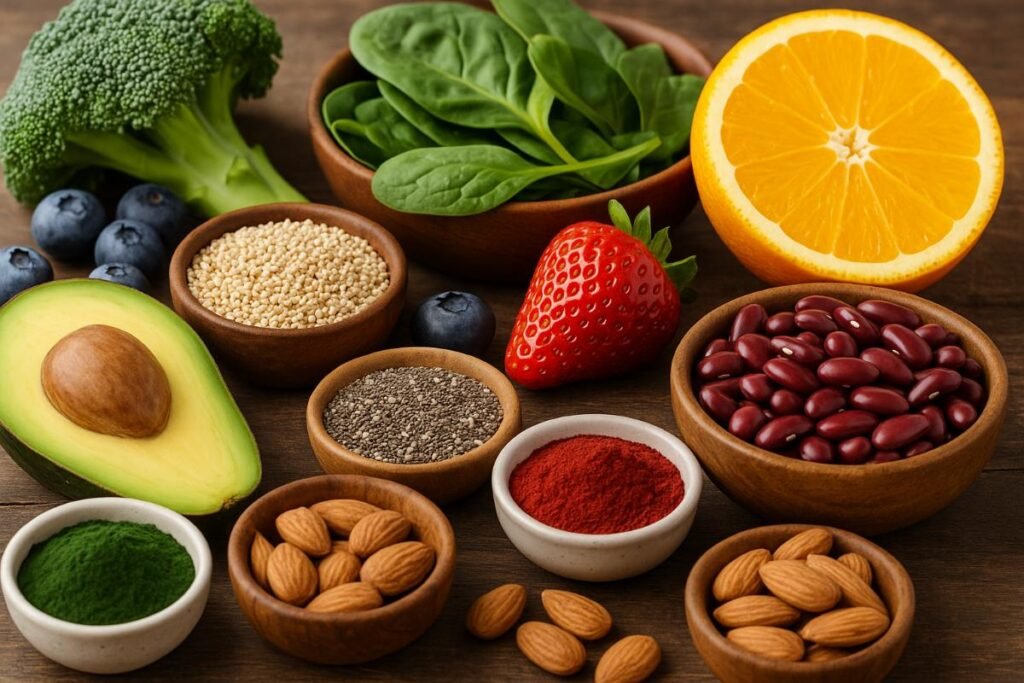
Spinach, on the other hand, is a leafy green powerhouse loaded with iron, calcium, folate, and antioxidants. Its versatility makes it easy to include in a wide range of dishes, from omelets and soups to smoothies and stir-fries. Regular consumption of spinach can support bone health, boost immunity, and contribute to healthy skin. Even a small serving each day can provide essential nutrients that many people struggle to get from processed foods.
Another everyday superfood is yogurt, especially varieties that contain live probiotics. Yogurt supports gut health by promoting beneficial bacteria, which play a key role in digestion and immunity. It also offers protein and calcium, making it a balanced choice for breakfast or snacks. Pairing yogurt with fruits and nuts can create a nutrient-packed meal that satisfies both taste and nutrition.
Berries such as blueberries, strawberries, and raspberries are rich in antioxidants and vitamin C. These compounds help protect cells from damage caused by oxidative stress. Berries are naturally sweet, making them a healthier alternative to sugary desserts. Adding a handful to cereal, oatmeal, or smoothies can increase both flavor and nutritional benefits without extra effort.
Whole grains like oats, quinoa, and brown rice are another important part of a daily nutrient-rich diet. They provide complex carbohydrates that release energy slowly, helping maintain steady blood sugar levels throughout the day. Whole grains are also high in fiber, which supports digestive health and helps you feel full longer. Starting the day with a bowl of oatmeal or including quinoa in a lunch salad can make meals more satisfying and nourishing.
Avocados have become popular for their creamy texture and heart-healthy fats. Rich in potassium, fiber, and vitamins, they contribute to brain health and help keep you feeling full. Sliced avocado on toast, added to salads, or blended into smoothies is a simple way to increase nutrient intake while enhancing flavor and texture.
Legumes like lentils, chickpeas, and black beans are excellent sources of plant-based protein, iron, and fiber. They are affordable, versatile, and easy to incorporate into soups, curries, or salads. Eating legumes regularly supports heart health and provides a filling alternative to heavily processed foods. For those following vegetarian or vegan diets, legumes are especially important for maintaining balanced nutrition.
Fresh fruits and vegetables in general should form the foundation of daily eating habits. Carrots, tomatoes, bell peppers, and citrus fruits all contribute essential vitamins and minerals that support immune function and overall health. Including a variety of colorful produce ensures a broader range of nutrients and helps make meals visually appealing.

While adding nutrient-rich foods is important, balance is equally essential. Portion sizes, preparation methods, and overall lifestyle choices all influence health outcomes. Drinking enough water, staying physically active, and minimizing highly processed foods can enhance the benefits of a nutrient-focused diet. Simple changes, such as swapping sugary snacks for nuts or adding a side of greens to dinner, can make a noticeable difference over time.
Ultimately, building a daily routine around foods like almonds, spinach, yogurt, berries, whole grains, and legumes doesn’t require drastic changes. Small, consistent choices can lead to improved energy, better digestion, and stronger overall health. By focusing on wholesome, nutrient-rich ingredients, anyone can create meals that are both delicious and nourishing, making healthy living a sustainable and enjoyable part of everyday life.
