







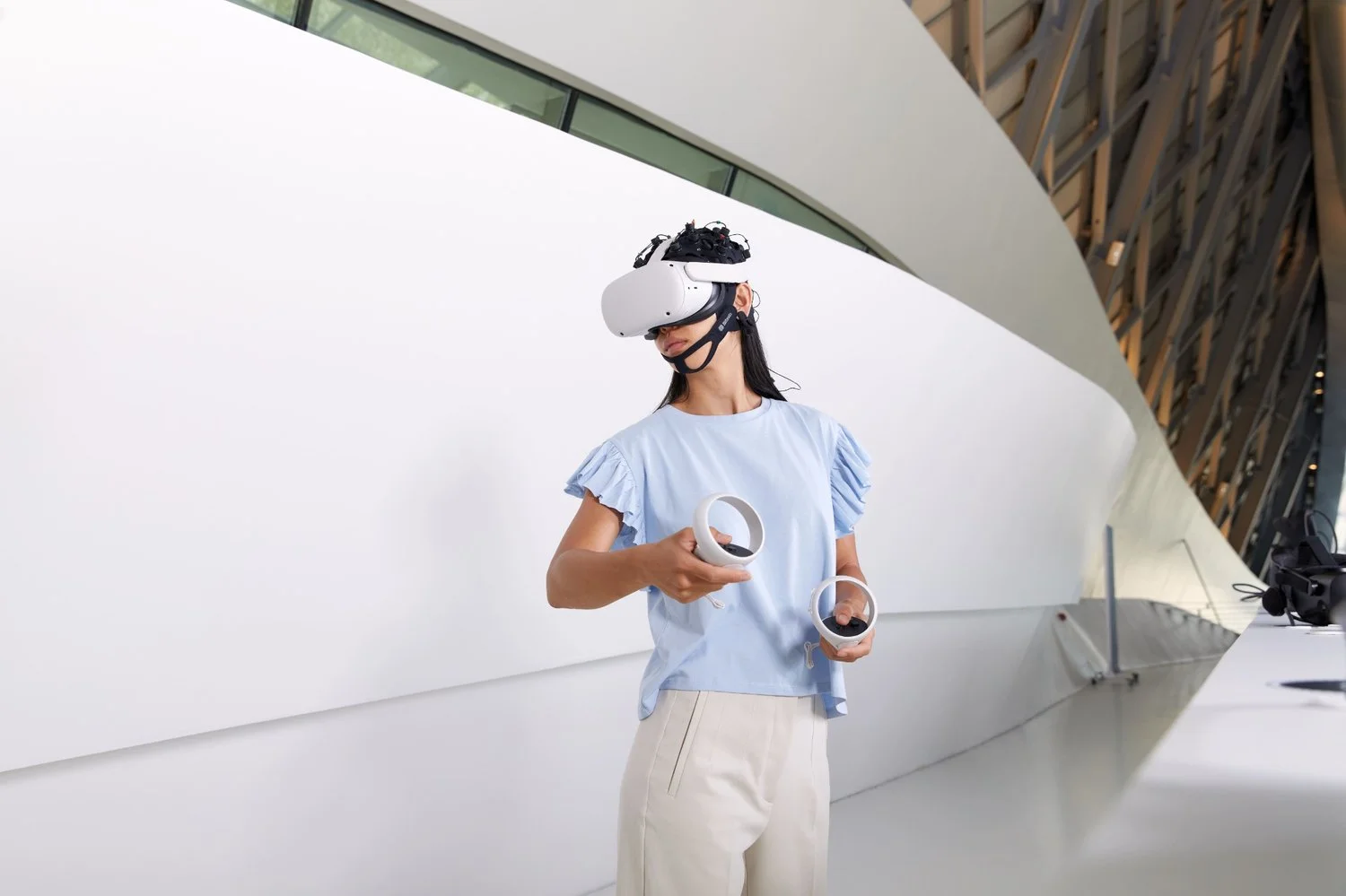
Imagine launching a game, focusing your thoughts, and watching your character move — without touching a keyboard, controller, or screen. Brain-computer interface (BCI) gaming is transforming this once-fictional idea into a real technological frontier. By translating brain signals into digital commands, BCI technology promises to redefine how players interact with virtual worlds and may ultimately reshape the entire gaming experience.
What Is Brain-Computer Interface Gaming?
Brain-computer interfaces connect neural activity to computer systems using sensors that read electrical signals from the brain. Most gaming-focused BCIs rely on electroencephalography (EEG), where a wearable headset detects patterns linked to concentration, relaxation, or specific intentions. Software interprets those signals and converts them into in-game actions — from moving a character to activating abilities or navigating menus.

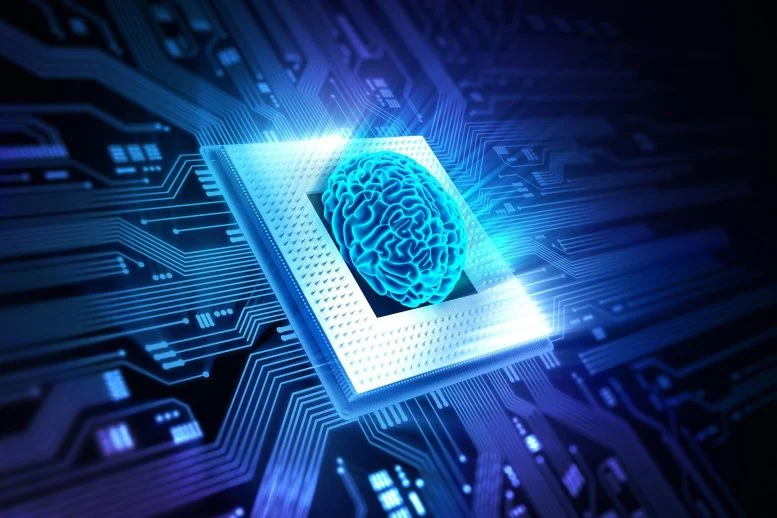
Instead of pressing a button to jump, players might simply imagine the action or shift their focus. This technology allows gaming to move beyond physical controls into a space where mental input becomes the primary interface.
How It Works in Real Gameplay
Current BCI gaming systems use headsets equipped with sensors placed around the scalp. When players think about certain movements or maintain specific mental states, the system reads those signals and translates them into commands. Some early games focus on simple mechanics, such as moving objects with concentration or controlling puzzles through attention levels.
Companies like Neuralink and OpenBCI are pushing forward neural technology research. While many of their developments extend beyond gaming — including healthcare and accessibility — the innovations they pioneer are influencing how game developers imagine future interactive experiences.
Why Gamers Are Excited
One of the biggest appeals of BCI gaming is immersion. Instead of being separated from the virtual world by physical devices, players engage more directly with the game. This could lead to faster reactions, deeper emotional connections, and entirely new gameplay styles.
Accessibility is another major advantage. For players with limited mobility or disabilities, BCI technology may offer a way to play games without traditional controllers. By relying on mental input rather than physical movement, gaming becomes more inclusive and open to a wider audience.
BCI systems also encourage new genres. Developers could design games based on emotional states, mindfulness, or mental challenges — experiences that blend entertainment with cognitive training or relaxation.
Challenges and Limitations
Despite its exciting potential, BCI gaming still faces several challenges. Accuracy is one of the biggest obstacles. Brain signals are complex and vary widely from person to person, which means systems must learn to interpret individual patterns reliably. Training periods are often required before players can use BCIs effectively.
Hardware comfort and affordability are also concerns. Current headsets may feel bulky or require precise setup, which can discourage casual users. Additionally, ensuring privacy and ethical use of neural data is critical as technology becomes more advanced.
Developers must also rethink traditional game design. Creating engaging experiences that rely on mental input requires a shift away from button-based mechanics toward entirely new interaction models.
The Future of Thought-Driven Play
As technology evolves, BCI gaming could expand far beyond simple commands. Future systems might detect emotional responses in real time, allowing games to adjust difficulty or storylines based on how players feel. Multiplayer games could incorporate shared neural feedback, enabling new forms of communication between teammates.
Imagine horror games that react to your fear levels or strategy games that respond to how intensely you focus. Even educational and fitness games could use BCIs to help players improve memory, concentration, or mental well-being while having fun.


Advancements in artificial intelligence will likely play a major role in refining neural signal interpretation, making controls more precise and natural. As devices become smaller and more affordable, BCI gaming may shift from experimental novelty to mainstream entertainment.
A New Era of Interaction
Brain-computer interface gaming represents a bold step toward a future where technology responds directly to human thought. While traditional controllers aren’t disappearing anytime soon, BCIs open the door to a new dimension of interactivity — one where imagination becomes a literal game mechanic.
For gamers, developers, and tech enthusiasts alike, the idea of playing with your thoughts is more than a futuristic concept. It’s a glimpse into how digital experiences may evolve as human creativity meets advanced neuroscience. And as innovation continues, the line between mind and machine may become one of the most exciting frontiers in gaming history.


