









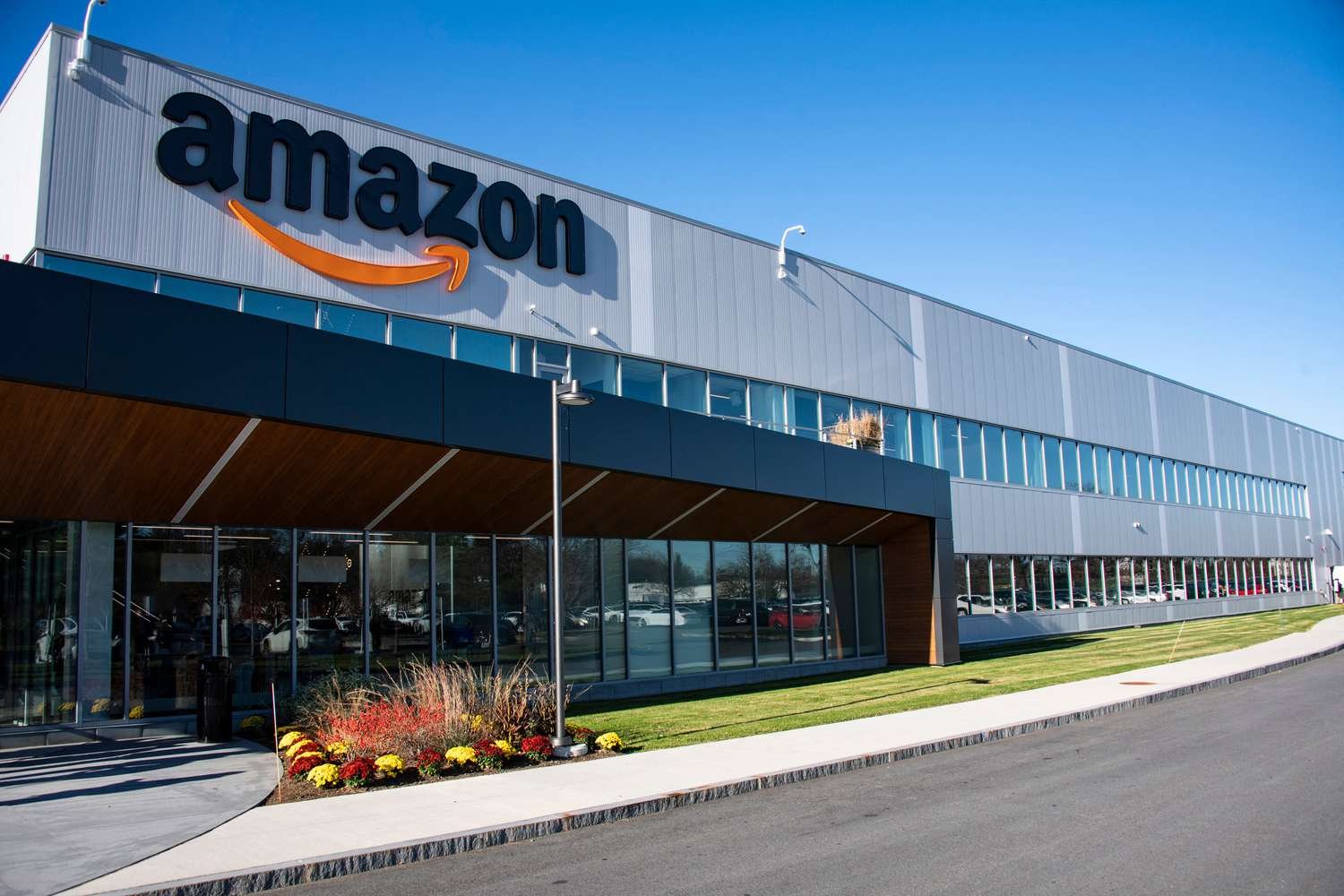
In the modern world, few companies have transformed everyday life as dramatically as Amazon. Founded in 1994 by Jeff Bezos as an online bookstore, Amazon has evolved into a global e-commerce powerhouse, redefining how consumers shop, how businesses operate, and how technology integrates into daily life. From small-town households to multinational corporations, Amazon’s reach is vast, and its impact on the retail landscape is undeniable.
The Evolution of Amazon
Amazon’s story began humbly in Bezos’ garage in Seattle, but its vision was ambitious: to create an online marketplace where customers could find anything they wanted, conveniently and efficiently. The company quickly expanded beyond books, diversifying into electronics, apparel, and household goods.
By 2005, Amazon introduced Amazon Prime, a membership program offering fast shipping, exclusive deals, and later, access to digital content such as movies, music, and e-books. Prime became a cornerstone of Amazon’s strategy, ensuring customer loyalty while creating a recurring revenue stream.

Over the years, Amazon has also innovated in logistics, pioneering same-day and two-day shipping, and establishing a network of warehouses and fulfillment centers worldwide. Its ability to deliver speed and reliability has set a new standard for online shopping, influencing consumer expectations globally.
Technology at the Heart of Amazon
At the core of Amazon’s success is cutting-edge technology. Its advanced algorithms power personalized recommendations, making it easy for customers to discover products they might like based on past purchases or browsing history. This data-driven approach enhances user experience and drives sales, creating a seamless interaction between consumers and the platform.
Amazon Web Services (AWS), the company’s cloud computing division, is another major technological achievement. AWS provides infrastructure for countless businesses, from startups to Fortune 500 companies, and has become one of Amazon’s most profitable segments. The innovation behind AWS demonstrates Amazon’s ability not only to serve consumers but also to lead in enterprise technology solutions.
Additionally, Amazon has embraced AI and robotics in its operations. Fulfillment centers use autonomous robots to move inventory efficiently, and AI-driven systems predict product demand, optimize supply chains, and improve delivery accuracy. These innovations have made Amazon a leader in both retail and technological innovation.
Impact on Retail and Consumer Behavior
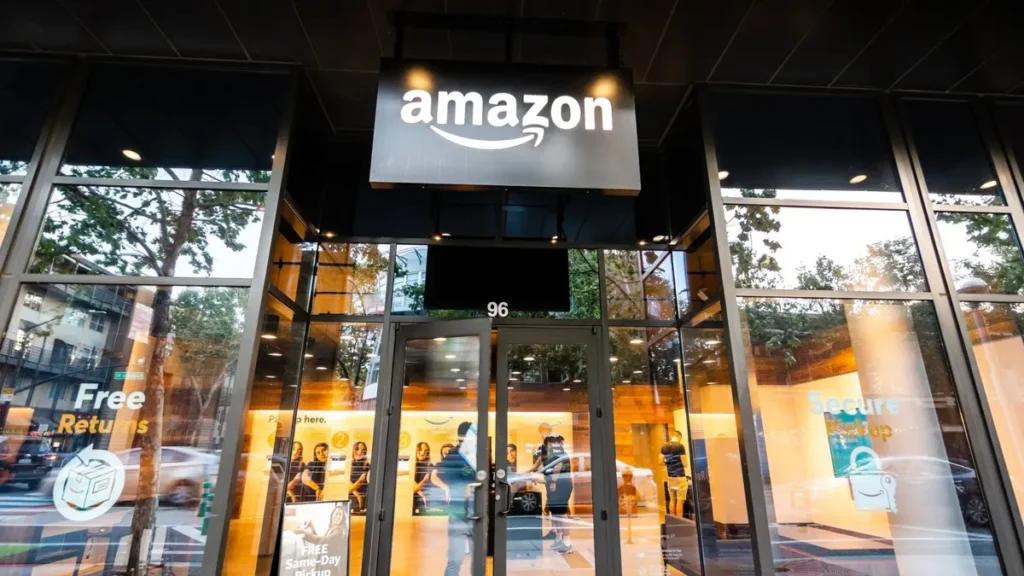
Amazon has redefined consumer behavior in profound ways. Traditional retail has faced immense pressure as online shopping grew more convenient and efficient. Consumers now expect fast shipping, easy returns, and a wide selection of products, which has become the norm largely due to Amazon’s influence.
Small businesses also benefit from Amazon’s platform, which allows them to reach a global audience without the need for physical storefronts. Marketplaces like Amazon Marketplace and Fulfilled by Amazon (FBA) have enabled entrepreneurs to scale their businesses rapidly, leveraging Amazon’s logistics and brand credibility.
However, this growth has also sparked criticism. Some argue that Amazon’s dominance can squeeze smaller retailers and drive pricing pressure, raising concerns about monopolistic behavior. Balancing innovation and competition remains a challenge for both regulators and the company itself.
Amazon’s Foray into Digital Media and Entertainment
Amazon is not just a retailer; it is also a media powerhouse. Amazon Studios produces award-winning films and series, while Amazon Prime Video competes with Netflix, Disney+, and other streaming services. With its investments in content, Amazon has shifted from being solely a shopping platform to a comprehensive digital ecosystem where entertainment and commerce intersect.
Additionally, devices like Kindle e-readers, Fire tablets, and Alexa-enabled smart speakers have further integrated Amazon into the everyday lives of millions, blending technology, convenience, and lifestyle. Alexa, in particular, demonstrates Amazon’s push into voice-driven commerce, allowing users to shop, play media, and manage tasks using voice commands.
Sustainability and Corporate Responsibility
In recent years, Amazon has faced scrutiny over environmental and labor practices. In response, the company has launched initiatives like the Climate Pledge, aiming for net-zero carbon by 2040, and invested in renewable energy projects and electric delivery vehicles. Amazon is also focusing on improving working conditions in its warehouses, increasing transparency, and offering employee development programs.
While challenges remain, these efforts reflect Amazon’s recognition that sustainability and social responsibility are increasingly important to consumers, investors, and employees alike.
The Future of Amazon
Looking ahead, Amazon shows no signs of slowing down. From experimenting with drone deliveries to expanding into healthcare, grocery (with Amazon Fresh), and financial services, the company continues to explore new markets and technologies. Its influence on e-commerce, logistics, cloud computing, and entertainment ensures that it will remain a central player in shaping the future of shopping and digital life.
Conclusion
Amazon is more than an online marketplace; it is a technological, logistical, and cultural phenomenon. Its journey from a small online bookstore to a global powerhouse illustrates the power of innovation, customer focus, and adaptability. While it faces challenges around competition, regulation, and sustainability, its ability to redefine industries and consumer expectations makes Amazon a model of modern enterprise.
Whether you are a shopper, entrepreneur, or tech enthusiast, understanding Amazon’s reach and influence provides insight into the digital economy and the future of global commerce. In the world of online retail, Amazon isn’t just leading — it is shaping the very landscape of how we live, work, and shop.


