







When it comes to software that fuels creativity, design, and digital experiences, one name dominates the industry—Adobe. Known for its iconic tools like Photoshop, Illustrator, and Acrobat, Adobe has evolved far beyond desktop publishing. Today, it stands as a leader in creative software, digital marketing, artificial intelligence, and cloud solutions, shaping how businesses and individuals create, share, and experience digital content.
A Legacy of Creativity


Founded in 1982, Adobe quickly became synonymous with digital design and publishing. Its PostScript technology revolutionized desktop publishing, enabling high-quality digital printing. Soon after, Adobe introduced Photoshop in 1990, which transformed photography, advertising, and media forever. Over time, tools like Illustrator for vector graphics and Premiere Pro for video editing solidified Adobe as the go-to brand for creative professionals.
The Creative Cloud Ecosystem
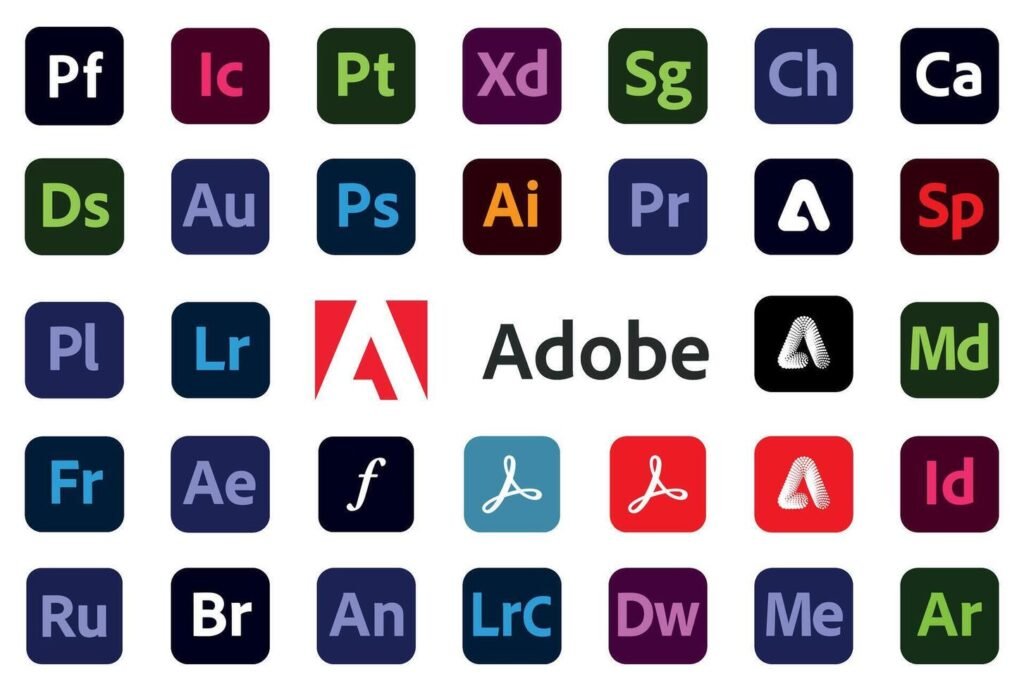
In 2013, Adobe made a bold move by shifting from one-time software purchases to a subscription-based model called Adobe Creative Cloud. This decision was controversial at first but proved visionary. With Creative Cloud, users now have access to over 20 applications, including InDesign, After Effects, and Lightroom, along with cloud storage and collaboration tools.
This ecosystem allows seamless integration across devices. For instance, a designer can start a project on Photoshop on their desktop, refine it on an iPad using Fresco, and share it instantly via Adobe Express. The subscription model also ensures users always have the latest updates and features, keeping Adobe tools at the cutting edge of technology.
AI and the Future of Creativity
Adobe has also embraced artificial intelligence with its AI engine, Adobe Sensei. Sensei powers intelligent features across Adobe apps, such as auto-tagging images, enhancing photos, removing backgrounds, and even suggesting design layouts. For video editors, AI can automate tasks like color correction and scene transitions, saving hours of manual work.
Recently, Adobe has also stepped into generative AI with Firefly, a tool that lets creators generate images, text effects, and even design variations simply by typing prompts. Unlike other generative AI tools, Firefly is trained on Adobe’s own library and licensed content, ensuring outputs are safe for commercial use. This development has further cemented Adobe’s role in blending creativity with ethical AI.
Digital Experiences Beyond Design
Adobe is not just about creative professionals anymore. Through its Adobe Experience Cloud, the company provides tools for businesses to manage marketing, analytics, and customer experience. Brands can use Adobe tools to personalize digital content, run targeted campaigns, and analyze consumer behavior in real time.
For example, when you see a personalized ad or a tailored email campaign, chances are it was powered by Adobe Experience Cloud. This shows how Adobe has expanded from creative software into the core of digital business strategy.
Accessibility and Democratization of Design
Adobe is also working to make creativity more accessible. With Adobe Express, even beginners can design posters, social media posts, or presentations without deep technical skills. Templates, drag-and-drop features, and AI assistance empower anyone to create professional-quality content.
This democratization of design means creativity is no longer limited to professionals—it’s for students, entrepreneurs, educators, and everyday users.
Commitment to Sustainability
Beyond innovation, Adobe emphasizes corporate responsibility. The company has pledged to reach 100% renewable energy and net-zero carbon emissions by 2050. Its digital solutions also help reduce paper waste, with PDF and e-signature tools eliminating the need for physical documents in businesses worldwide.
Why Adobe Matters in 2025 and Beyond
Adobe’s importance lies in its adaptability. From the printing revolution to AI-driven creativity, Adobe has consistently evolved while keeping creativity at its core. As the demand for digital content skyrockets—whether for social media, e-commerce, or virtual reality—Adobe remains the trusted partner for both individuals and enterprises.

By combining innovation, accessibility, and sustainability, Adobe is not just powering today’s creativity but also shaping the future of how humans will express themselves digitally.
Conclusion
Adobe’s journey from a small software company to a global leader in creativity and digital experiences is a story of vision and reinvention. Whether you’re a photographer editing a masterpiece, a student designing a project, or a business optimizing customer experiences, Adobe provides the tools to bring ideas to life.
In a world increasingly defined by digital communication and creativity, Adobe continues to prove that it’s not just a software company—it’s the engine driving how we imagine, design, and connect with the world.


