



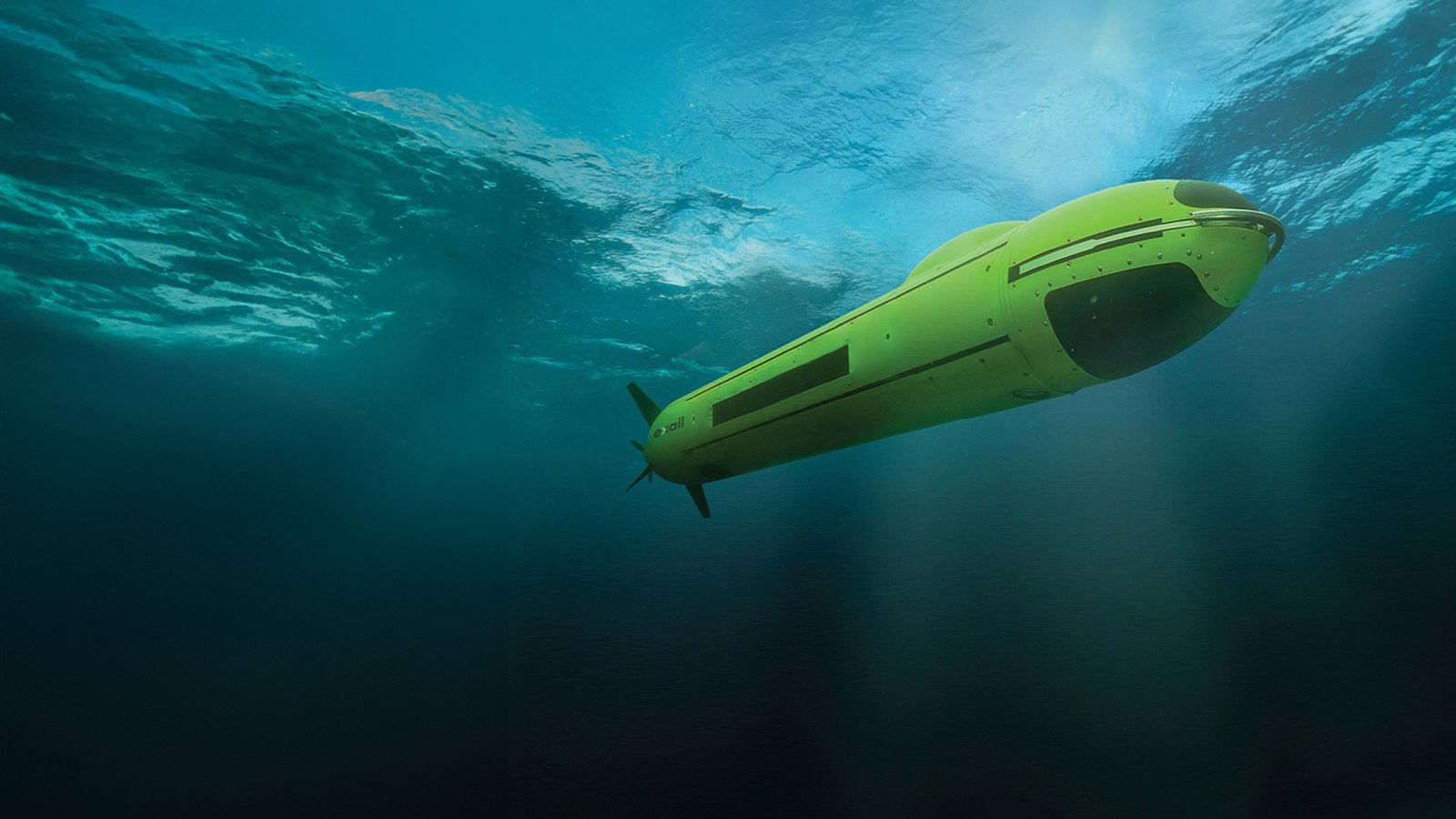
Far below the ocean’s shimmering surface lies one of Earth’s most powerful climate allies. The ocean absorbs nearly a quarter of the carbon dioxide humans release into the atmosphere each year. Yet much of its carbon storage potential remains poorly understood. Now, underwater drones are diving deeper than ever before, revealing how vast and complex the ocean’s carbon system truly is.
These robotic explorers — often called autonomous underwater vehicles (AUVs) — are transforming marine science. Unlike traditional research vessels that rely on surface measurements or limited sampling, drones can travel hundreds of meters below, collecting real-time data across wide areas. Equipped with advanced sensors, cameras, and sampling tools, they help scientists track carbon flows in ways that were once impossible.
The Ocean’s Hidden Carbon Engine
The ocean stores carbon through two primary processes: physical absorption and biological activity. On the surface, carbon dioxide dissolves into seawater. Currents then transport this carbon-rich water into deeper layers, where it can remain trapped for decades or even centuries.
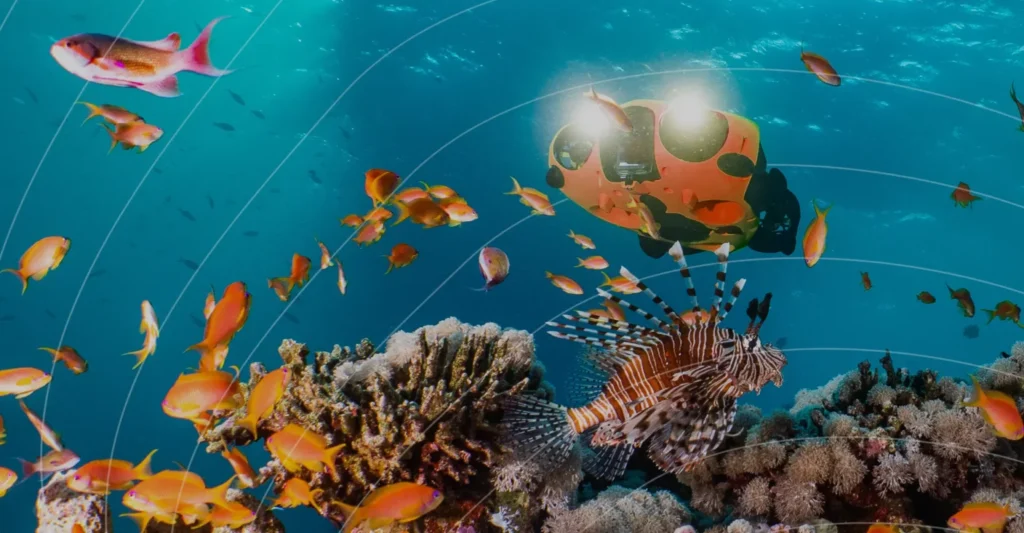
But an equally important mechanism lies in what scientists call the “biological pump.” Microscopic marine organisms, such as phytoplankton, absorb carbon during photosynthesis. When these organisms die or are consumed, carbon-rich particles sink toward the ocean floor, effectively removing carbon from the atmosphere.
Understanding how efficiently this biological pump works is critical for climate modeling. And this is where underwater drones are making a significant impact.
Robotic Eyes in the Deep
Institutions like Woods Hole Oceanographic Institution and NOAA are deploying fleets of underwater drones to study carbon cycles in unprecedented detail.
These drones can operate in extreme conditions — navigating cold, dark depths where human divers cannot go. They measure dissolved carbon levels, oxygen concentrations, temperature, and salinity. Some even collect water samples to analyze microscopic organisms responsible for carbon capture.
By mapping carbon distribution across different ocean layers, researchers are discovering that certain regions may store far more carbon than previously estimated. Deep-sea sediments, coastal ecosystems, and even coral reef systems contribute to long-term carbon sequestration.
Blue Carbon Ecosystems
Beyond the open ocean, underwater drones are also exploring “blue carbon” habitats — coastal ecosystems such as mangroves, seagrasses, and salt marshes. These environments can store carbon at rates significantly higher than terrestrial forests.
Seagrass meadows, for example, trap carbon in underwater soils for thousands of years. Yet these habitats are vulnerable to pollution and climate change. Drone surveys help monitor their health and measure how much carbon they capture and retain.
The more accurately scientists can quantify this storage, the better policymakers can integrate ocean-based solutions into climate strategies.
A Tool for Climate Solutions
The data gathered by underwater drones feeds directly into global climate models. Improved understanding of ocean carbon storage helps refine predictions about future warming and informs carbon offset initiatives.
There is growing interest in enhancing natural ocean processes to increase carbon storage, but such efforts require careful monitoring to avoid ecological harm. Drones provide a safe and scalable way to track the impacts of any interventions.
Additionally, underwater robotics reduce the cost and environmental footprint of traditional research expeditions. Instead of large ships burning fuel for extended periods, smaller autonomous systems can collect continuous data over months.
Challenges Beneath the Waves
Despite their promise, underwater drones face limitations. Harsh ocean conditions, battery constraints, and communication challenges in deep water require constant technological innovation. Interpreting massive volumes of collected data also demands advanced computing and collaboration among global research teams.
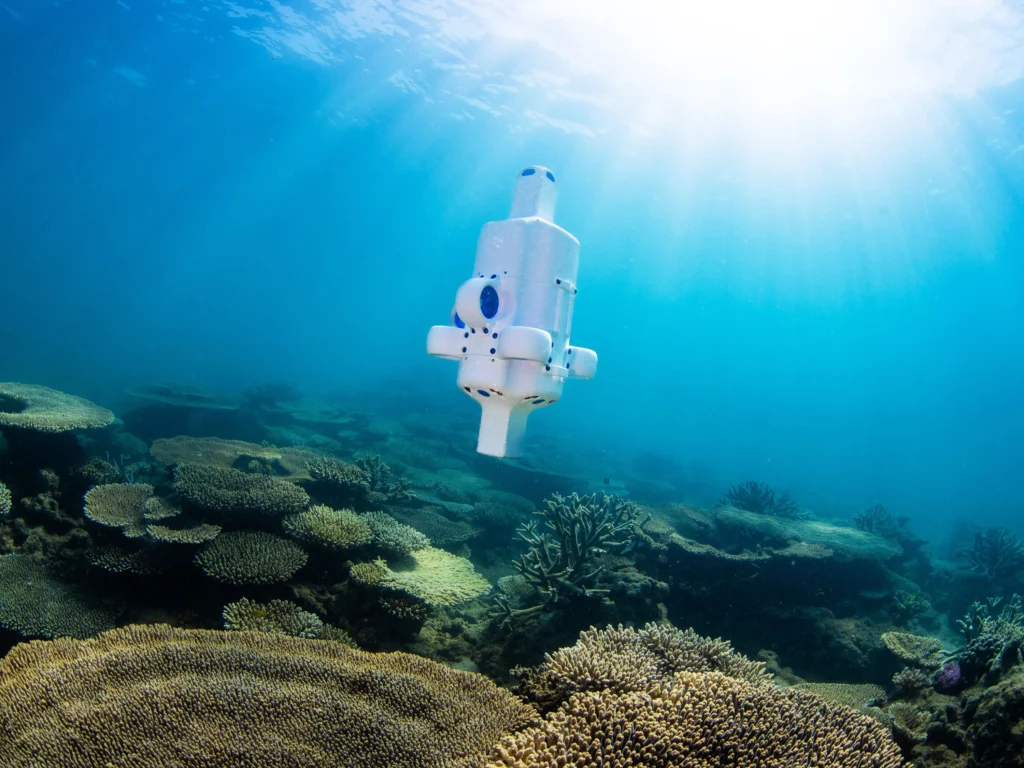
Yet progress is accelerating. Advances in artificial intelligence allow drones to adjust routes dynamically based on environmental conditions, making data collection more efficient and targeted.
A Climate Ally in the Deep
The ocean has long buffered humanity from the worst impacts of climate change by absorbing excess carbon and heat. But as emissions continue, understanding its limits becomes urgent.
Underwater drones are illuminating a hidden world — one where microscopic organisms, deep currents, and coastal ecosystems quietly perform climate-critical work. By revealing how much carbon the ocean can store, and for how long, these robotic explorers are helping shape more informed and effective climate solutions.
Beneath rolling waves and shifting tides lies immense potential. Thanks to underwater drones, the ocean’s role in safeguarding our planet is no longer a mystery sinking into the depths — it is a story rising to the surface, powered by innovation and discovery.
