




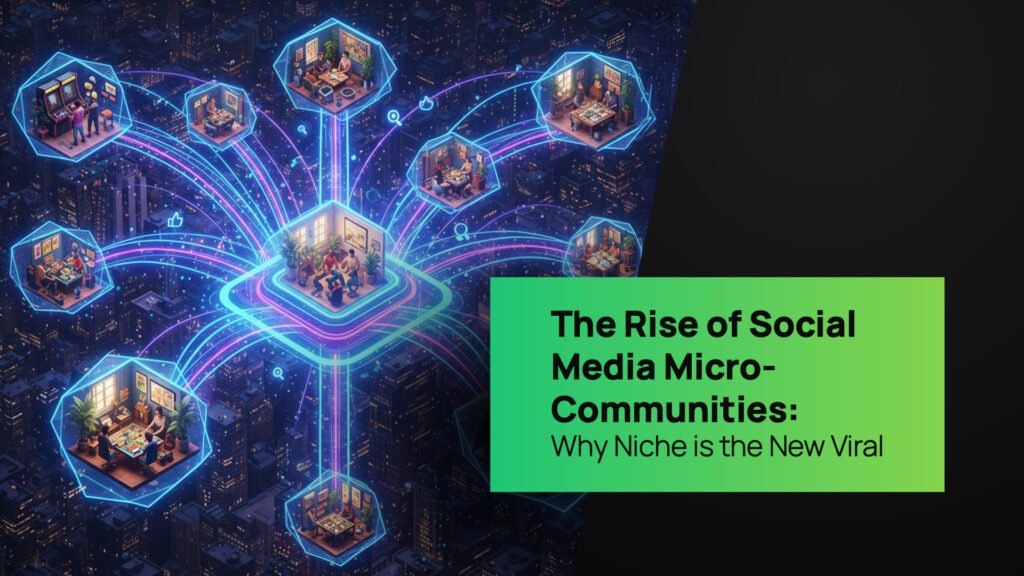
For years, major social media platforms dominated the digital landscape, encouraging users to share content with massive audiences. But a new shift is underway. Instead of chasing viral reach or endless scrolling, many people are moving toward micro-communities and niche platforms—smaller, focused online spaces built around shared interests, identities, or goals. These communities are redefining how people connect online, prioritizing authenticity, meaningful conversations, and a sense of belonging over sheer popularity.
Micro-communities are typically smaller groups formed around specific topics such as fitness challenges, creative hobbies, professional networks, gaming fandoms, or local interests. Unlike traditional social networks where users broadcast content to thousands of followers, these spaces encourage deeper interaction among members who share common passions. Niche platforms, on the other hand, are dedicated digital ecosystems designed to serve particular communities—such as book lovers, remote workers, artists, or tech enthusiasts—offering tools tailored to their needs.

One major reason for the rise of these communities is growing social media fatigue. Many users feel overwhelmed by crowded feeds, algorithm-driven content, and the pressure to maintain a public online image. Micro-communities provide a refreshing alternative by creating environments where people can engage without feeling lost in a sea of anonymous users. Conversations often feel more personal, supportive, and relevant, leading to stronger digital relationships.
Privacy and safety are also important factors. Smaller platforms often offer controlled access, moderated discussions, and clearer community guidelines. Members may need invitations or approvals to join, which helps reduce spam and toxic behavior. As concerns about online harassment and misinformation continue to grow, people are increasingly seeking spaces where they feel comfortable sharing ideas and personal experiences without fear of judgment.
Another advantage of niche platforms is their ability to foster genuine expertise and collaboration. In large networks, valuable information can easily get buried beneath trending posts or viral content. Micro-communities allow members to focus on detailed discussions, ask specific questions, and share specialized knowledge. For example, entrepreneurs can exchange business advice, photographers can critique each other’s work, and language learners can practice conversation in focused environments. The result is often a more productive and educational online experience.
The growth of the creator economy has also fueled this trend. Many creators are moving away from large social platforms to build dedicated communities where they can interact directly with their audiences. Subscription-based forums, private chat groups, and community apps allow creators to offer exclusive content, host discussions, and develop closer relationships with fans. These smaller spaces often generate more meaningful engagement compared to traditional comment sections or public feeds.
Technology itself is evolving to support this shift. Messaging platforms, community management tools, and specialized apps now make it easier than ever to create and manage niche groups. Features such as live discussions, collaborative projects, and virtual events help strengthen bonds among members. Artificial intelligence is also helping moderate communities and recommend relevant groups based on user interests, making it easier to find the right digital space.
Despite their benefits, micro-communities come with challenges. Smaller platforms may struggle with growth, sustainability, or content diversity. Some users may feel isolated if they only engage within niche circles, limiting exposure to broader perspectives. Platform fragmentation can also make it harder to manage multiple communities across different apps. However, many people view these trade-offs as worthwhile in exchange for more meaningful connections.
Looking ahead, micro-communities are likely to play an even larger role in the future of online socializing. As people seek more intentional digital experiences, they may prefer platforms that reflect their personal interests rather than generic global networks. Businesses are also beginning to recognize the value of these communities, using them for targeted marketing, customer engagement, and feedback gathering.
Ultimately, the rise of micro-communities and niche platforms reflects a deeper change in how people want to connect online. Instead of broadcasting to massive audiences, users are seeking smaller circles where conversations feel authentic and relationships feel real. By prioritizing quality over quantity, these focused digital spaces are shaping a new era of socializing—one built on shared interests, meaningful interaction, and genuine human connection in the digital age.
