



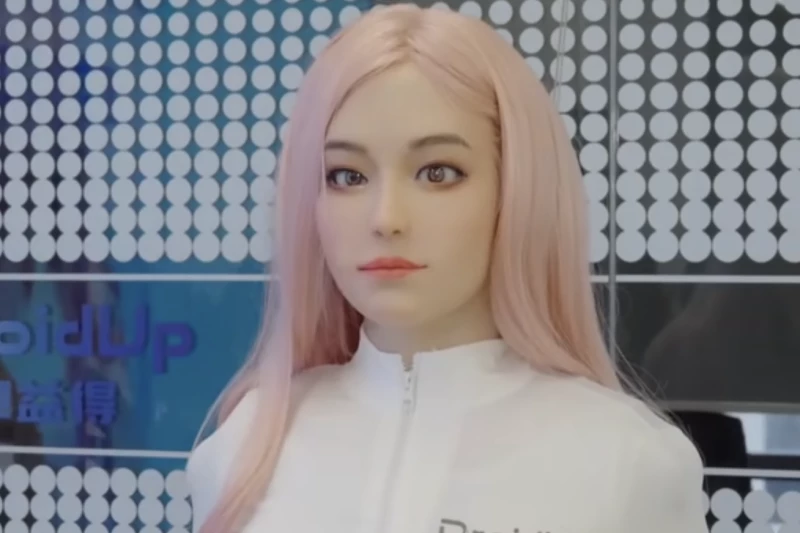
The world of robotics has taken another fascinating leap forward with the introduction of Moya, a life-like humanoid robot from China that can walk, wink, and smile with striking human-like expressions. Designed to replicate natural movements and emotional cues, Moya represents a new era where machines are not only functional but also socially interactive. As robotics technology advances rapidly, creations like Moya are pushing boundaries and sparking conversations about the future of human-robot relationships.
At first glance, Moya’s appearance feels almost indistinguishable from that of a real person. Engineers focused on crafting realistic facial features, smooth skin textures, and natural body proportions. Unlike earlier robots that moved stiffly or appeared mechanical, Moya demonstrates fluid gestures that mimic human motion. Its ability to blink, smile, and maintain eye contact gives it a presence that feels surprisingly familiar. These human-like details are not just for show—they are part of a broader effort to make robots more approachable and emotionally engaging.
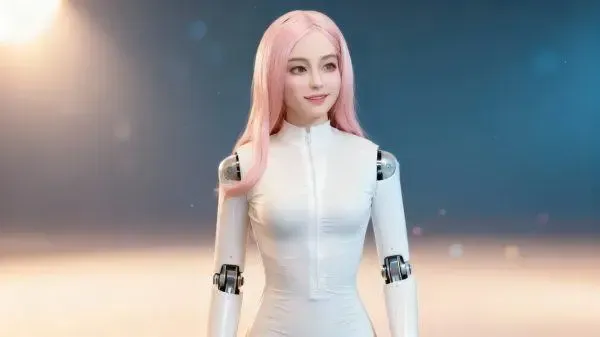
One of Moya’s most impressive features is its advanced movement system. The robot is capable of walking with balance and coordination, adjusting its posture as it interacts with people or navigates its environment. Sophisticated sensors and AI-driven algorithms help it maintain stability while responding to real-time changes around it. This dynamic mobility makes Moya suitable for roles that require physical interaction, such as greeting visitors, assisting customers, or participating in public exhibitions.
Beyond physical movement, Moya is equipped with artificial intelligence designed to recognize voices, interpret facial expressions, and respond conversationally. Through natural language processing, it can engage in simple conversations, answer questions, and react appropriately to emotional cues. For example, if someone smiles or laughs, Moya can mirror those expressions to create a more natural interaction. This emotional responsiveness is a major step toward robots that feel less like machines and more like companions or assistants.
The creation of Moya also reflects China’s growing leadership in robotics and AI innovation. Research teams and technology companies in the region are investing heavily in humanoid robots, aiming to develop machines that can work alongside humans in healthcare, hospitality, education, and entertainment. Moya demonstrates how advanced robotics can merge engineering precision with human-centered design, creating technology that feels more intuitive and relatable.
Potential applications for humanoid robots like Moya are wide-ranging. In customer service settings, a robot capable of friendly expressions and clear communication could welcome guests or provide information in busy public spaces. In healthcare, humanoid assistants might help elderly individuals with daily routines or provide companionship. Educational institutions may also use interactive robots to engage students in learning through demonstrations and conversations. While these possibilities are still evolving, Moya offers a glimpse into how robots could become part of everyday social environments.
However, the rise of hyper-realistic robots also raises important questions. Some people feel fascinated and excited by lifelike machines, while others experience discomfort due to the “uncanny valley” effect—the feeling of unease when a robot looks almost human but not quite. Ethical concerns about privacy, emotional attachment, and the impact of automation on employment are also part of the broader conversation surrounding humanoid robotics. Developers must carefully balance innovation with responsible design and transparency to ensure that these technologies benefit society.
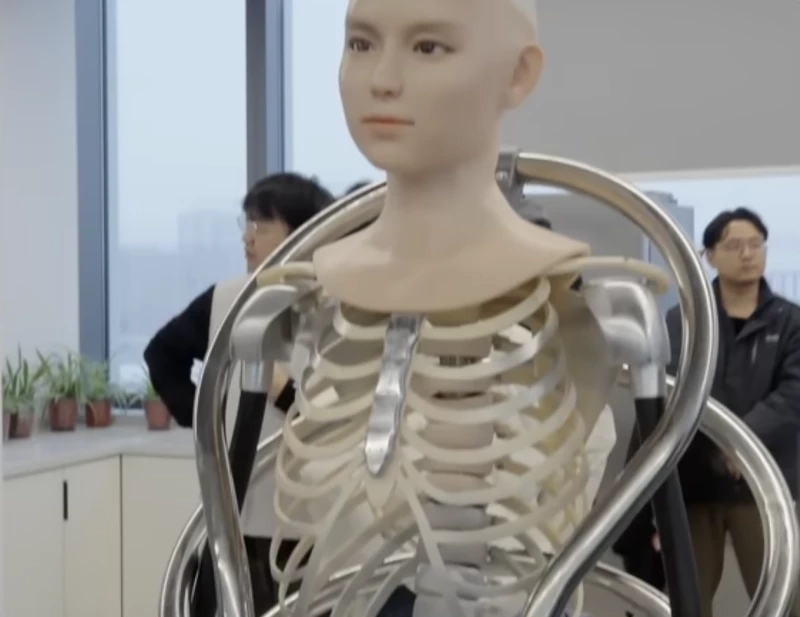
Despite these challenges, Moya represents a milestone in how robotics is evolving from purely functional machines to socially interactive entities. Its realistic gestures, expressive face, and conversational abilities showcase how far AI and robotics have come in recent years. As engineers continue refining technology, future humanoid robots may become even more adaptable, emotionally aware, and capable of supporting human activities.
In the end, Moya is more than just a technological novelty—it is a symbol of how machines are becoming increasingly integrated into human experiences. By combining advanced engineering with human-like expressions, this innovative robot offers a glimpse into a future where the line between technology and humanity continues to blur. Whether assisting in public spaces, supporting healthcare, or simply sparking curiosity, Moya stands as a reminder that the next generation of robots is designed not only to work but also to connect.
