



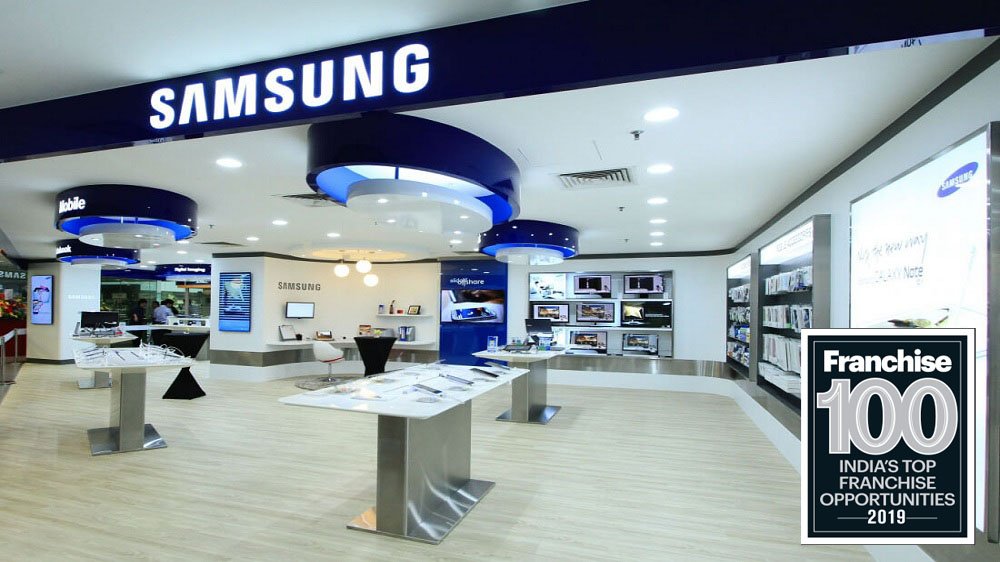
Samsung is one of the most recognizable technology brands in the world, known for everything from smartphones and televisions to home appliances and semiconductors. What began as a small trading company in South Korea has grown into a multinational giant that shapes modern technology trends and consumer lifestyles. Through innovation, bold design choices, and constant reinvention, Samsung has evolved into a company that influences how people connect, work, and experience entertainment.
The company’s rise to global prominence is rooted in its ability to diversify. While many people associate Samsung primarily with its Galaxy smartphones, the brand’s influence extends far beyond mobile devices. Samsung produces cutting-edge televisions, refrigerators, washing machines, laptops, tablets, and wearable technology. Behind the scenes, it is also one of the world’s leading semiconductor manufacturers, producing chips that power devices from various tech companies. This wide-ranging portfolio has allowed Samsung to stay resilient and competitive in an ever-changing market.

Samsung’s smartphone journey has been particularly significant. The Galaxy series helped redefine the Android ecosystem by offering premium designs, advanced cameras, and powerful processors. Features like foldable displays, high-refresh-rate screens, and stylus functionality in certain models have pushed innovation forward. By consistently experimenting with new technology, Samsung has maintained a strong presence in a highly competitive smartphone industry dominated by a few major players.
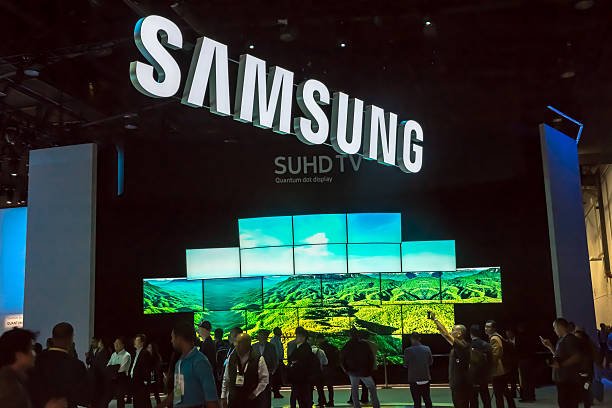
Another area where Samsung has made a lasting impact is display technology. The company is a pioneer in OLED and QLED screen innovation, producing some of the most vibrant and energy-efficient displays on the market. Its televisions are known for their sleek aesthetics, immersive viewing experiences, and smart features that integrate streaming services and voice assistants. Beyond consumer electronics, Samsung’s display technology is used in smartphones, automotive dashboards, and even virtual reality systems.
In the home appliance sector, Samsung has embraced the concept of smart living. Refrigerators with touchscreens, washing machines connected to mobile apps, and AI-powered home devices are all part of its vision for a connected household. Through its SmartThings platform, users can control multiple devices from a single app, creating an ecosystem where appliances communicate seamlessly. This focus on convenience and automation reflects broader trends toward smart homes and the Internet of Things.
Innovation has always been at the core of Samsung’s strategy. The company invests heavily in research and development, exploring fields such as artificial intelligence, 5G connectivity, robotics, and semiconductor manufacturing. Its willingness to experiment—whether through foldable smartphones or advanced memory chips—demonstrates a commitment to staying ahead of technological shifts. Even when new ideas carry risks, Samsung often embraces them as opportunities to redefine industry standards.
Design also plays a crucial role in Samsung’s success. Over the years, the company has moved toward minimalist aesthetics, slim profiles, and premium materials. Devices are not only functional but also visually appealing, reflecting consumer expectations for products that blend performance with style. This focus on design helps Samsung stand out in a crowded marketplace where hardware capabilities alone may not be enough to attract customers.
Of course, Samsung faces challenges like any global corporation. Rapid technological change, intense competition, and shifting consumer preferences require constant adaptation. The company has experienced both successes and setbacks, yet it often uses these moments to refine its products and improve future innovations. Its ability to learn from experience has been a key factor in maintaining long-term growth.
Sustainability has also become an increasingly important focus for Samsung. Efforts to reduce electronic waste, improve energy efficiency, and use eco-friendly materials demonstrate a growing awareness of environmental responsibility. Many of its newer products emphasize durability and recyclability, aligning with global conversations about responsible manufacturing and consumption.
Ultimately, Samsung’s journey from a regional business to a global technology leader reflects a blend of ambition, adaptability, and innovation. Whether through smartphones, smart homes, or groundbreaking semiconductor technology, the company continues to shape the digital landscape. As technology becomes more integrated into everyday life, Samsung’s influence is likely to remain strong, driving new ideas and experiences that redefine how people interact with the world around them.
