




In the early days of social media marketing, influencers were fresh, exciting, and seemed genuinely relatable. A sneaker brand could shoot to virality overnight when a popular creator posted a review. A lipstick shade would sell out after glowing Instagram Stories. Influencers became the new tastemakers — trusted voices guiding consumer choices in fashion, beauty, travel, tech, and beyond.
But today, something has shifted. As social platforms evolve and audiences grow more discerning, a new term has entered the marketing conversation: influencer fatigue. Consumers are increasingly questioning the authenticity of sponsored content and the real influence these creators have on purchasing behavior. People are asking a simple but powerful question: Are we finally returning to trusting real people again — not just “influencers”?
What Is Influencer Fatigue?
Influencer fatigue refers to a growing weariness among audiences toward influencer-driven marketing content. For years, brands poured money into partnerships with high-profile creators, betting that endorsement equals conversion. But over time, audiences began to notice certain patterns:
- Identical sponsored captions across multiple creators
- Repetitive product placements with no personal voice
- Influencers promoting products they clearly don’t use
- Content that feels scripted rather than authentic
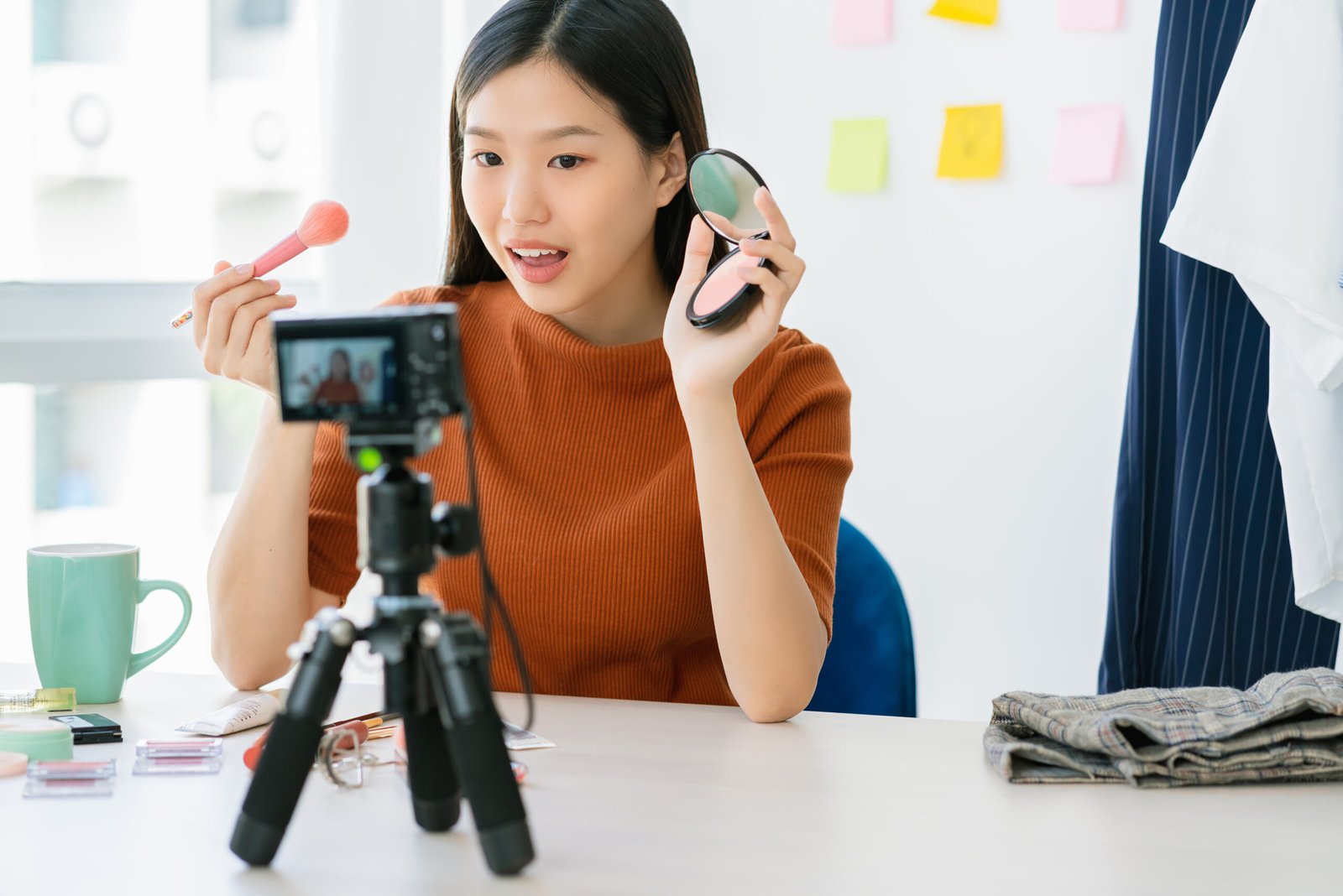
This overload of branded content has left many consumers feeling oversaturated and skeptical — not inspired. Instead of resonating, these marketing strategies began to feel transactional and predictable.
Why Consumers Are Turning Back to “Real People”
At its core, the backlash against inauthentic content comes from a desire for genuine connection. And while influencers are real people, audiences now crave voices that feel relatable, honest, and unfiltered — even if those voices don’t have millions of followers.
Here’s why that’s happening:
1. Audiences Crave Authentic Storytelling
Consumers want real experiences, not rehearsed endorsements. Rather than polished influencer ads, people are engaging more with:
- Real user reviews
- Unfiltered testimonials
- Everyday people sharing honest opinions
These forms of content feel more trustworthy because they’re not tied to a brand agenda.
2. Micro and Nano Voices Are Rising
Instead of mega-influencers with millions of followers, brands increasingly partner with micro (10K–50K followers) and nano (1K–10K) creators. Why? Because:
- Their followings are more niche
- Engagement tends to be higher
- Their audiences trust them more
Smaller creators often feel more like friends than celebrities, making their recommendations seem sincere rather than commercial.
3. User-Generated Content (UGC) Is King
TikTok, YouTube, and Instagram have exploded with user-generated content that isn’t tied to brand deals. Everyday users filming product reactions, “real haul” videos, or demo comparisons are gaining traction — and brands are paying attention. UGC feels organic because it’s created without a professional marketing agenda.
4. Consumers Are Getting Savvier
Today’s buyers are more informed, tech-literate, and skeptical than ever. They know when content is paid, and they can tell when someone’s just “reading a script.” When trust declines, influence dwindles — even if the creator is popular.
So, Are Consumers Betting on “Real People” Again?
The answer — yes, but with nuance.
While influencer culture isn’t dying, it’s evolving. Instead of mindless endorsements, audiences respond to voices that feel:
- Honest
- Transparent
- Knowledgeable
- Unfiltered
- Real
People no longer trust someone because they have a large following — they trust individuals who speak from experience and provide value.
This shift has led to a new hierarchy of trust:
| Type of Advocate | Trust Level |
|---|---|
| Celebrity Influencers | 🔸 Medium–Low |
| Paid Macro Influencers | 🔸 Medium |
| Micro/Nano Creators | 🔸 High |
| Everyday User Reviews | 🔸 Very High |
| Experts & Community Voices | 🔸 Highest |
In this landscape, authenticity trumps popularity. A creator with 5,000 followers who genuinely loves a skincare brand can have more influence than a celebrity with 5 million followers doing a sponsored ad.
What Brands Are Doing Differently Now
Smart brands are adapting by:
- Prioritizing long-term partnerships over one-off posts
- Encouraging creators to share honest feedback
- Amplifying user-generated stories
- Highlighting real customer experiences
- Creating content that feels organic, not scripted
This approach helps rebuild trust, which ultimately drives conversion.
Final Thoughts: Trust Is the New Currency
Influencer fatigue signals a turning point in digital marketing. Consumers no longer want endless product ads disguised as lifestyle inspiration. Instead, they’re reconnecting with content that feels authentic, honest, and human.
In an era of oversaturation, brands that embrace real voices — whether micro creators or everyday customers — will win not just attention, but trust.
And in today’s world, trust is everything.
